Welded pipe suppliers play a critical role in modern infrastructure, serving as the backbone for industries ranging from oil and gas to water management and construction. These suppliers provide the essential components for transporting fluids and gases safely and efficiently across vast distances. The demand for high-quality welded pipes is consistently increasing globally, driven by urbanization, population growth, and the need for more resilient infrastructure. Understanding the nuances of these suppliers – their capabilities, certifications, and supply chain logistics – is crucial for project success and long-term operational integrity.
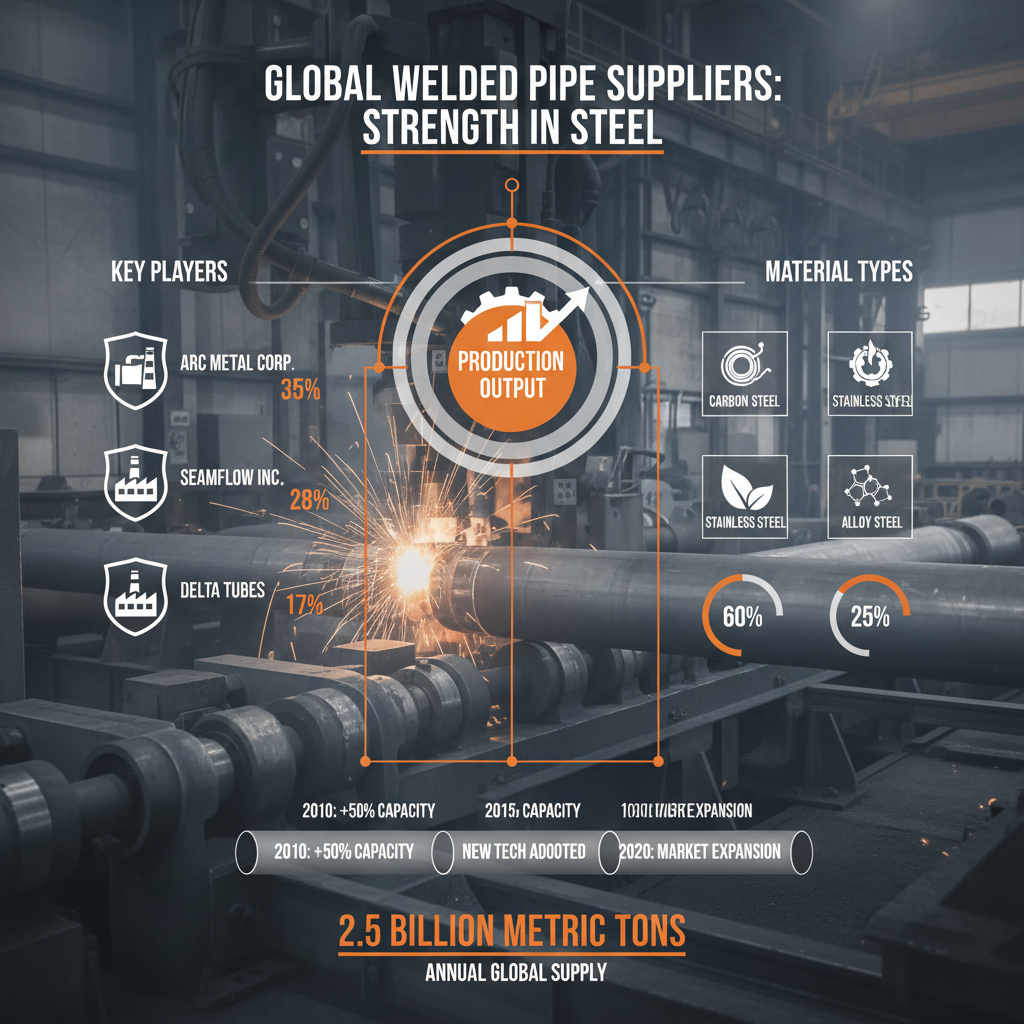
The global market for welded pipes is substantial and continually evolving. According to reports from organizations like the World Steel Association, annual steel production, a key input for welded pipes, consistently exceeds 1.8 billion tonnes, indicating a significant demand base. Increasingly stringent environmental regulations and a focus on sustainability are also shaping the industry, demanding innovative materials and manufacturing processes from welded pipe suppliers. Successfully navigating this complex landscape requires careful consideration of factors like material grade, pipe diameter, wall thickness, and the supplier’s adherence to international standards like API and ISO.
Choosing the right welded pipe suppliers isn’t merely a transactional decision; it’s a strategic investment. The quality of the pipes directly impacts the safety, reliability, and longevity of any project. A dependable supplier ensures consistent quality, timely delivery, and competitive pricing, mitigating risks and contributing to overall project efficiency. This is particularly important in critical applications where failure can have catastrophic consequences, emphasizing the vital importance of selecting experienced and reputable welded pipe suppliers.
The Importance of Welded Pipe Suppliers
The significance of sourcing from reputable welded pipe suppliers extends far beyond simply acquiring a product. It represents a commitment to safety, durability, and project success. Reliable suppliers ensure adherence to stringent quality control standards, minimizing the risk of leaks, corrosion, or structural failures – all critical concerns across various industries. The economic consequences of pipe failure can be substantial, involving costly repairs, environmental remediation, and potential downtime.
Choosing the right supplier also directly impacts project timelines and budgets. Consistent quality translates to fewer rejections and delays during installation, while efficient logistics and supply chain management guarantee timely delivery. Furthermore, a strong relationship with a knowledgeable welded pipe supplier can provide valuable technical support and guidance, optimizing pipe selection for specific application requirements and potentially reducing overall project costs.
Defining Welded Pipe Suppliers & Their Role
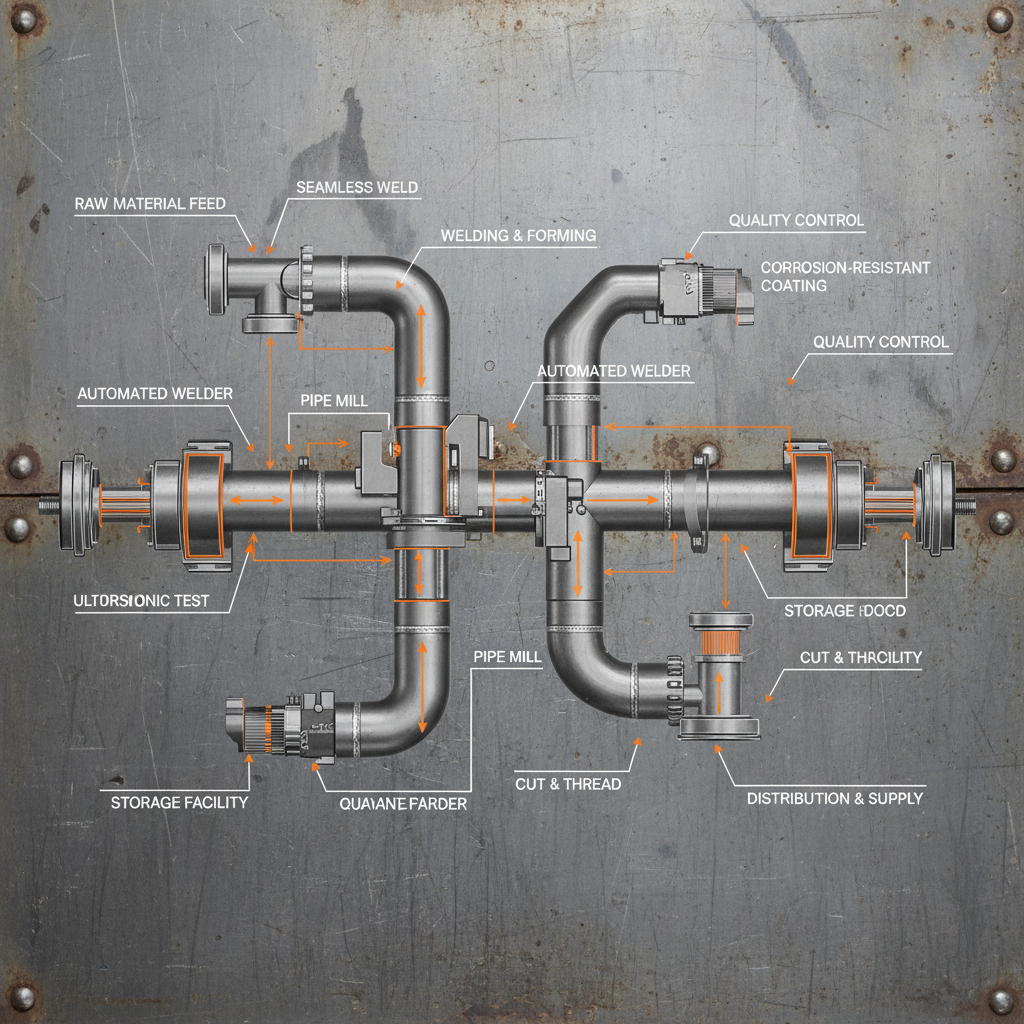
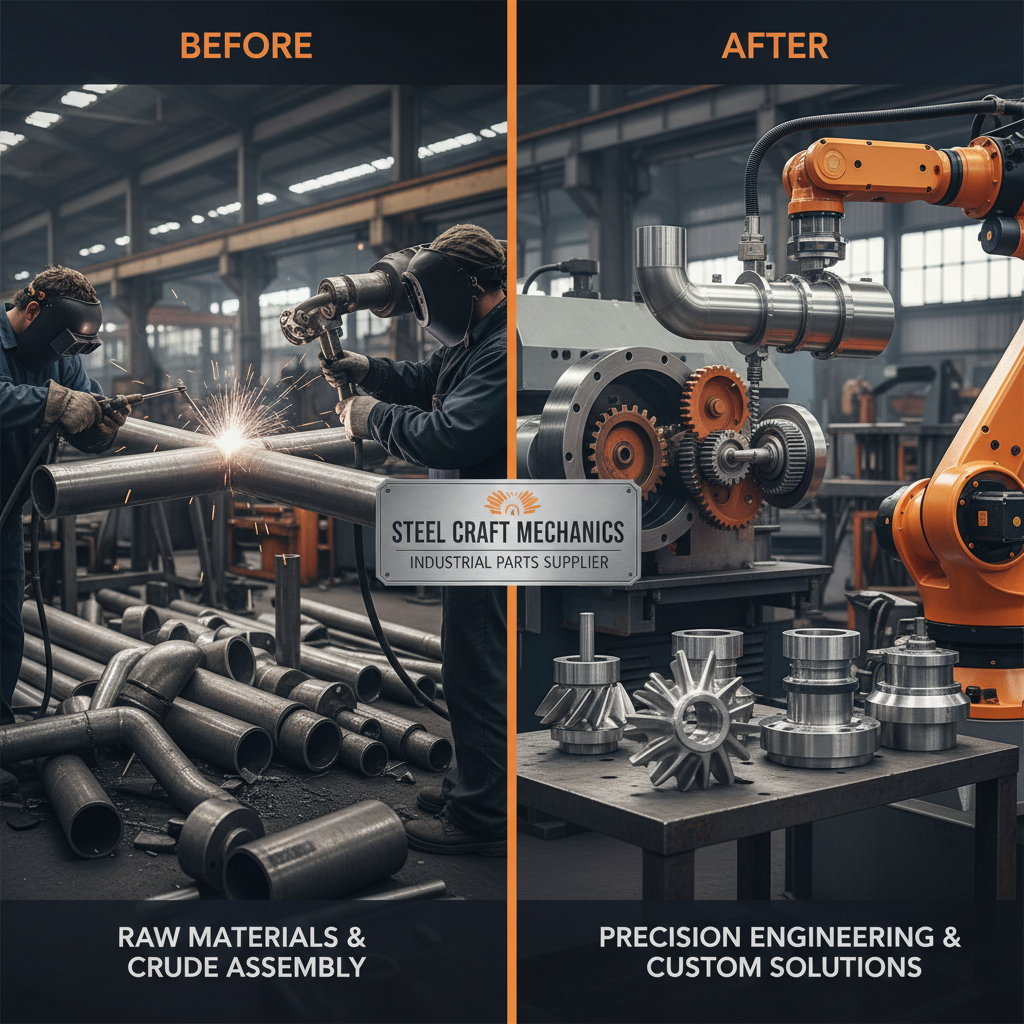
Welded pipe suppliers are companies specializing in the manufacturing, distribution, and sometimes, the fabrication of pipes created through welding processes. Unlike seamless pipes which are formed from a single piece of steel, welded pipes are constructed by rolling steel plates into cylindrical shapes and then joining the edges using various welding techniques, such as Electric Resistance Welding (ERW), Submerged Arc Welding (SAW), and Longitudinal Submerged Arc Welding (LSAW). These suppliers often offer a wide range of pipe sizes, materials (carbon steel, stainless steel, alloy steel), and coatings to meet diverse industry needs.
Their role isn’t limited to simply selling pipes. They frequently provide value-added services, including cutting, threading, bending, coating, and inspection. Many suppliers also maintain extensive inventories, enabling them to fulfill orders quickly and efficiently. The best welded pipe suppliers act as partners, collaborating with clients to understand their specific requirements and providing tailored solutions.
In essence, welded pipe suppliers bridge the gap between steel manufacturers and end-users across numerous sectors. They play a pivotal role in ensuring the safe and reliable transportation of critical resources, facilitating infrastructure development, and supporting industrial processes worldwide.
Key Characteristics of Top Welded Pipe Suppliers
Top-tier welded pipe suppliers differentiate themselves through a steadfast commitment to quality and compliance. This includes rigorous adherence to international standards such as API 5L, ASTM, and ISO 3183, ensuring that their products meet or exceed industry expectations. They employ advanced testing and inspection methods, including hydrostatic testing, ultrasonic testing, and radiographic testing, to identify and eliminate any defects.
Beyond quality, excellent customer service and technical expertise are hallmarks of leading suppliers. They possess a deep understanding of pipe specifications, material properties, and application requirements, allowing them to provide informed recommendations and customized solutions. This often includes offering engineering support, assisting with material selection, and providing guidance on installation and maintenance best practices.
Finally, a robust supply chain and efficient logistics network are crucial. Top suppliers maintain substantial inventories, enabling them to respond quickly to urgent orders and minimize lead times. They also have established relationships with reliable transportation providers, ensuring timely and cost-effective delivery to locations around the globe. welded pipe suppliers that prioritize these characteristics are best positioned to meet the demands of a dynamic market.
Critical Factors Influencing Welded Pipe Quality
Several factors directly impact the quality and performance of welded pipes. The choice of steel grade is paramount, as different alloys offer varying levels of strength, ductility, and corrosion resistance. Carbon steel is commonly used for general applications, while stainless steel provides superior corrosion protection in harsh environments. Proper welding technique is equally crucial, ensuring a strong, defect-free weld that can withstand high pressures and temperatures.
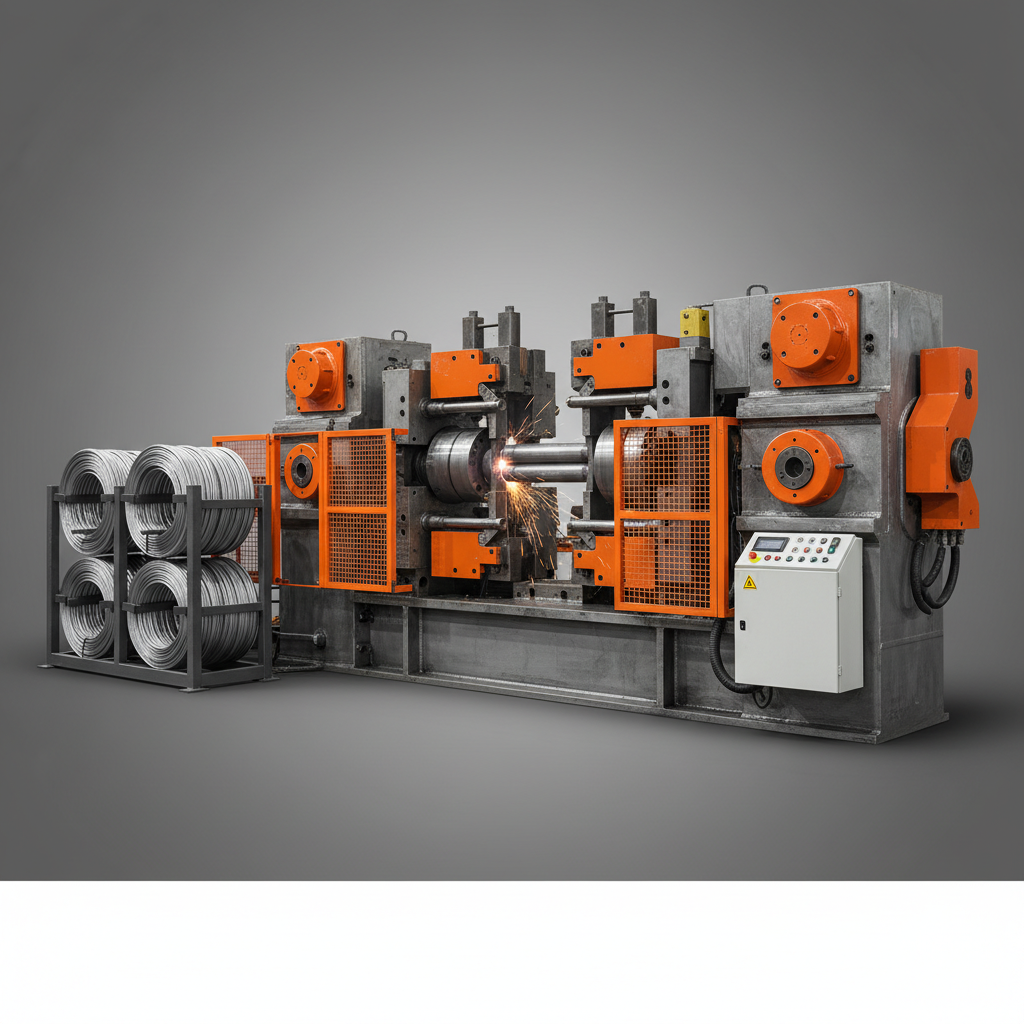
Manufacturing processes also play a significant role. The precision of the rolling and welding operations, as well as the control of welding parameters (current, voltage, travel speed), directly influence the integrity of the pipe. Post-weld heat treatment can further enhance the mechanical properties of the weld, reducing stress and improving resistance to cracking.
Welded Pipe Quality Assessment by Manufacturing Method
Global Applications of Welded Pipes
The versatility of welded pipes makes them essential components in a wide range of global applications. The oil and gas industry relies heavily on them for transporting crude oil, natural gas, and refined products across long distances, often utilizing large-diameter, high-strength pipes. Water supply and irrigation systems also depend on welded pipes for efficient and reliable water distribution.
Construction projects, including building infrastructure and bridges, frequently incorporate welded pipes for structural support, plumbing, and HVAC systems. Furthermore, the chemical and petrochemical industries utilize them for conveying corrosive fluids and gases. In post-disaster relief operations, welded pipes provide a rapid and effective means of delivering clean water to affected populations. welded pipe suppliers play a critical role in supporting these diverse needs globally.
From remote industrial zones in Siberia to rapidly urbanizing cities in Asia, the demand for high-quality welded pipes remains consistently strong, highlighting their indispensable role in modern society.
Advantages of Partnering with Reliable Suppliers
Partnering with a reliable welded pipe supplier offers several tangible benefits. Consistent product quality minimizes the risk of costly failures and downtime, leading to long-term cost savings. Timely delivery ensures projects stay on schedule, preventing delays and associated penalties. Competitive pricing helps control project budgets and maximize return on investment.
Beyond the financial advantages, a strong supplier relationship fosters trust and collaboration. Access to technical expertise and engineering support enables informed decision-making and optimized pipe selection. A supplier committed to sustainability and ethical sourcing practices aligns with responsible business values and enhances reputation.
Future Trends and Challenges for Welded Pipe Suppliers
The welded pipe industry is poised for significant changes in the coming years. Growing demand for sustainable materials and manufacturing processes is driving innovation in alloy development and welding techniques. The adoption of digital technologies, such as automated welding systems and predictive maintenance, is enhancing efficiency and reducing costs.
The increasing focus on green energy projects, including hydrogen transportation and carbon capture, will create new opportunities for specialized welded pipe solutions. However, suppliers also face challenges, including fluctuating raw material prices, supply chain disruptions, and evolving regulatory requirements. Adapting to these trends and overcoming these challenges will be crucial for maintaining competitiveness and meeting the evolving needs of the market.
Investments in research and development, along with a commitment to continuous improvement, will be essential for welded pipe suppliers to thrive in the future.
Analysis of Critical Supplier Attributes
Evaluating the capabilities of welded pipe suppliers requires a comprehensive analysis of key attributes to ensure project success and long-term reliability. This analysis helps stakeholders identify partners that align with their specific needs, quality standards, and sustainability goals. A holistic approach to supplier assessment is crucial for mitigating risks and maximizing value throughout the supply chain.
Understanding the factors that contribute to supplier performance, from production capacity and quality control measures to logistical capabilities and adherence to industry regulations, allows organizations to make informed decisions. Proactive assessment minimizes potential disruptions and fosters mutually beneficial partnerships. Welded pipe suppliers who excel in these areas demonstrate a commitment to excellence and a proven track record of success.
Effective supplier management is not merely a procurement function; it's a strategic imperative that directly impacts project outcomes and overall business performance.
Supplier Attribute Comparison
| Supplier Certification Level |
Production Capacity (Tonnes/Year) |
Logistics & Delivery Performance |
Quality Control Score (1-10) |
| ISO 9001 Certified |
50,000 |
On-Time Delivery: 95% |
8.5 |
| API 5L & ISO 10002 |
80,000 |
On-Time Delivery: 98% |
9.2 |
| DS/EN 10204 3.1 |
40,000 |
On-Time Delivery: 88% |
7.8 |
| ASME Section IX |
65,000 |
On-Time Delivery: 92% |
8.0 |
| Lloyd's Register |
70,000 |
On-Time Delivery: 96% |
8.8 |
| DNV GL |
90,000 |
On-Time Delivery: 99% |
9.5 |
FAQS
When selecting a welded pipe supplier, prioritize certifications like API 5L (for line pipe), ISO 9001 (for quality management), and specific certifications relevant to your industry, such as ASME or EN standards. These certifications demonstrate the supplier’s commitment to quality, safety, and adherence to international regulations. Look for suppliers who can provide documentation verifying their certifications and demonstrating traceability of materials and processes.
ERW (Electric Resistance Welding) uses high-frequency electric current to heat the edges of the steel and fuse them together, ideal for smaller diameter, lighter-wall pipes. SAW (Submerged Arc Welding) utilizes an electric arc submerged under a granular flux, producing high-quality welds for larger diameter, heavier-wall pipes. SAW generally offers higher strength and better weld properties, making it suitable for critical applications.
Communicate your project specifications clearly to the supplier, including material grade, dimensions, wall thickness, coating requirements, and any specific testing needs. Request a Material Test Report (MTR) for each batch of pipes, verifying compliance with the specified standards. Consider conducting your own independent inspection or third-party testing to confirm quality.
Lead times can vary significantly depending on pipe size, material availability, and the supplier’s production schedule. Standard sizes and materials typically have shorter lead times (2-4 weeks), while custom orders or large-diameter pipes may require 6-12 weeks or more. It’s best to discuss your project timeline with the supplier early in the process to ensure timely delivery.
Welded pipe suppliers offer various corrosion protection options, including internal and external coatings (epoxy, polyethylene, polyurethane), galvanizing, and the use of corrosion-resistant alloys like stainless steel. The appropriate corrosion protection method depends on the application environment and the type of fluid or gas being transported.
Current trends include the use of recycled steel, energy-efficient welding technologies, and the development of eco-friendly coatings. Suppliers are increasingly focused on reducing their carbon footprint and promoting sustainable manufacturing practices. Look for suppliers committed to environmental responsibility and offering pipes with reduced lifecycle impacts.
Conclusion
In conclusion, selecting the right welded pipe suppliers is paramount to the success of any project reliant on fluid or gas transportation. A commitment to quality, adherence to industry standards, and a robust supply chain are non-negotiable attributes. By understanding the key factors influencing pipe quality, embracing future trends, and prioritizing sustainable practices, organizations can mitigate risks and ensure the long-term reliability of their infrastructure.
Looking ahead, collaboration between end-users and welded pipe suppliers will be essential for driving innovation and addressing emerging challenges. Continued investment in research and development, coupled with a focus on digital transformation, will unlock new possibilities for optimizing pipe performance, reducing costs, and promoting a more sustainable future for the industry. Visit our website at www.hmiecmsp.com to explore our comprehensive range of welded pipe solutions.