Welded pipe factories are the cornerstone of modern infrastructure, playing a critical role in transporting essential resources like oil, gas, water, and chemicals across vast distances. The demand for high-quality, reliable welded pipes is consistently high due to ongoing urbanization, energy exploration, and industrial development worldwide. Understanding the processes, materials, and quality control measures employed in these factories is therefore vital for engineers, project managers, and anyone involved in the construction and maintenance of critical infrastructure.
The global welded pipe market is a multi-billion dollar industry, with significant growth projected in emerging economies. According to recent reports from the World Steel Association, pipe production continues to increase, driven by infrastructure projects and a recovery in the oil and gas sector. However, the industry faces challenges related to raw material costs, environmental regulations, and the need for improved manufacturing efficiency. Effective operation of a welded pipe factory is crucial for meeting these demands.
A welded pipe factory isn’t merely a manufacturing plant; it's a complex system integrating metallurgy, engineering, and quality assurance. It represents a vital link in the supply chain, directly impacting the safety and efficiency of countless industries and daily life. Investing in advanced technologies and skilled personnel within a welded pipe factory translates to increased reliability and reduced long-term costs for infrastructure projects globally.
Introduction to Welded Pipe Factories
A welded pipe factory represents a sophisticated manufacturing process where raw materials, typically steel, are transformed into cylindrical pipes through a series of forming, welding, and finishing operations. These factories are integral to numerous sectors, providing the essential piping infrastructure for oil and gas, water distribution, construction, and various other industrial applications. The efficiency and quality control within these facilities directly impact the reliability and longevity of these critical systems.
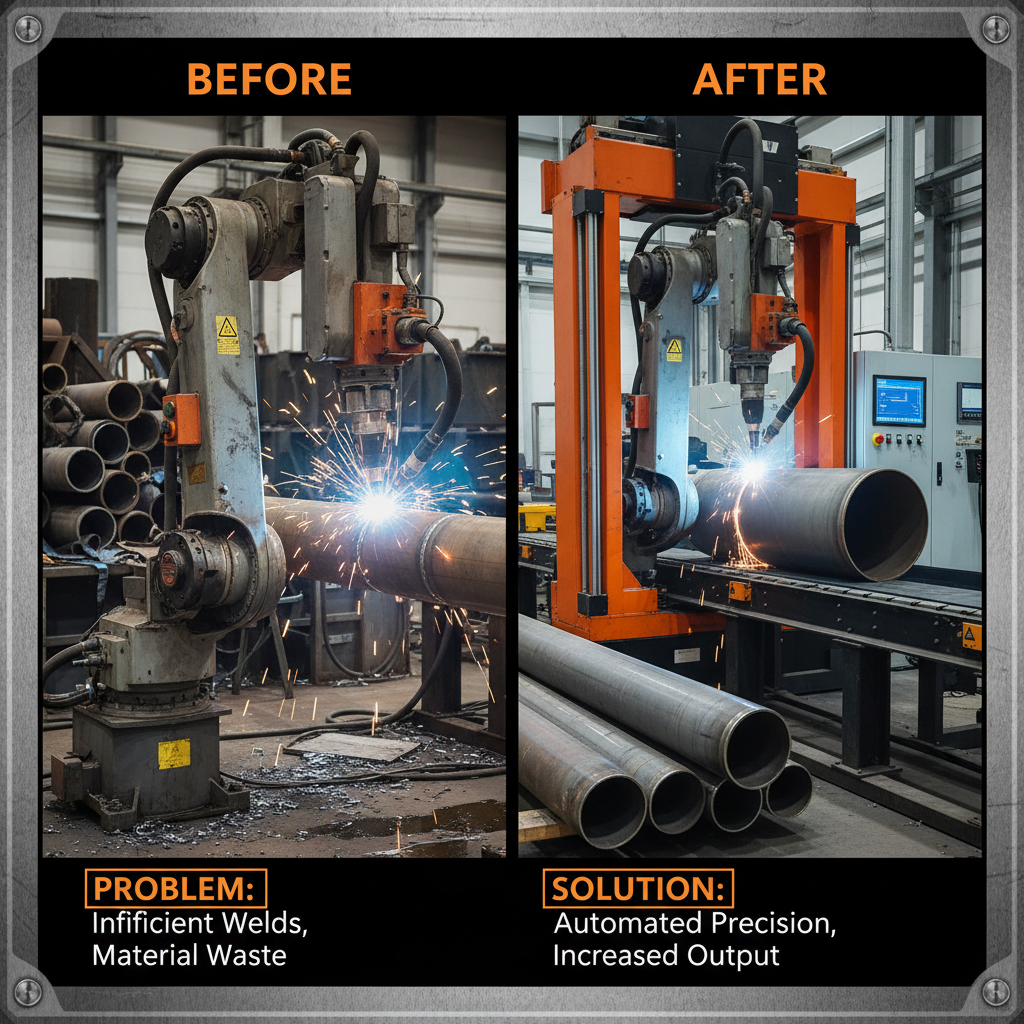
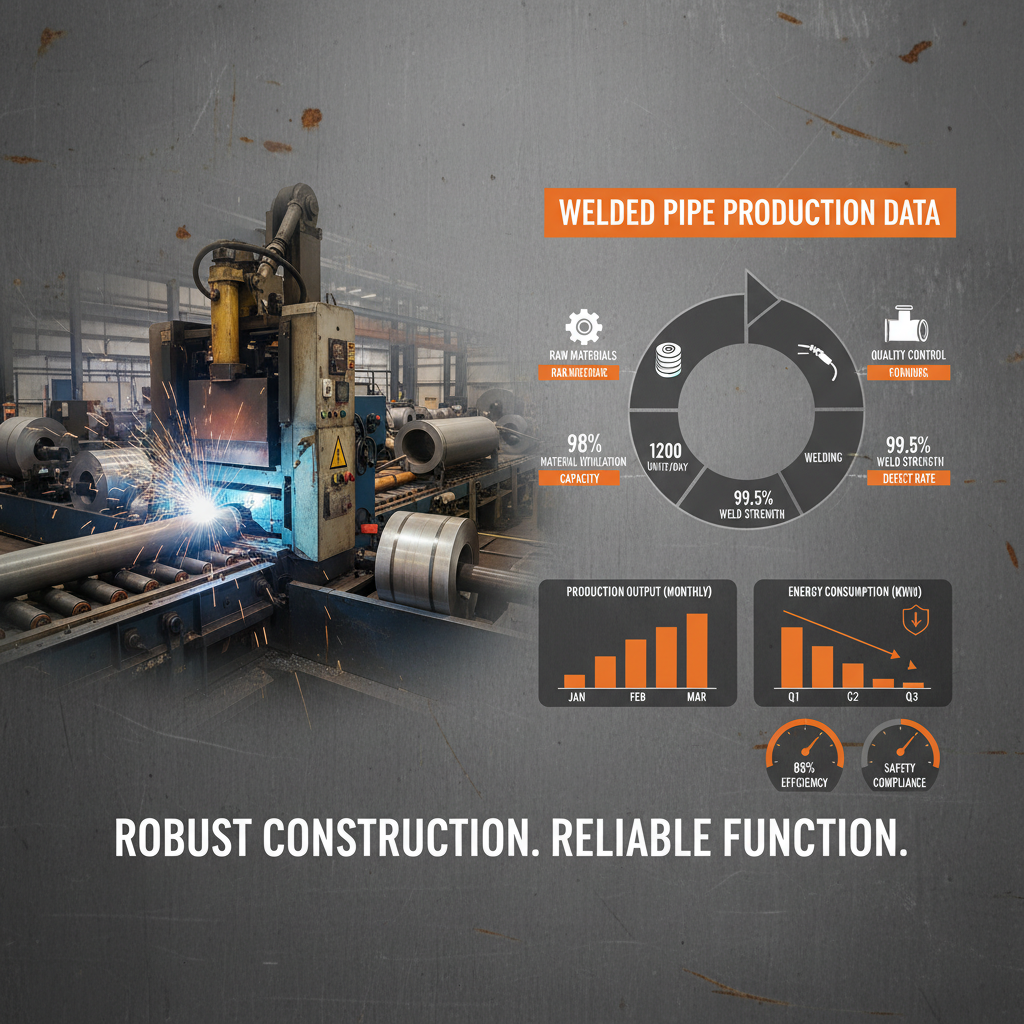
Modern welded pipe factories employ advanced technologies like automated welding systems, non-destructive testing (NDT) techniques, and real-time process monitoring to ensure consistent product quality and adherence to stringent industry standards. The ability to produce pipes of varying diameters, wall thicknesses, and material compositions is a key characteristic of a versatile welded pipe factory, enabling it to cater to a diverse range of client needs.
Defining a Welded Pipe Factory
A welded pipe factory is a specialized industrial facility dedicated to the manufacture of welded pipes. Unlike seamless pipe manufacturing, welded pipe production involves forming a flat or rolled steel plate into a cylindrical shape and then fusing the edges together using various welding techniques. These techniques include Electric Resistance Welding (ERW), Submerged Arc Welding (SAW), and High-Frequency Induction Welding (HFI), each suited for different pipe sizes, materials, and applications.
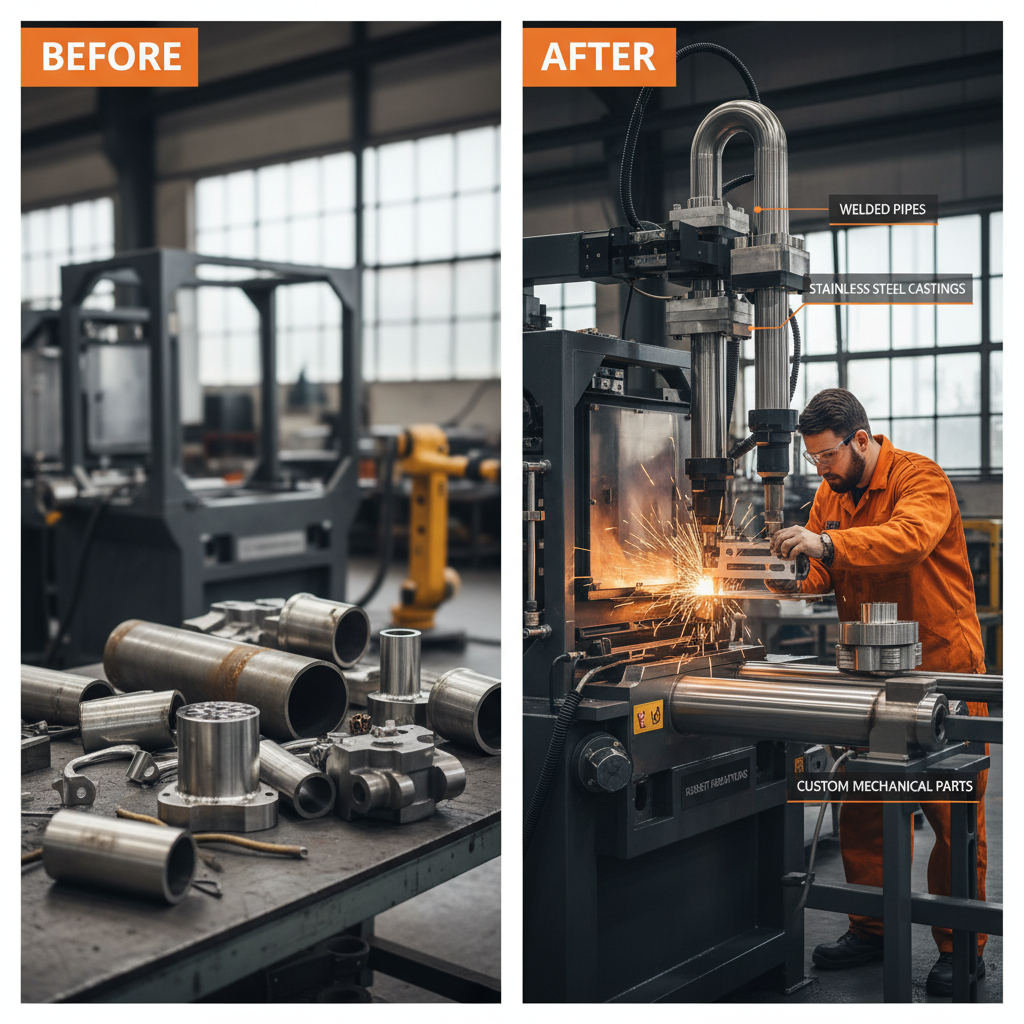
The factory encompasses a complete process – from raw material preparation (steel coil handling and leveling) to pipe formation, welding, quality control, coating, and final inspection. It's not just about welding; it's about precision engineering, careful material selection, and rigorous adherence to industry standards like API 5L, ASTM, and ISO 3183.
The connection to modern industry and humanitarian needs is profound. Welded pipes form the backbone of water supply networks, enabling access to clean water for communities worldwide. They’re essential for transporting energy resources, powering economies. In disaster relief, welded pipes offer rapid deployment solutions for temporary water and sanitation systems, highlighting their versatility and importance.
Core Components of Operation
Several key aspects define the operational efficiency and output quality of a welded pipe factory. Firstly, Material Quality is paramount. The type of steel used (carbon steel, alloy steel, stainless steel) dictates the pipe's strength, corrosion resistance, and suitability for different applications. Rigorous material testing and sourcing from certified suppliers are essential.
Secondly, Welding Technology is a core differentiator. The choice of welding process (ERW, SAW, HFI) impacts the weld’s integrity, production speed, and cost-effectiveness. Modern factories often employ automated welding systems with precise control parameters to ensure consistent weld quality.
Thirdly, Quality Control is non-negotiable. This involves a multi-stage process encompassing visual inspection, non-destructive testing (NDT) – including ultrasonic testing, radiographic testing, and magnetic particle inspection – and hydrostatic testing to identify defects and ensure compliance with industry standards. Fourthly, Coating and Finishing protect the pipe from corrosion and enhance its durability. Common coatings include epoxy, polyethylene, and anti-corrosion paints. Fifthly, Process Automation drastically improves efficiency and reduces errors, minimizing production costs and maximizing output.
Global Applications and Industries Served
Welded pipes manufactured in these factories are ubiquitous, finding applications in a remarkably diverse range of industries. The Oil and Gas Sector is a major consumer, utilizing large-diameter pipes for transporting crude oil, natural gas, and refined products over long distances via pipelines. The Water Supply and Wastewater Treatment Industry relies heavily on welded pipes for distribution networks, ensuring access to clean water and efficient waste management.
The Construction Industry utilizes welded pipes for structural support, plumbing, and fire protection systems in buildings and infrastructure projects. In Agriculture, welded pipes are used for irrigation systems, enhancing crop yields and promoting sustainable farming practices. Furthermore, Power Generation plants use welded pipes in cooling systems and steam lines.
Geographically, regions with significant infrastructure development, such as Asia-Pacific (China, India), the Middle East, and North America, represent key markets for welded pipes. In post-disaster relief operations, rapidly deployable welded pipe systems provide critical water and sanitation infrastructure. In remote industrial zones, they support resource extraction and processing.
Welded Pipe Factory Method Comparison
Advantages and Long-Term Value
The advantages of utilizing products from a reputable welded pipe factory are multifaceted. Cost Efficiency is a significant benefit, as welded pipe production is generally less expensive than seamless pipe manufacturing, making it an attractive option for large-scale projects. Scalability is another key advantage; factories can readily adjust production to meet fluctuating demand, offering flexibility to clients.
Furthermore, Durability and Reliability are inherent characteristics of well-manufactured welded pipes, ensuring long service life and minimizing maintenance requirements. This translates to Reduced Life-Cycle Costs for infrastructure projects. The enhanced safety and security provided by robust piping systems also contribute to a positive social impact, fostering trust and well-being.
Future Trends and Innovations
The welded pipe factory landscape is evolving, driven by advancements in materials science, manufacturing technology, and sustainability concerns. The development of High-Strength Low-Alloy (HSLA) Steels is enabling the production of lighter, stronger pipes with improved corrosion resistance. Digitalization and Automation, including the use of AI-powered process optimization and robotic welding systems, are enhancing efficiency and reducing defects.
The increasing emphasis on Sustainability is leading to the adoption of eco-friendly manufacturing practices, such as reduced energy consumption, waste minimization, and the use of recycled materials. Furthermore, the integration of Industry 4.0 principles – including predictive maintenance and real-time data analytics – is paving the way for smarter, more responsive welded pipe factories.
Challenges and Mitigation Strategies
Despite its advantages, the welded pipe industry faces several challenges. Fluctuating Raw Material Costs (steel prices) can significantly impact profitability. Mitigation strategies include long-term supply contracts, hedging, and exploring alternative materials. Stringent Environmental Regulations regarding emissions and waste disposal require investments in pollution control technologies and sustainable manufacturing practices.
Skilled Labor Shortages pose a threat to productivity and quality. Addressing this requires investing in training programs and attracting new talent to the industry. Finally, ensuring Consistent Weld Quality across all production runs remains a critical challenge, necessitating advanced NDT techniques and robust quality control systems.
A key solution is embracing continuous improvement methodologies like Six Sigma and Lean Manufacturing to optimize processes, reduce defects, and enhance overall efficiency within the welded pipe factory.
Summary of Key Mitigation Strategies for Welded Pipe Factory Challenges
| Challenge |
Impact Level (1-10) |
Mitigation Strategy |
Implementation Cost (USD) |
| Raw Material Cost Volatility |
8 |
Long-term contracts, Hedging |
50,000 - 100,000 |
| Environmental Regulations Compliance |
7 |
Pollution control technologies, Waste reduction |
100,000 - 300,000 |
| Skilled Labor Shortage |
9 |
Training programs, Recruitment initiatives |
20,000 - 50,000 |
| Weld Quality Consistency |
6 |
Advanced NDT techniques, Robust QC systems |
75,000 - 150,000 |
| Supply Chain Disruptions |
5 |
Diversification of suppliers, Inventory management |
30,000 - 60,000 |
| Aging Infrastructure & Equipment |
4 |
Preventative Maintenance, Equipment Replacement |
40,000 - 80,000 |
FAQS
Lead times for custom welded pipe orders vary significantly based on factors like pipe size, material type, quantity, and current factory workload. Generally, standard carbon steel pipes with common dimensions can be delivered within 4-8 weeks. More complex orders, involving specialty alloys, large diameters, or specific coating requirements, may require 10-16 weeks or longer. Accurate quoting requires detailed specifications and communication with the factory's sales and production teams to ensure realistic delivery expectations.
Compliance with international standards like API 5L is paramount for welded pipe factories. This is achieved through a rigorous Quality Management System (QMS) that encompasses all stages of production, from raw material sourcing to final inspection. Factories undergo regular audits by accredited third-party inspection agencies to verify adherence to these standards. Detailed documentation, including material certifications, welding procedure specifications, and NDT reports, is maintained to demonstrate traceability and quality control.
ERW (Electric Resistance Welding) uses electrical current to heat the edges of the steel, fusing them together. It's cost-effective for smaller diameter pipes. SAW (Submerged Arc Welding) utilizes a granular flux to shield the weld and create a high-quality weld, ideal for thicker-walled, larger-diameter pipes. HFI (High-Frequency Induction Welding) employs electromagnetic induction to heat the edges, offering faster welding speeds and good weld properties for medium to large diameter pipes. The choice depends on pipe dimensions, material, and required weld quality.
Welded pipe factories employ a variety of NDT methods to detect defects without damaging the pipe. Ultrasonic Testing (UT) is widely used to detect internal flaws. Radiographic Testing (RT) utilizes X-rays to visualize weld integrity. Magnetic Particle Inspection (MPI) identifies surface and near-surface defects. Liquid Penetrant Inspection (LPI) reveals surface cracks. Eddy Current Testing (ECT) detects surface and sub-surface flaws in non-ferrous materials. These techniques ensure weld quality and compliance with industry standards.
Before placing an order, it’s crucial to verify the factory’s credentials. Request copies of their quality certifications (e.g., ISO 9001, API Q1). Ask for material test reports (MTRs) and NDT reports for previous orders. Conduct a factory audit, either in person or remotely, to assess their facilities, processes, and quality control systems. Check their track record and seek references from other clients. A reputable factory will readily provide this information.
Coatings play a vital role in protecting welded pipes from corrosion, a major factor in their lifespan. Common coatings include epoxy, polyethylene, and various anti-corrosion paints. These coatings create a barrier between the steel and the environment, preventing rust and degradation. The selection of the appropriate coating depends on the pipe's operating environment (e.g., seawater, soil, high-temperature environments) and the specific corrosion risks involved. Regular coating maintenance is essential to maximize its effectiveness.
Conclusion
In conclusion, welded pipe factories are essential components of global infrastructure, providing the piping systems vital for transporting resources and supporting countless industries. The key to success lies in a commitment to material quality, advanced welding technologies, rigorous quality control, and continuous innovation. Understanding the core components of operation, the global applications, and the emerging trends is critical for stakeholders across the supply chain.
Looking ahead, the future of welded pipe factories will be shaped by sustainability initiatives, digitalization, and the demand for high-performance materials. By embracing these trends and investing in skilled personnel, these factories can continue to deliver reliable, cost-effective, and environmentally responsible solutions. Visit our website at www.hmiecmsp.com to learn more about our capabilities and how we can meet your welded pipe needs.