Welded pipe manufacturers are critical components in a vast array of industries globally, from energy and infrastructure to agriculture and manufacturing. These manufacturers specialize in producing pipes formed by welding various materials – primarily steel – into seamless or longitudinal seams. Their importance stems from the reliable and efficient transportation of fluids and gases over long distances, which underpins modern economies and supports daily life. The demand for high-quality welded pipes is consistently high, driven by ongoing infrastructure projects, increasing energy needs, and the replacement of aging pipelines.
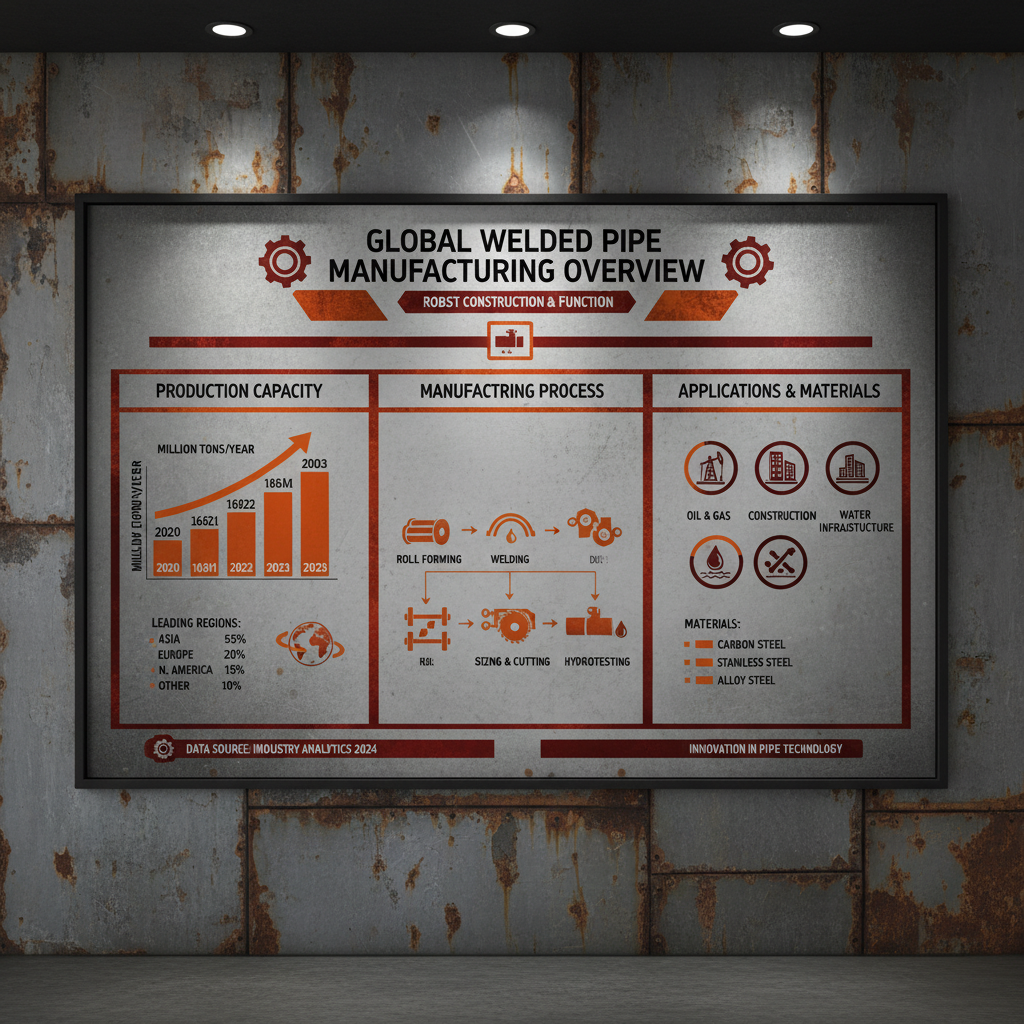
The global market for welded pipes is substantial and continues to grow, fueled by urbanization and industrial expansion in emerging economies. According to reports, the global steel pipe market was valued at approximately USD 268.7 billion in 2023 and is projected to reach USD 336.8 billion by 2030, exhibiting a CAGR of 2.9% during the forecast period. This growth is particularly pronounced in Asia-Pacific, driven by China and India’s massive infrastructure investments. welded pipe manufacturers play a vital role in meeting this demand, requiring constant innovation and adherence to stringent quality standards.
Addressing challenges like corrosion, material sourcing, and evolving industry regulations requires continuous development in welding technologies, material science, and manufacturing processes. Investing in robust welded pipe infrastructure is crucial for ensuring secure energy supplies, efficient water distribution, and the overall sustainability of modern society. Understanding the capabilities and limitations of different welded pipe manufacturers is paramount for making informed decisions in critical projects.
Introduction: Global Relevance of Welded Pipe Manufacturers
The significance of welded pipe manufacturers extends far beyond the simple production of tubular steel. They are integral to the safe and efficient transportation of critical resources—oil, gas, water, and various industrial chemicals—that power modern civilization. Welded pipe manufacturers are at the forefront of engineering solutions designed for challenging environments, providing durable and cost-effective infrastructure for both developed and developing nations.
Global standards, like those set by the American Petroleum Institute (API) and ISO, regulate the quality and safety of welded pipes. Manufacturers adhering to these standards ensure the integrity of pipelines, minimizing risks of leaks and environmental damage. The ongoing demand for infrastructure development, particularly in emerging economies, continues to drive the industry and reinforces the crucial role played by these specialized companies.
Defining Welded Pipe Manufacturers
Welded pipe manufacturers are companies specializing in the fabrication of pipes using welding techniques. Unlike seamless pipes, which are created from a solid billet of steel, welded pipes are formed by rolling or pressing steel plates into a cylindrical shape and then welding the edges together. This process allows for the production of pipes in a wider range of diameters and thicknesses, making them versatile for numerous applications.
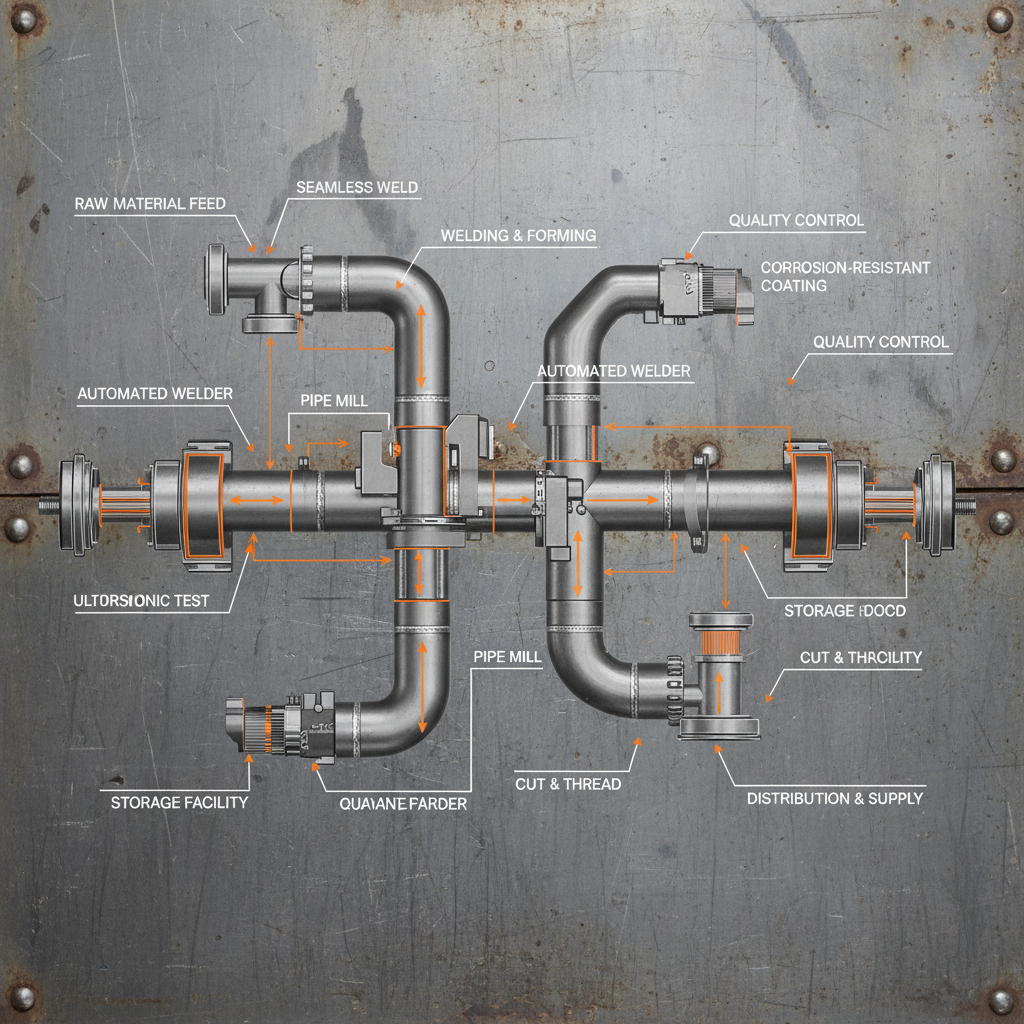
These manufacturers employ various welding methods, including Electric Resistance Welding (ERW), Submerged Arc Welding (SAW), and High-Frequency Induction Welding (HFI), each offering unique advantages depending on the pipe's intended use and specifications. They oversee the entire production process, from raw material selection and preparation to forming, welding, quality control, and finishing.
The connection to modern industry and humanitarian needs is undeniable. Welded pipes are foundational for energy transmission, water distribution, and infrastructure projects globally. They are critical for delivering essential resources to communities, enabling economic growth, and supporting public health and safety.
Key Characteristics of Welded Pipe Manufacturers
Durability is a paramount characteristic of pipes produced by welded pipe manufacturers. The quality of the weld itself, coupled with the material selection, determines the pipe’s resistance to corrosion, pressure, and external forces. High-grade steel alloys and protective coatings are employed to ensure longevity and minimize maintenance requirements.
Scalability refers to a manufacturer's ability to adapt production to meet varying demands. Leading manufacturers offer a wide range of pipe sizes, wall thicknesses, and material grades, catering to diverse project needs. This scalability is achieved through flexible manufacturing processes and efficient supply chain management.
Cost efficiency is a significant advantage of welded pipes compared to seamless alternatives, especially for large-diameter pipelines. The manufacturing process is generally less complex and requires less material, resulting in lower production costs that are passed on to customers. Furthermore, optimized welding techniques and material utilization contribute to overall cost savings.
Global Applications and Use Cases
Welded pipes find extensive application in the oil and gas industry for transporting crude oil, natural gas, and refined products across vast distances. They are also crucial components of water supply systems, delivering potable water to communities and irrigating agricultural lands. In the construction sector, they are used for structural supports, plumbing, and drainage systems.
Regions with significant infrastructure development, such as China, India, and Southeast Asia, heavily rely on welded pipes for their projects. In North America, the energy sector remains a primary consumer, with pipelines transporting hydrocarbons from production sites to refineries and consumers. In remote industrial zones, welded pipes are essential for establishing critical infrastructure.
In post-disaster relief operations, portable welded pipe systems can be rapidly deployed to provide temporary water supplies and sanitation facilities. They offer a quick and efficient solution for addressing urgent needs in emergency situations, demonstrating their versatility and adaptability.
Welded Pipe Manufacturing Method Comparison
Advantages and Long-Term Value
Cost savings are a significant advantage of using welded pipes, particularly for large-scale projects. The manufacturing process is often more economical than seamless pipe production, resulting in lower material and labor costs. This cost-effectiveness extends to installation and maintenance, offering long-term value.
Sustainability is increasingly prioritized by welded pipe manufacturers, with a growing focus on using recycled materials and implementing energy-efficient production processes. Durable pipelines reduce the need for frequent replacements, minimizing environmental impact and promoting resource conservation. These practices contribute to a more responsible and sustainable infrastructure.
Future Trends & Innovation
The integration of digital technologies, such as advanced sensors and data analytics, is transforming welded pipe manufacturing. Real-time monitoring of welding processes allows for greater precision and quality control, reducing defects and improving efficiency. Digital twins, virtual representations of physical assets, are being used to optimize pipeline design and predict maintenance needs.
Advanced materials, including high-strength low-alloy (HSLA) steels and corrosion-resistant alloys, are being developed to enhance pipeline performance and longevity. These materials offer improved resistance to harsh environments, extending the lifespan of pipelines and reducing maintenance costs. The pursuit of lighter, yet stronger materials is a key area of innovation.
Challenges and Solutions in Welded Pipe Manufacturing
Corrosion remains a significant challenge in welded pipe infrastructure. Solutions include the application of protective coatings, cathodic protection systems, and the use of corrosion-resistant materials. Regular inspection and maintenance are also crucial for detecting and addressing corrosion issues before they lead to failures.
Ensuring consistent weld quality across all production runs can be difficult. Utilizing advanced welding techniques, automated inspection systems, and rigorous quality control procedures are vital. Continuous training and certification of welding personnel are also essential for maintaining high standards.
Supply chain disruptions and fluctuating material costs pose ongoing challenges. Diversifying sourcing strategies, establishing long-term contracts with suppliers, and investing in inventory management systems can help mitigate these risks. Building resilient and flexible supply chains is critical for ensuring uninterrupted production.
Summary of Challenges and Corresponding Solutions in Welded Pipe Manufacturing
| Challenge |
Impact on Welded Pipe Manufacturers |
Proposed Solution |
Implementation Cost (1-10) |
| Corrosion |
Reduced pipe lifespan, increased maintenance costs. |
Protective coatings, cathodic protection. |
7 |
| Weld Quality Inconsistency |
Pipeline failures, safety hazards. |
Automated inspection, rigorous training. |
8 |
| Material Cost Fluctuations |
Increased production expenses, reduced profit margins. |
Long-term contracts, diversified sourcing. |
6 |
| Supply Chain Disruptions |
Production delays, inability to meet demand. |
Strategic inventory, multiple suppliers. |
7 |
| Skilled Labor Shortage |
Difficulty maintaining quality, increased training costs. |
Apprenticeship programs, automation. |
5 |
| Evolving Industry Regulations |
Compliance costs, potential for penalties. |
Proactive compliance monitoring, industry collaboration. |
6 |
FAQS
When choosing a welded pipe manufacturer, consider their certifications (API, ISO), material expertise, manufacturing capabilities, quality control processes, production capacity, and track record. It’s also crucial to assess their ability to meet specific project requirements, delivery timelines, and provide post-sales support. Reputation and customer testimonials are valuable indicators of reliability and quality.
ERW (Electric Resistance Welding) is a high-speed, continuous welding process often used for smaller diameter pipes. SAW (Submerged Arc Welding) is typically employed for larger diameter, thicker-walled pipes, offering higher weld strength and quality. SAW provides greater control over heat input and weld penetration, making it suitable for critical applications. Both methods have their advantages depending on the specific application.
Modern welded pipes, manufactured with advanced welding techniques and high-quality materials, can achieve strength and reliability comparable to seamless pipes in many applications. While seamless pipes historically had an advantage, advancements in welding technology have significantly narrowed the gap. The choice between welded and seamless depends on the specific application and pressure requirements.
Reputable manufacturers employ a comprehensive range of quality control measures, including non-destructive testing (NDT) such as ultrasonic testing, radiographic testing, and magnetic particle inspection. They also conduct hydrostatic testing to verify pipe strength and leak tightness. Detailed material certifications and weld inspection reports are also standard practice.
Lead times vary depending on the pipe specifications (size, material, quantity), manufacturer’s current workload, and shipping distances. Standard sizes and materials may have shorter lead times (weeks), while custom orders or large quantities can take several months. It's best to discuss specific requirements with the manufacturer to obtain an accurate lead time estimate.
Many welded pipe manufacturers are implementing sustainable practices, such as using recycled steel, reducing energy consumption, minimizing waste generation, and optimizing water usage. They are also focusing on developing eco-friendly coatings and exploring alternative materials to reduce their environmental footprint.
Conclusion
In conclusion, welded pipe manufacturers play a vital and often unseen role in sustaining modern life. Their ability to deliver durable, cost-effective, and scalable piping solutions is fundamental to energy transmission, water distribution, and infrastructure development globally. Embracing innovation in materials, welding techniques, and digital technologies will be essential for addressing future challenges and meeting the evolving needs of a growing world.
Investing in partnerships with reputable and forward-thinking welded pipe manufacturers is critical for ensuring the long-term reliability and sustainability of critical infrastructure. Continued research and development, coupled with a commitment to quality and environmental responsibility, will drive the industry forward and solidify its position as a cornerstone of modern civilization.