In the intricate web of modern industrial production, the role of a reliable mechanical parts supplier extends far beyond the mere delivery of components. These suppliers serve as the backbone of manufacturing, ensuring that everything from heavy machinery to delicate electronic housings is built with precision, durability, and material integrity. By bridging the gap between raw material sourcing and final assembly, they enable industries to maintain lean operations and accelerate time-to-market for critical innovations.
Across the globe, the demand for high-performance materials—such as aluminium bars, copper sheets, and precision machining parts—has surged as industries pivot toward automation and sustainable energy. A professional mechanical parts supplier does not just sell a product; they provide engineering expertise, quality assurance, and a stable supply chain that mitigates the risks of production downtime. In an era of volatile logistics, the strategic partnership with a versatile supplier is often the deciding factor in a company's operational resilience.
Understanding the nuances of mechanical procurement—ranging from the selection of continuous cast iron bars to the complexities of assembled parts—allows businesses to optimize their cost-to-quality ratio. Whether it is for aerospace, automotive, or medical device manufacturing, the synergy between a client's design and the supplier's manufacturing capability is where true efficiency is born. This guide explores the multifaceted world of mechanical component sourcing and how it drives global industrial growth.
Global Context of Mechanical Parts Sourcing
The global manufacturing landscape is currently undergoing a seismic shift toward "Industry 4.0," where the integration of smart technology and physical hardware is paramount. According to ISO standards and global trade data, the precision of mechanical components has become a primary KPI for industrial competitiveness. A sophisticated mechanical parts supplier must now navigate a world where tolerances are measured in microns and materials must withstand extreme environmental stressors, from deep-sea pressure to aerospace vacuums.
However, this drive for precision has introduced significant challenges, including the fragility of "just-in-time" delivery models and the rising cost of raw materials like copper and high-grade aluminium. The global industry is moving away from fragmented purchasing toward integrated partnerships, where the supplier is involved in the R&D phase to ensure that the chosen materials—be it sheet metal parts or transmission components—are optimized for both performance and manufacturability.
Defining the Role of a Mechanical Parts Supplier
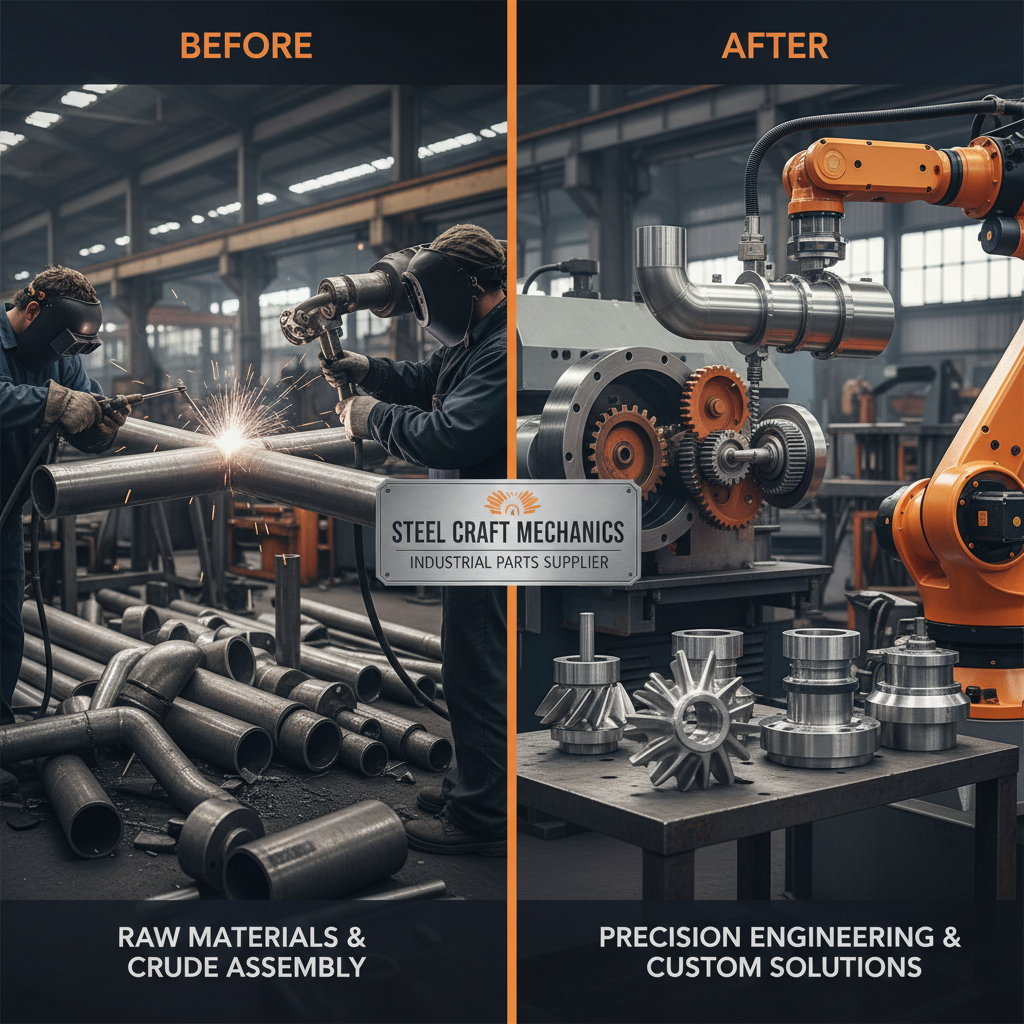
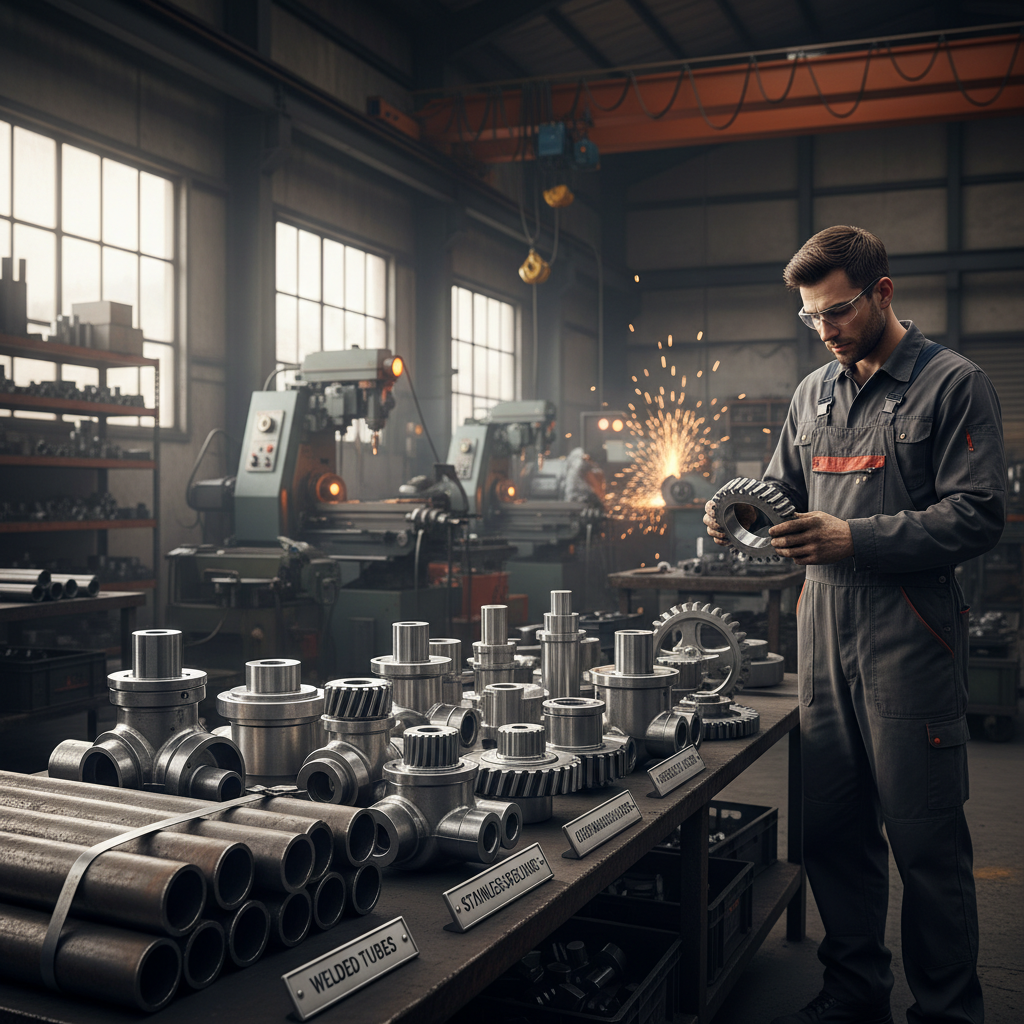
In its simplest form, a mechanical parts supplier is an entity that provides the physical building blocks of machinery. This includes everything from raw materials like aluminium bars and copper foils to complex, finished products like machined parts and welded tubes. Unlike a simple vendor, a true supplier in the metal products industry integrates metallurgical knowledge with fabrication capabilities to deliver components that meet strict engineering specifications.
Beyond the physical product, these suppliers act as critical consultants in the production cycle. They help engineers select the right grade of casting parts or decide whether a specific component should be machined from a solid bar or fabricated via sheet metal folding. This guidance prevents costly design errors and ensures that the final assembly is safe, durable, and cost-effective.
In a broader humanitarian and societal context, the reliability of these suppliers impacts everything from the stability of power grids (requiring high-conductivity copper components) to the safety of medical imaging equipment. When a supplier guarantees the quality of a transmission part or a welded tube, they are essentially guaranteeing the uptime of critical infrastructure that supports millions of people worldwide.
Core Factors for Component Quality
Material purity and grade selection are the foundation of any successful project managed by a mechanical parts supplier. Whether sourcing aluminium sheets for lightweight frames or continuous cast iron for heavy-duty bases, the chemical composition determines the part's resistance to corrosion, fatigue, and wear.
Dimensional accuracy and tolerance control are where a premium mechanical parts supplier separates itself from the competition. Utilizing CNC machining and precision grinding ensures that assembled parts fit together perfectly the first time, reducing the need for manual adjustment and significantly lowering the risk of mechanical failure in the field.
Surface treatment and finishing represent the final layer of quality. From anodizing aluminium to galvanizing welded tubes, these processes protect the core material from oxidation and improve the aesthetic appeal of the final product, ensuring long-term operational life even in harsh industrial environments.
Industrial Applications and Use Cases
The application of components from a mechanical parts supplier is ubiquitous. In the automotive sector, for instance, transmission parts and aluminium casting components are essential for reducing vehicle weight and improving fuel efficiency. Meanwhile, in the energy sector, copper sheets and bars are critical for the construction of transformers and electric vehicle charging infrastructure, where conductivity is the highest priority.
In more specialized contexts, such as remote industrial zones or post-disaster reconstruction, the ability to source versatile "material kits"—including sheet metal parts and standard mechanical fasteners—allows for the rapid deployment of temporary shelters and emergency power systems. The versatility of a supplier who can provide both the raw materials and the finished machined parts becomes a lifeline for rapid-response engineering teams.
Performance Comparison of Sourcing Methods for Mechanical Parts
Long-Term Value of Strategic Partnerships
The true value of a mechanical parts supplier is not found in a single transaction, but in the accumulation of trust and technical alignment. When a supplier understands a client's long-term product roadmap, they can suggest material substitutions—such as moving from a heavy cast iron bar to a high-strength aluminium alloy—that reduce costs without sacrificing structural integrity.
Furthermore, the emotional peace of mind that comes from a reliable partner is invaluable. Knowing that your transmission parts or welded tubes will arrive on time and meet every single tolerance requirement removes the stress of production delays. This reliability fosters an environment of innovation, where engineers can take bolder risks in design, knowing their mechanical parts supplier can execute the vision.
Future Trends in Precision Manufacturing
The future of the mechanical parts supplier industry is being rewritten by additive manufacturing (3D printing) and AI-driven generative design. We are seeing a shift where "hybrid manufacturing"—combining traditional casting or machining with 3D-printed internal geometries—allows for parts that are lighter and stronger than ever before. This is particularly evident in the production of high-performance transmission parts and aerospace components.
Sustainability is another dominant trend. The move toward "Green Steel" and recycled aluminium bars is no longer optional but a requirement for companies aiming for carbon neutrality. Suppliers are now being judged not just on the precision of their machined parts, but on the carbon footprint of the materials they source and the energy efficiency of their fabrication processes.
Digital twin technology is also integrating into the supply chain. Leading suppliers now provide a "digital birth certificate" for every mechanical part, containing its exact material batch, heat treatment history, and measurement data. This level of transparency ensures total traceability and simplifies the maintenance of complex machinery over decades of use.
Overcoming Supply Chain Challenges
Despite the advancements, the industry faces significant hurdles, primarily in the form of raw material volatility and geopolitical disruptions. A mechanical parts supplier must now employ sophisticated hedging strategies and diversified sourcing to ensure that a shortage of copper or aluminium doesn't halt a client's entire production line.
Another common challenge is the "communication gap" between design engineers and fabrication specialists. Often, a part is designed that is theoretically perfect but practically impossible or prohibitively expensive to machine. The solution lies in "Design for Manufacturing" (DfM) collaborations, where the supplier provides real-time feedback during the CAD phase to optimize the part's geometry for the intended process.
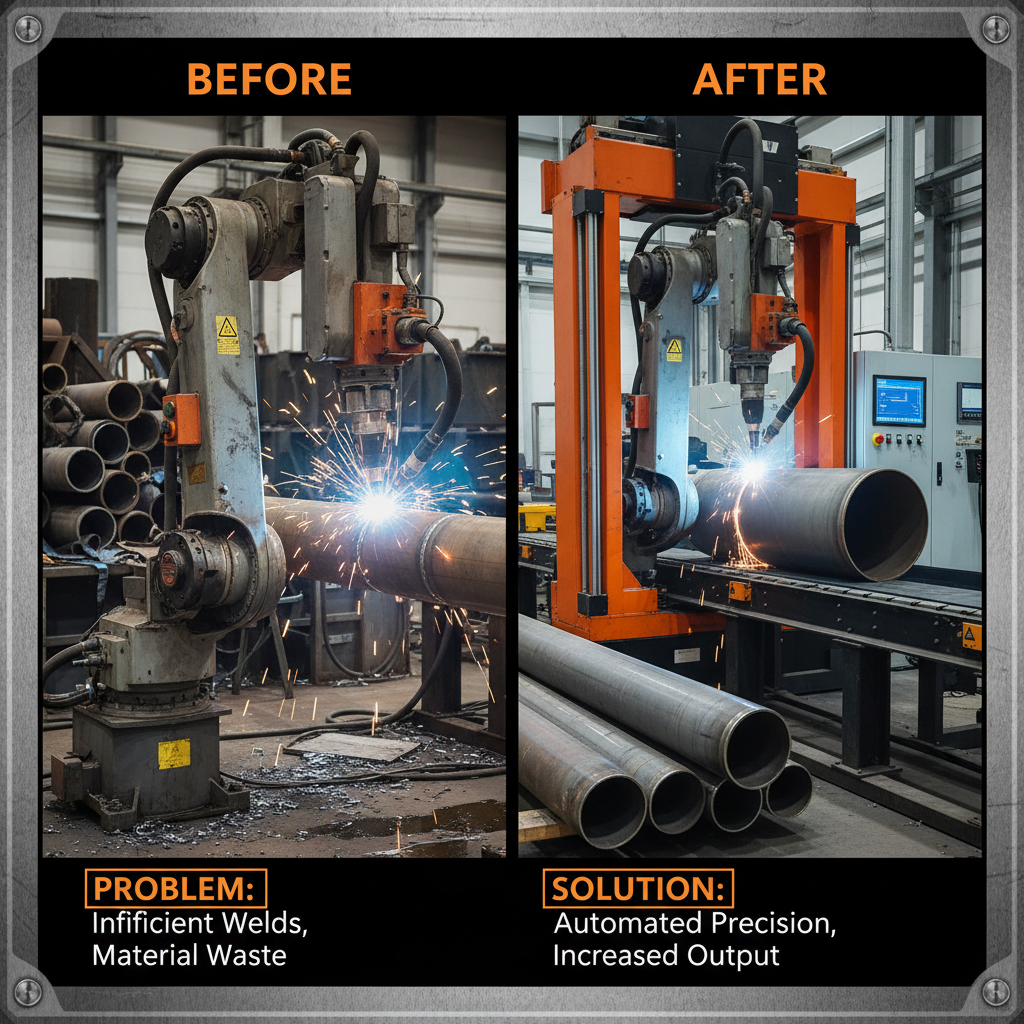
Lastly, quality drift in mass production can be a silent killer. To combat this, the most successful suppliers implement automated optical inspection (AOI) and statistical process control (SPC). By monitoring trends in part dimensions in real-time, they can adjust machinery before a part ever falls out of tolerance, ensuring a zero-defect delivery rate.
Comparative Analysis of Mechanical Component Materials and Applications
| Material Category |
Common Form Factor |
Primary Industrial Use |
Durability Score (1-10) |
| Aluminium Alloy |
Bar / Sheet |
Aerospace Frames |
7 |
| Continuous Cast Iron |
Heavy Bar |
Machine Tool Bases |
9 |
| High-Conductivity Copper |
Foil / Sheet |
Electrical Busbars |
6 |
| Precision Steel |
Machined Parts |
Transmission Gears |
10 |
| Galvanized Steel |
Welded Tubes |
Structural Chassis |
8 |
| Specialty Alloys |
Casting Parts |
Marine Valves |
9 |
FAQS
Look for a supplier that offers integrated services—from raw material sourcing (like aluminium bars) to final machining. Check their quality certifications (ISO 9001), their ability to provide material mill certificates, and their willingness to engage in DfM (Design for Manufacturing) discussions to optimize your costs.
Generally, casting parts are more cost-effective for high-volume production of complex shapes, as they reduce the amount of material waste. Machined parts, however, offer far superior precision and surface finish, making them the better choice for low-to-medium volumes or components requiring extremely tight tolerances.
Yes, a comprehensive mechanical parts supplier typically manages the entire vertical chain. They source the copper sheets or aluminium bars, perform the necessary cutting and machining, and then handle the welding and assembly, providing a one-stop-shop solution that reduces logistical overhead for the client.
Request a Quality Control (QC) plan that includes non-destructive testing (NDT) for welds, such as X-ray or ultrasonic testing. For sheet metal, ensure the supplier uses calibrated CNC folding and laser cutting equipment to maintain dimensional consistency across large batches.
Depending on the load, hardened alloy steels or specialized cast iron are typically preferred for their wear resistance. For lighter applications where weight is a factor, high-strength aluminium alloys with hard-anodized coatings can provide a suitable balance of durability and lightness.
The most effective way is to establish a strategic partnership with your supplier, allowing them to hold "buffer stock" of raw materials like copper foil or aluminium bars. Additionally, simplifying your designs to avoid exotic machining processes can significantly speed up production.
Conclusion
Navigating the complexities of industrial procurement requires more than just a list of specifications; it requires a partnership with a mechanical parts supplier who understands the intersection of metallurgy, precision engineering, and supply chain logistics. From the foundational strength of continuous cast iron to the high-tech precision of CNC machining, the quality of these components determines the success and safety of the final product. By focusing on material purity, dimensional accuracy, and strategic collaboration, manufacturers can ensure their operations remain competitive and resilient.
As we look toward a future defined by additive manufacturing and sustainable materials, the role of the supplier will evolve from a component provider to a strategic innovation partner. Investing in a relationship with a supplier who embraces these trends today will provide a significant competitive advantage tomorrow. For those seeking to optimize their production chain with high-quality materials and precision parts, we invite you to explore our capabilities. Visit our website: www.hmiecmsp.com