





Comprehensive Guide to Understanding Mechanical Machine Parts and Their Applications
Understanding Mechanical Machine Parts: A Comprehensive Guide
Mechanical machine parts are the foundational components of countless industries, driving innovation and efficiency. From automotive manufacturing to aerospace engineering, these parts are essential for the function of complex machinery. This article will explore the different types of mechanical machine parts, materials used in their construction, manufacturing processes, quality control, and future trends. We aim to provide a comprehensive overview for engineers, purchasers, and anyone interested in the world of mechanical engineering. Selecting the right parts is crucial for optimal performance and longevity of any machine.
Types of Mechanical Machine Parts
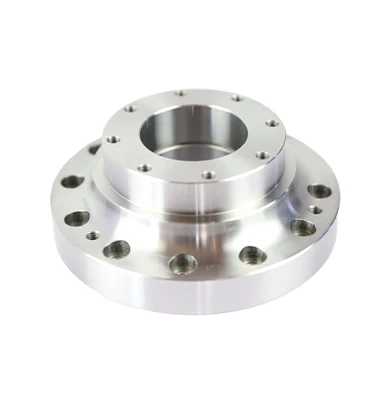
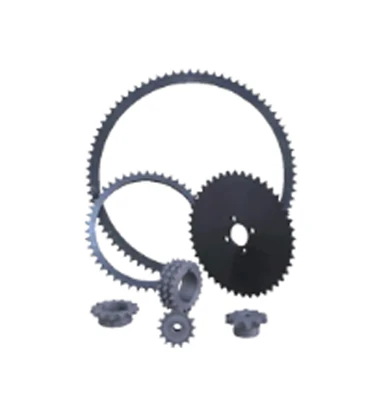
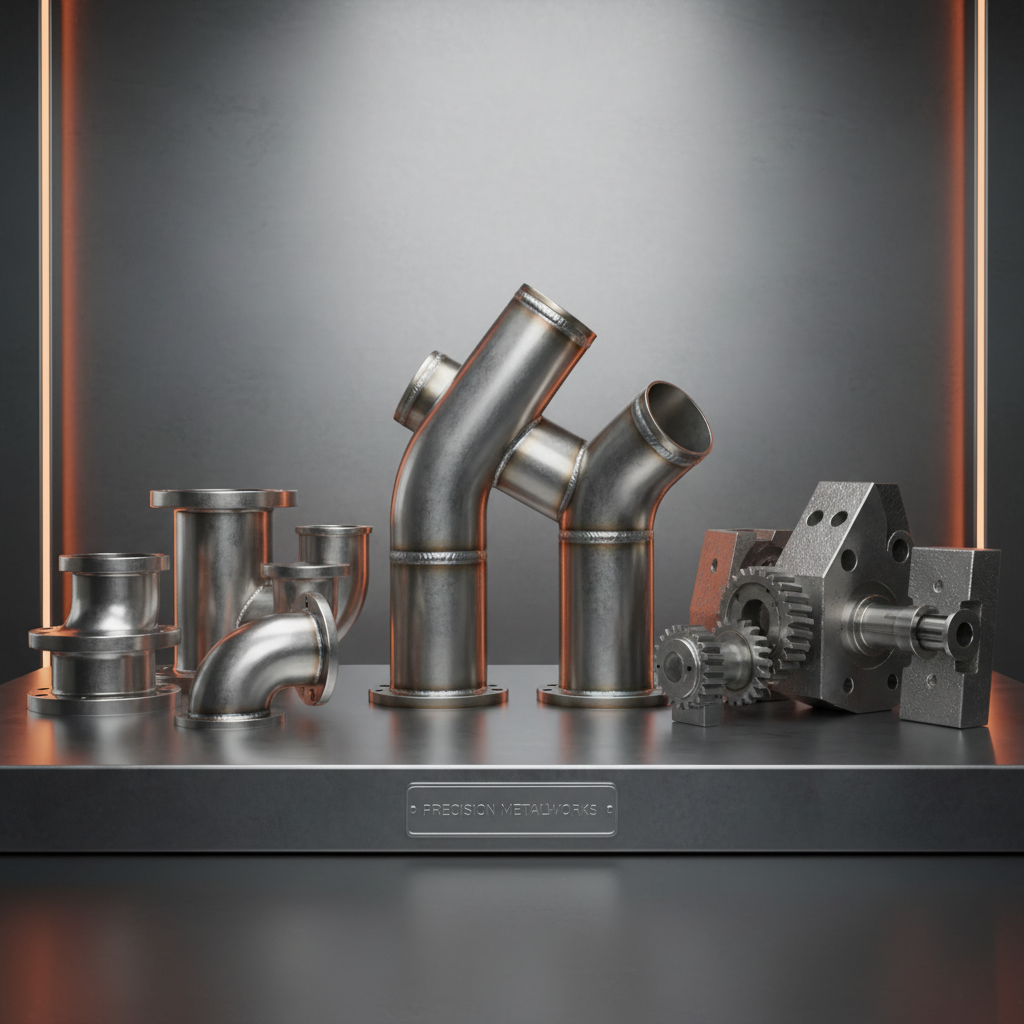
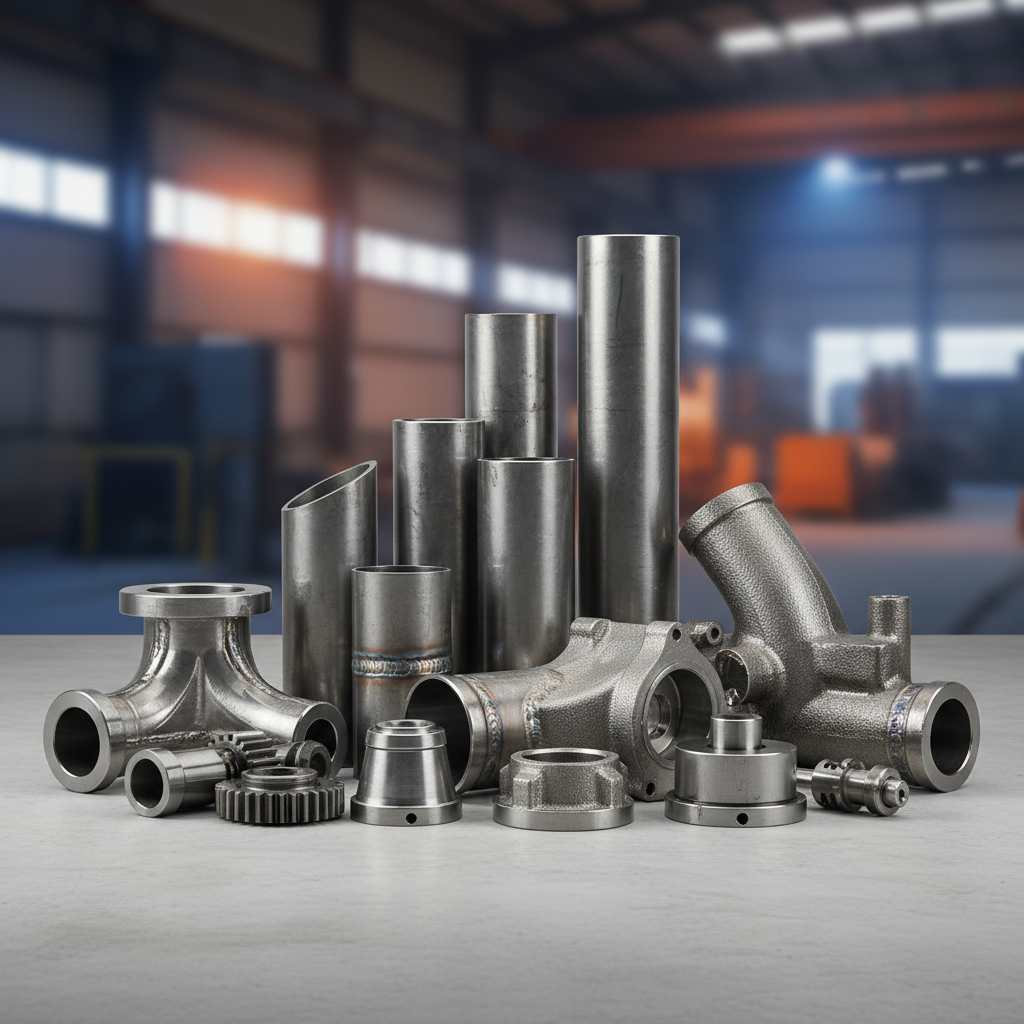
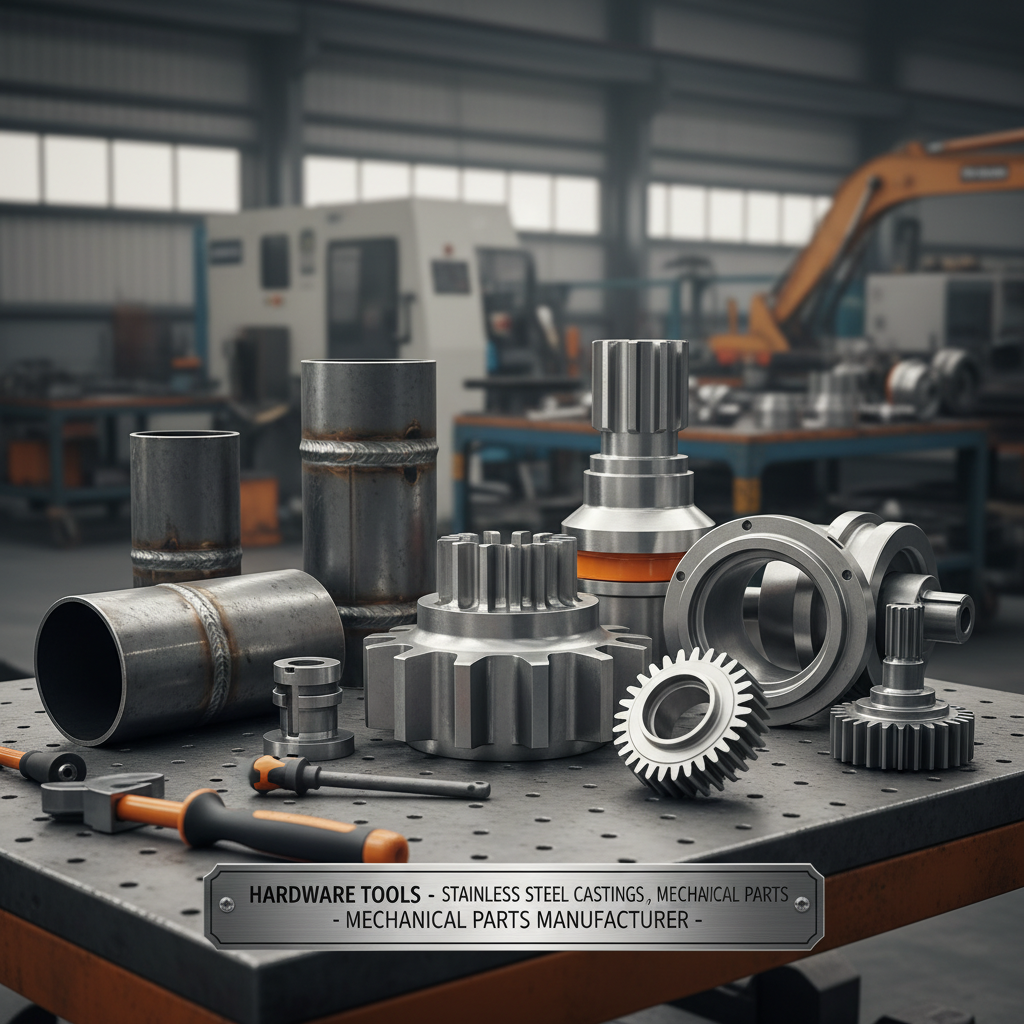
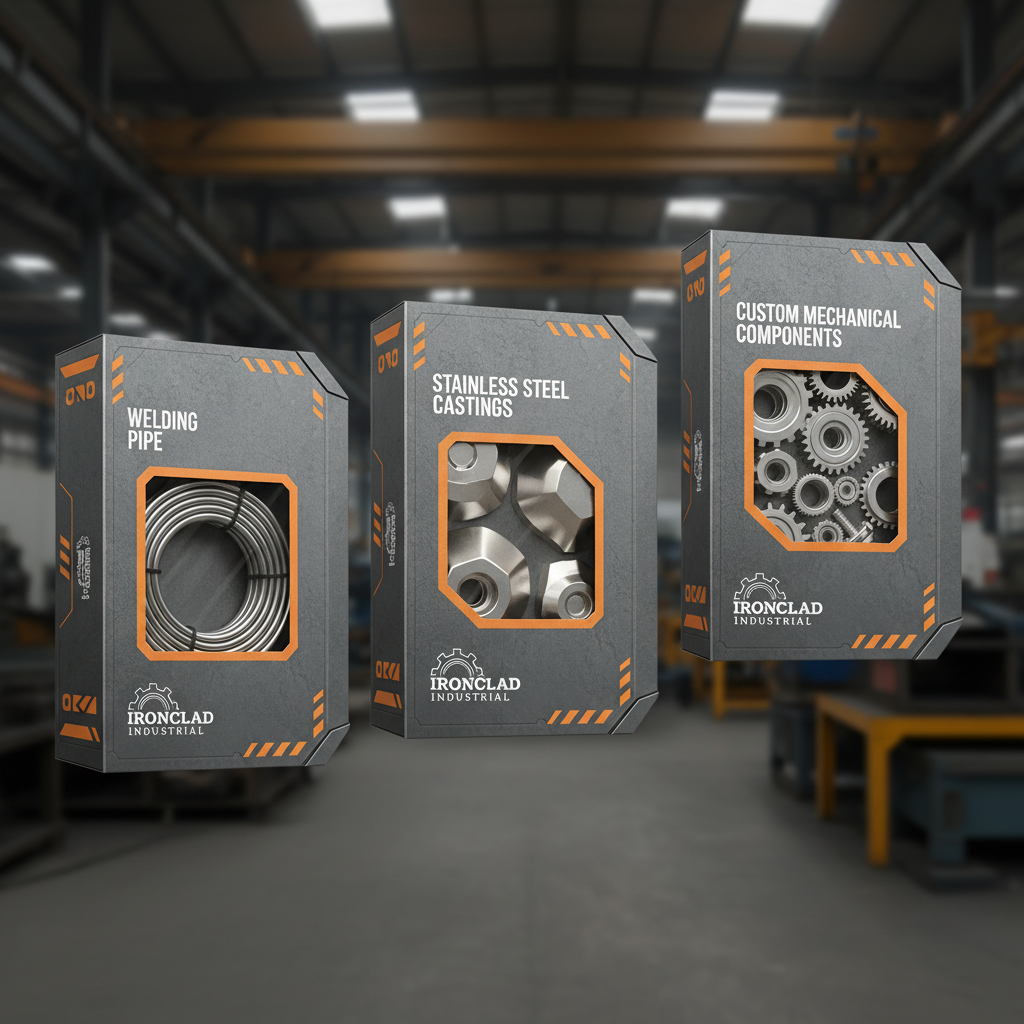
The spectrum of mechanical machine parts is vast. Some common categories include: Gears (spur, helical, bevel), Bearings (ball, roller, needle), Shafts (straight, stepped, hollow), Fasteners (bolts, screws, nuts), Springs (compression, extension, torsion), and Couplings (rigid, flexible, fluid). Each type serves a specific purpose and is designed to withstand varying loads, speeds, and environmental conditions. Understanding the function of each component is key to proper machine design and maintenance. HMIECMSP offers a diverse catalog of these parts.
Key Highlights: Mechanical machine parts are categorized based on their function, including gears, bearings, shafts, fasteners, springs and couplings. Each type is engineered for specific applications.
Materials Used in Mechanical Machine Parts
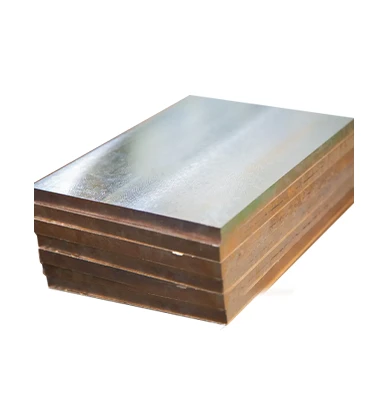
The selection of material is critical and depends on the application's demands. Common materials include Steel (carbon, alloy, stainless), Aluminum (various alloys), Brass, Bronze, and Plastics (nylon, PTFE, polymers). Steel provides high strength and durability, while aluminum offers lightweight properties and corrosion resistance. Brass and bronze are used for their machinability and bearing qualities. Plastics are preferred for their low friction and insulation properties. The choice often involves balancing strength, weight, cost, and environmental factors. Understanding the properties of each material is crucial for selecting the right part for the job.
Material Property Comparison:
• Steel: High Strength, Durability, Corrosion (depending on alloy)
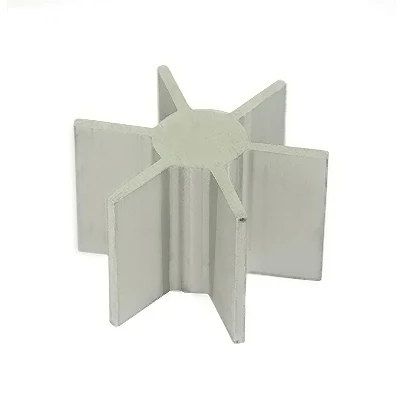
• Aluminum: Lightweight, Corrosion Resistance, Good Machinability
• Brass: Machinability, Corrosion Resistance, Electrical Conductivity
• Plastics: Low Friction, Insulation, Lightweight
Manufacturing Processes for Mechanical Machine Parts
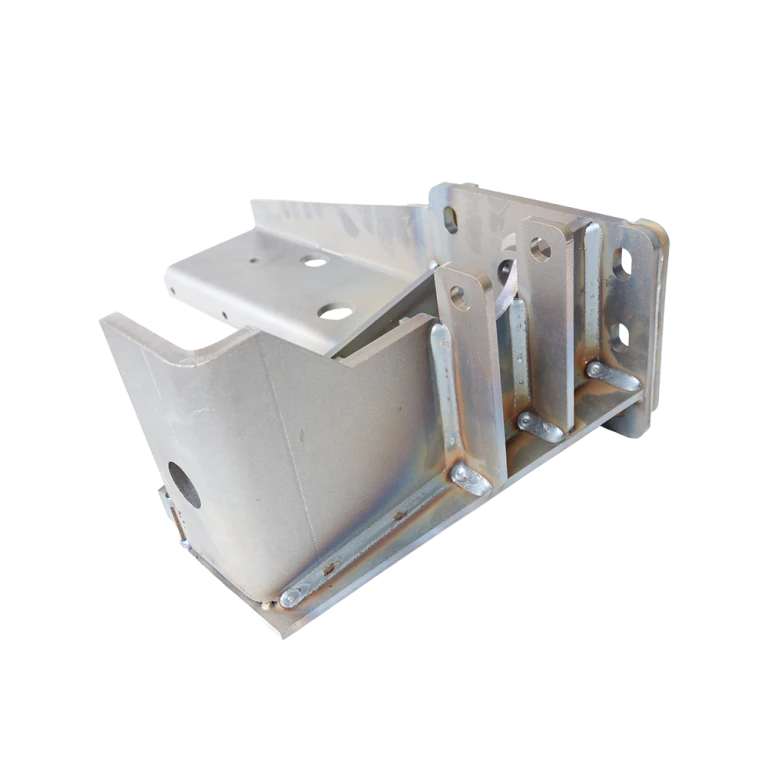
Several manufacturing processes are employed to create mechanical machine parts. These include Machining (turning, milling, drilling), Casting (sand casting, die casting), Forging, Powder Metallurgy, and Additive Manufacturing (3D printing). Machining is a subtractive process, removing material to achieve the desired shape. Casting involves pouring molten material into a mold. Forging uses compressive forces to shape the material. Powder metallurgy involves compacting and sintering metal powders. Additive manufacturing builds parts layer by layer. The choice of process depends on the part's complexity, material, and production volume.
Quality Control and Testing of Mechanical Machine Parts
Rigorous quality control is paramount. Techniques include Dimensional Inspection (using calipers, micrometers, CMMs), Non-Destructive Testing (NDT – radiography, ultrasonic testing), Material Analysis (hardness testing, chemical composition analysis), and Functional Testing (load testing, fatigue testing). These tests ensure parts meet specified tolerances, material properties, and performance requirements. Adhering to industry standards (ISO, ASTM) is vital. HMIECMSP employs a multi-stage quality control process.
Future Trends in Mechanical Machine Parts
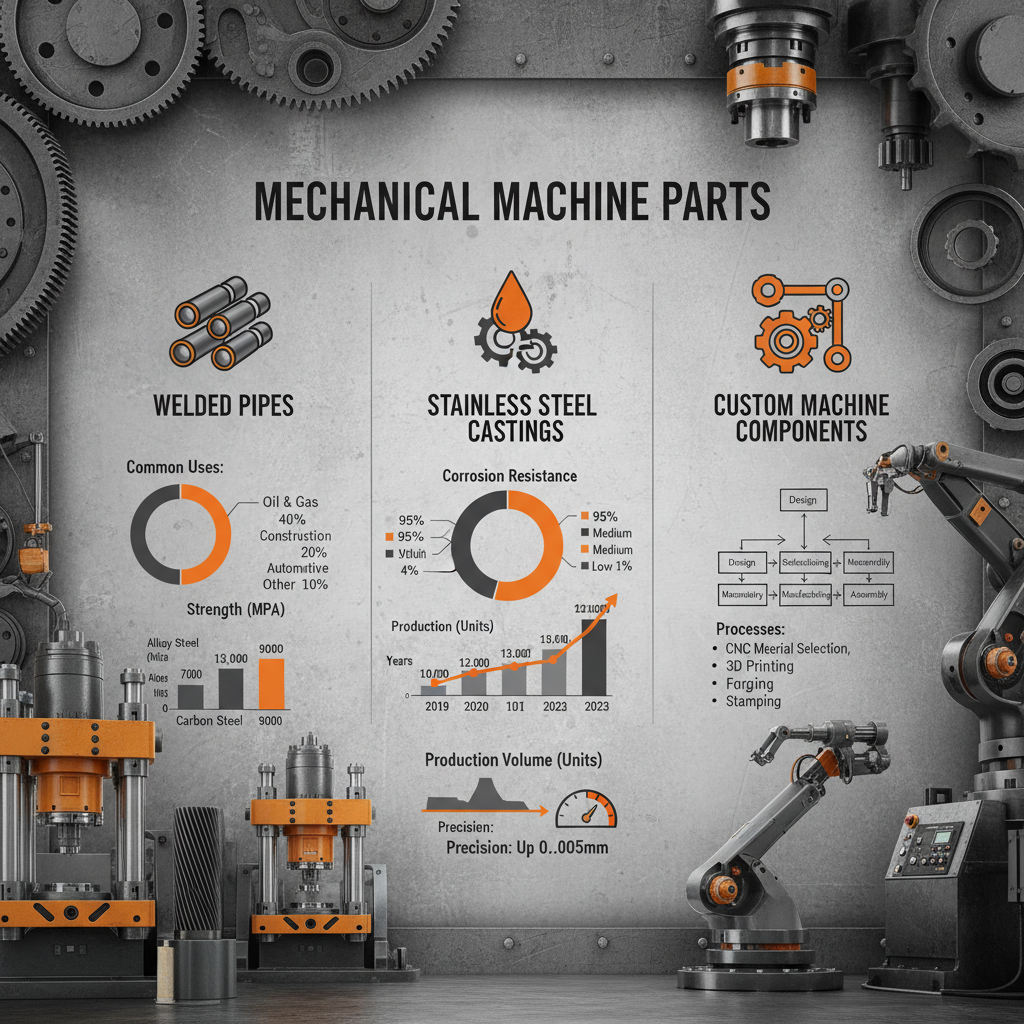
The field of mechanical machine parts is continuously evolving. Key trends include Lightweighting (using advanced materials like composites), Miniaturization (developing smaller, more precise parts), Smart Parts (integrating sensors and data analytics), and Sustainable Manufacturing (reducing waste and energy consumption). The increasing use of Artificial Intelligence and Machine Learning in design and manufacturing promises to further optimize performance and efficiency. As technology advances, the demand for innovative and high-performance mechanical machine parts will only grow.
Conclusion: The Cornerstone of Modern Engineering
Mechanical machine parts are the vital components that underpin countless industries. From advancements in materials science to innovative manufacturing processes, the evolution of these parts is driving progress across the globe. HMIECMSP is dedicated to providing high-quality, reliable mechanical machine parts to meet the ever-changing demands of modern engineering.
Frequently Asked Questions (FAQs)
What factors should I consider when choosing a material for a mechanical machine part?
Several factors must be considered, including the required strength, stiffness, weight, corrosion resistance, temperature resistance, and cost. The operating environment also plays a crucial role – for example, parts exposed to harsh chemicals or extreme temperatures will require materials with specific properties. The manufacturing process will also influence material selection, as some materials are easier to machine or cast than others. It’s important to carefully analyze the application requirements and consult with a materials engineer to make the optimal choice.
What is the importance of dimensional accuracy in mechanical machine parts?
Dimensional accuracy is critical for ensuring proper fit, function, and performance. Even slight deviations from specified dimensions can lead to interference, increased friction, reduced efficiency, or even complete failure. Precise tolerances are especially important in applications involving rotating parts, gears, or precision assemblies. Achieving high dimensional accuracy requires careful machining, quality control, and the use of appropriate measuring instruments.
How does additive manufacturing impact the mechanical machine parts industry?
Additive manufacturing (3D printing) is revolutionizing the industry by enabling the creation of complex geometries and customized parts that were previously impossible or cost-prohibitive to produce. It allows for rapid prototyping, on-demand manufacturing, and the use of new materials. While still limited in terms of production volume and material options compared to traditional methods, additive manufacturing is rapidly gaining traction for specialized applications, such as aerospace, medical devices, and tooling.
What are some common causes of failure in mechanical machine parts?
Common causes of failure include fatigue (due to repeated stress), wear (from friction and abrasion), corrosion (due to environmental factors), overload (exceeding the part’s design limits), and material defects. Proper design, material selection, manufacturing processes, and maintenance can help mitigate these risks. Regular inspection and preventative maintenance are essential for identifying potential problems before they lead to catastrophic failure.