





Top Guide to Choosing a precision mechanical components manufacturer
Choosing the Right Precision Mechanical Components Manufacturer for Your Project
In the modern industrial landscape, the difference between a product's success and failure often lies in the micron. Whether you are developing aerospace technology, medical devices, or high-end automotive systems, partnering with a professional precision mechanical components manufacturer is essential for ensuring operational efficiency and long-term reliability. High-precision engineering reduces friction, minimizes wear and tear, and ensures that complex assemblies function seamlessly. In this guide, we will explore the critical factors that define quality in mechanical manufacturing and how to identify a partner that can translate your complex blueprints into tangible, high-performance reality.
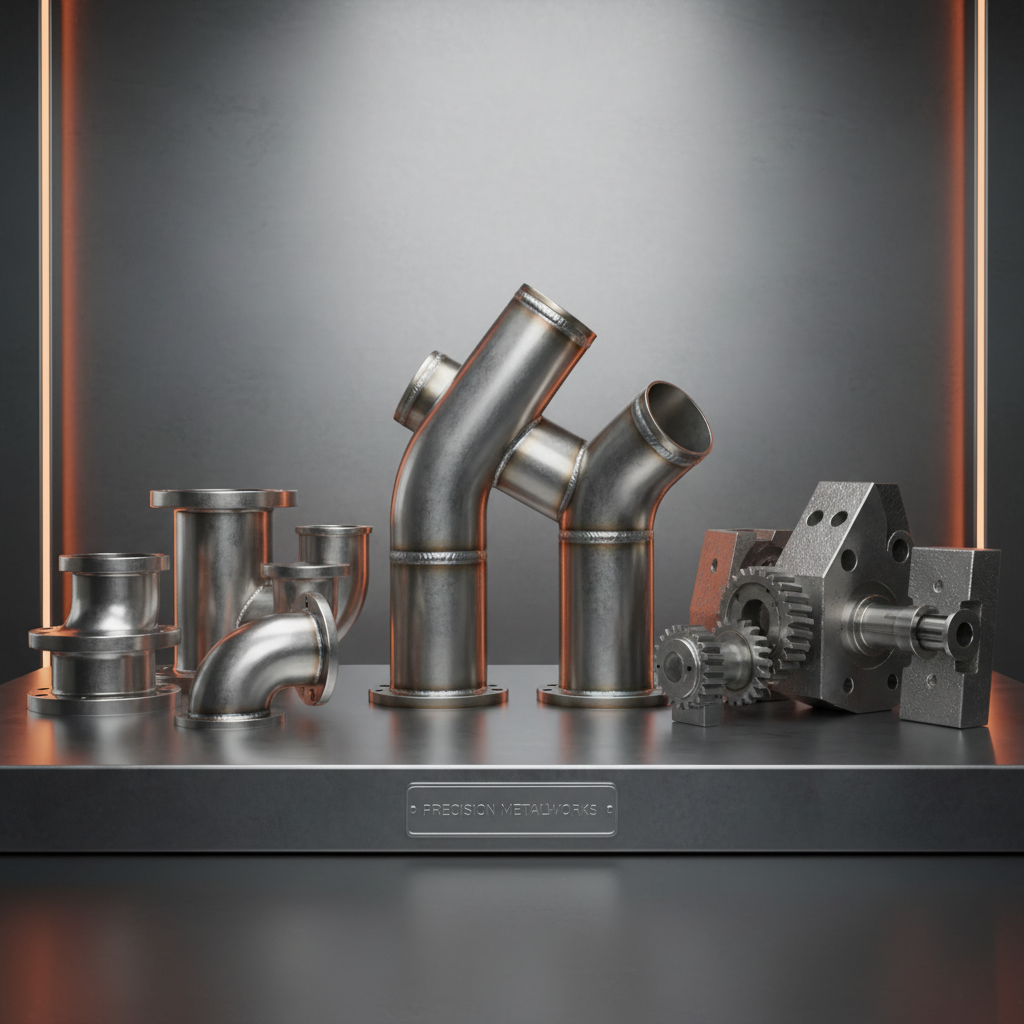
The Core Capabilities of a Leading Precision Mechanical Components Manufacturer
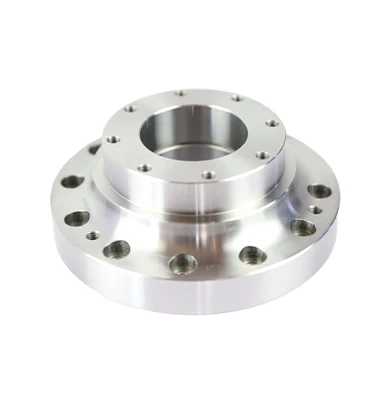
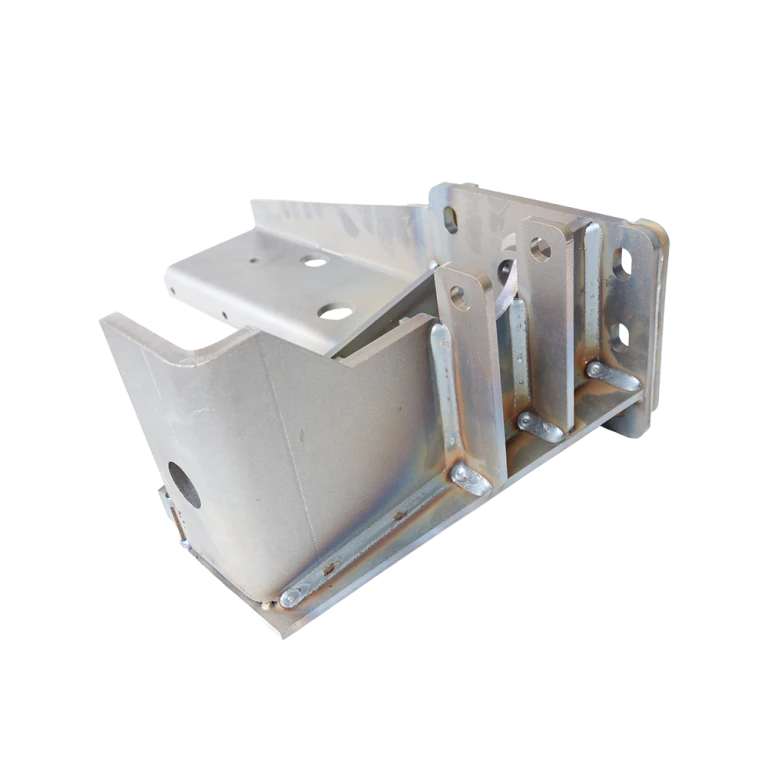
A top-tier precision mechanical components manufacturer does more than just cut metal; they provide comprehensive engineering solutions. This involves a deep understanding of CNC milling, turning, and grinding, coupled with the ability to work with diverse materials ranging from stainless steel and titanium to advanced engineering plastics. The ability to maintain tight tolerances consistently across large production batches is what separates an industry leader from a general machine shop. By utilizing state-of-the-art CAD/CAM software, manufacturers can optimize tool paths to reduce lead times while enhancing the surface finish of every single part produced.
Industry Insight: Modern precision manufacturing now integrates IoT-enabled monitoring, allowing manufacturers to track tool wear in real-time, ensuring that no component deviates from the specified tolerance during a production run.
Material Selection and Quality Control Standards
The integrity of a mechanical component starts with the raw material. A reputable precision mechanical components manufacturer implements a rigorous material verification process, ensuring that every batch of alloy or polymer meets the required chemical and physical specifications. Beyond materials, quality control (QC) is the backbone of precision. From Coordinate Measuring Machines (CMM) to optical comparators, advanced inspection tools are used to verify dimensions. Adherence to international standards such as ISO 9001 ensures that the manufacturing process is documented, repeatable, and focused on continuous improvement.
Precision Component Specifications and Tolerance Comparison
Understanding the levels of precision is key when selecting your manufacturing partner. Different applications require different tolerance levels; for instance, a consumer electronic bracket requires less precision than a surgical implant or a turbocharger turbine. A professional precision mechanical components manufacturer provides clear data on their achievable tolerances to ensure project alignment. The table below illustrates the typical differences between standard machining and high-precision engineering.
Industries Served by a Precision Mechanical Components Manufacturer
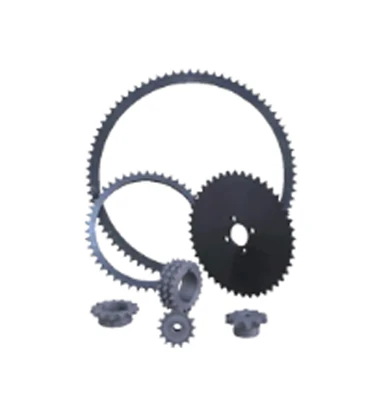
The demand for high-accuracy parts spans across virtually every advanced technological sector. In the medical industry, precision is a matter of life and death; surgical instruments and implants require biocompatible materials and flawless finishes. In the aerospace sector, components must withstand extreme pressures and temperatures while remaining incredibly lightweight. Even in the robotics and automation field, the precision of gears and actuators determines the accuracy of a robot's movement. A versatile precision mechanical components manufacturer adapts their processes to meet the specific regulatory and technical demands of each of these diverse sectors.
The Integration of DFM in Precision Manufacturing
Design for Manufacturing (DFM) is the secret weapon of a successful precision mechanical components manufacturer. DFM is the process of designing parts in a way that makes them easier and more cost-effective to produce without sacrificing quality. By collaborating with the manufacturer during the design phase, engineers can identify potential "bottlenecks"—such as overly tight tolerances in non-critical areas or complex geometries that require expensive custom tooling. This collaborative approach reduces waste, shortens the development cycle, and ensures that the final product is optimized for both performance and cost.
Future Trends: Smart Manufacturing and Sustainable Precision
The future of the precision mechanical components manufacturer is being shaped by Industry 4.0. We are seeing a shift toward hybrid manufacturing, combining additive manufacturing (3D printing) for complex internal geometries with traditional CNC machining for high-precision surfaces. Furthermore, sustainability is becoming a core requirement. Green machining practices, such as the use of biodegradable coolants and energy-efficient machinery, are no longer optional but are becoming competitive advantages. Companies that embrace digital twins and AI-driven predictive maintenance are significantly reducing scrap rates and increasing overall equipment effectiveness (OEE).
Conclusion: Partnering for Engineering Excellence
Selecting a precision mechanical components manufacturer is a strategic decision that impacts your product's quality, cost, and time-to-market. By focusing on a partner that offers advanced technical capabilities, rigorous quality control, and a commitment to DFM, you ensure that your designs are executed with absolute precision. As industries move toward smarter and more sustainable production, choosing a manufacturer that invests in the latest technology will provide you with a sustainable competitive edge in the global market.
Frequently Asked Questions (FAQs)
How do I determine the required tolerance for my mechanical components?
Determining the required tolerance involves analyzing the part's function within the larger assembly. Critical mating surfaces—where two parts fit together—usually require tighter tolerances (e.g., ±0.01mm) to prevent play or interference. Non-critical surfaces can have looser tolerances, which significantly reduces manufacturing costs. We recommend working with your precision mechanical components manufacturer during the design phase to perform a tolerance stack-up analysis, ensuring the assembly works perfectly while keeping production costs optimized.
What materials are best for high-precision mechanical parts?
The best material depends on the application's environment. Stainless steels (like 304 or 316) are excellent for corrosion resistance and strength. Titanium is preferred for aerospace and medical implants due to its strength-to-weight ratio and biocompatibility. For extreme wear resistance, hardened tool steels or tungsten carbide are used. If weight is the primary concern, high-performance polymers like PEEK are often selected. A professional manufacturer will help you balance material properties, machinability, and budget to select the ideal candidate for your specific component.
What is the typical lead time for precision machined components?
Lead times vary based on complexity, material availability, and order volume. Prototyping typically takes 1 to 3 weeks, while full-scale production runs can take 4 to 8 weeks. The lead time is influenced by the number of setups required on the CNC machine and the complexity of the finishing processes (such as anodizing or heat treatment). To shorten lead times, providing complete 3D models and clear technical drawings is essential. Many leading manufacturers now offer expedited services for urgent projects to help clients meet tight market windows.
How does a manufacturer ensure the accuracy of a batch of components?
Accuracy is ensured through a combination of first-article inspection (FAI) and statistical process control (SPC). The manufacturer first produces a single part and verifies every dimension against the drawing using a CMM. Once the first part is approved, they monitor the production run by sampling parts at regular intervals. If the measurements begin to drift toward the edge of the tolerance zone, the operator adjusts the tool offsets. This rigorous approach ensures that the 1,000th part is just as accurate as the 1st part, maintaining consistency across the entire order.