





Comprehensive Guide to Selecting a Premier Mechanical Parts Manufacturer
Choosing the Right Mechanical Parts Manufacturer
In today’s interconnected global marketplace, sourcing high-quality mechanical parts is crucial for businesses across a multitude of industries. Selecting the right mechanical parts manufacturer can significantly impact production efficiency, product reliability, and ultimately, your bottom line. This article explores the key considerations when choosing a manufacturer, highlights the benefits of partnering with a reputable supplier, and showcases how HMIE CMSP stands out as a trusted partner for your mechanical part needs. Finding a reliable partner is essential for long-term success and innovation.
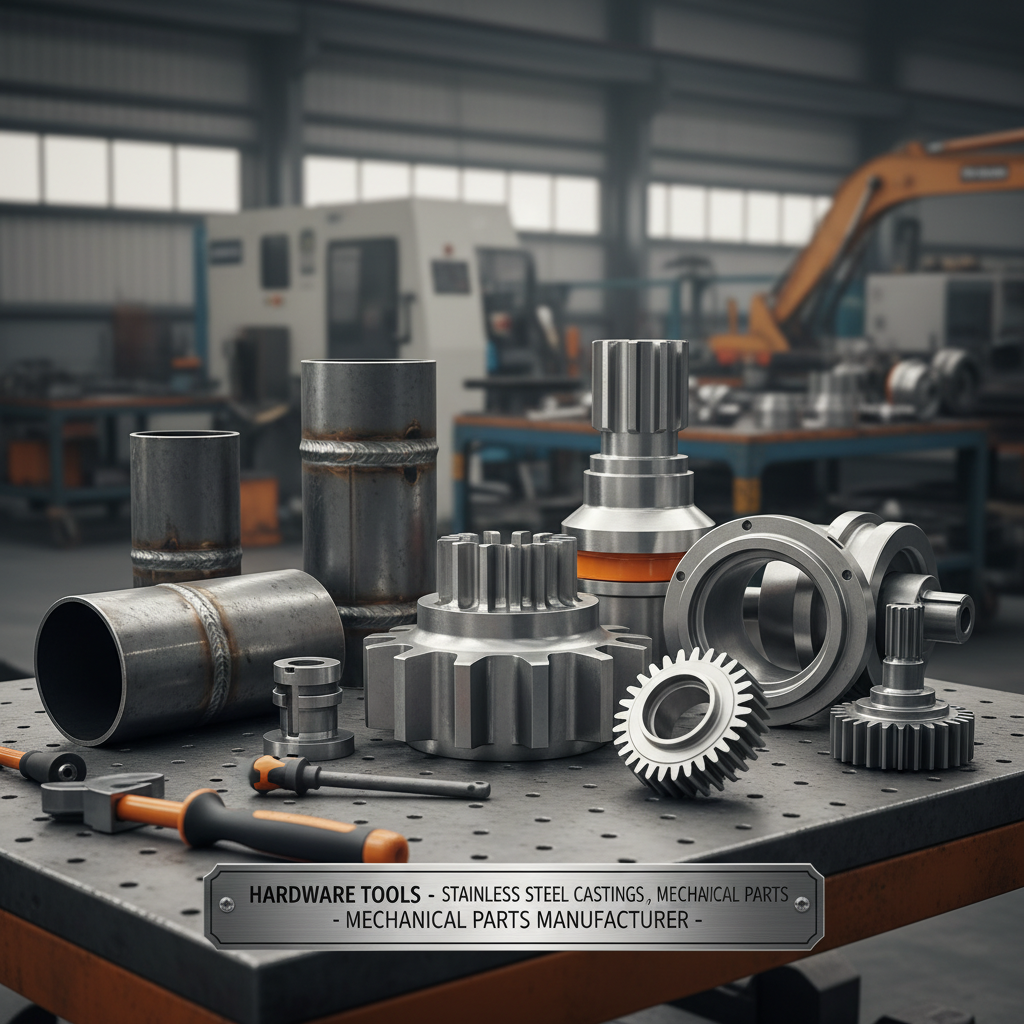
Key Considerations When Selecting a Manufacturer
Before committing to a mechanical parts manufacturer, several factors warrant careful consideration. First and foremost, assess their manufacturing capabilities. Do they have the expertise and equipment to produce the specific parts you require, including the materials, tolerances, and finishes? Next, examine their quality control processes. A robust quality management system (like ISO 9001 certification) ensures consistent product quality and minimizes defects. Additionally, consider their lead times, minimum order quantities (MOQs), and pricing structure. Transparent communication and competitive pricing are essential. Finally, evaluate their communication, responsiveness, and ability to handle complex projects. Effective collaboration is vital for a successful partnership.
Essential Factors: Expertise in materials, Robust quality control, Competitive pricing, and Effective communication.
The Importance of Material Expertise in Mechanical Parts Manufacturing
The selection of the right materials is paramount in mechanical parts manufacturing. Different applications demand different properties – strength, durability, corrosion resistance, and heat resistance are just a few examples. A skilled mechanical parts manufacturer will have extensive knowledge of various materials, including steels, aluminum alloys, plastics, and composites. They can advise you on the best material choices for your specific requirements, optimizing performance and longevity. Furthermore, they should possess the capability to work with different material grades and finishes to meet your precise specifications. This expertise prevents costly errors and ensures optimal functionality.
Material Selection Benefits:
• Optimized part performance
• Enhanced durability and longevity
• Reduced risk of failure
• Cost-effectiveness through material optimization
Comparing Manufacturing Processes: CNC Machining vs. Casting
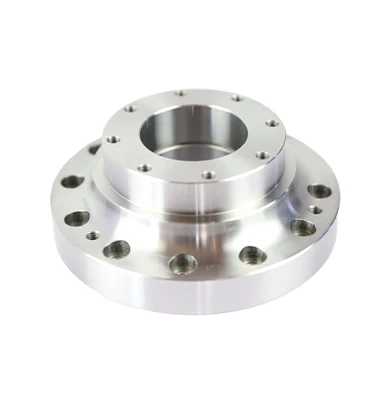
Different manufacturing processes are suited to different types of mechanical parts. Two common methods are CNC machining and casting. CNC machining is ideal for producing precise, complex parts with tight tolerances from a solid block of material. It's typically used for smaller production runs. Casting, on the other hand, involves pouring molten material into a mold. It’s more cost-effective for large production volumes, but may not offer the same level of precision as CNC machining. A versatile mechanical parts manufacturer will offer both options, allowing you to choose the most appropriate process for your needs.
Why Choose HMIE CMSP as Your Mechanical Parts Manufacturer?
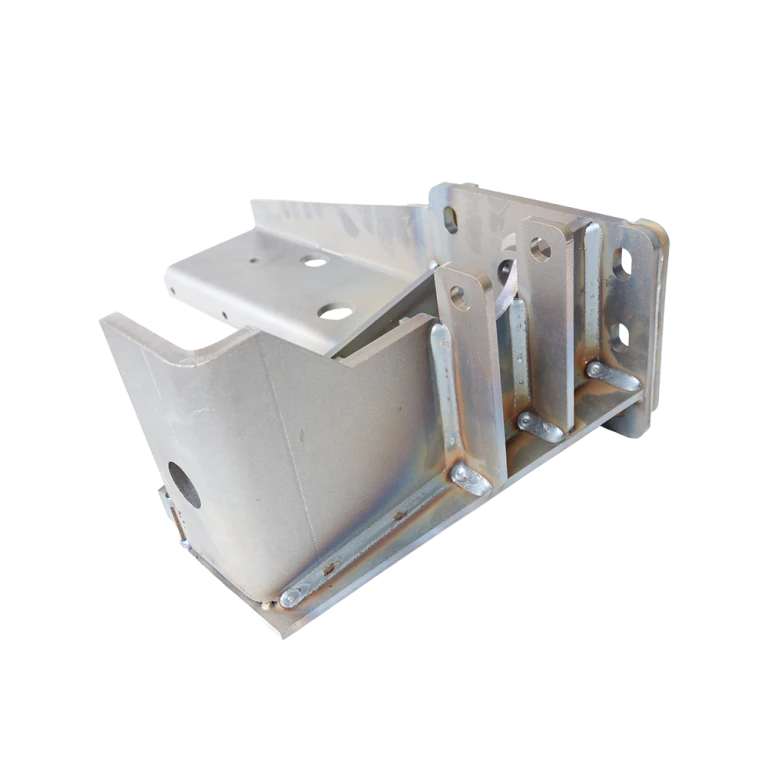
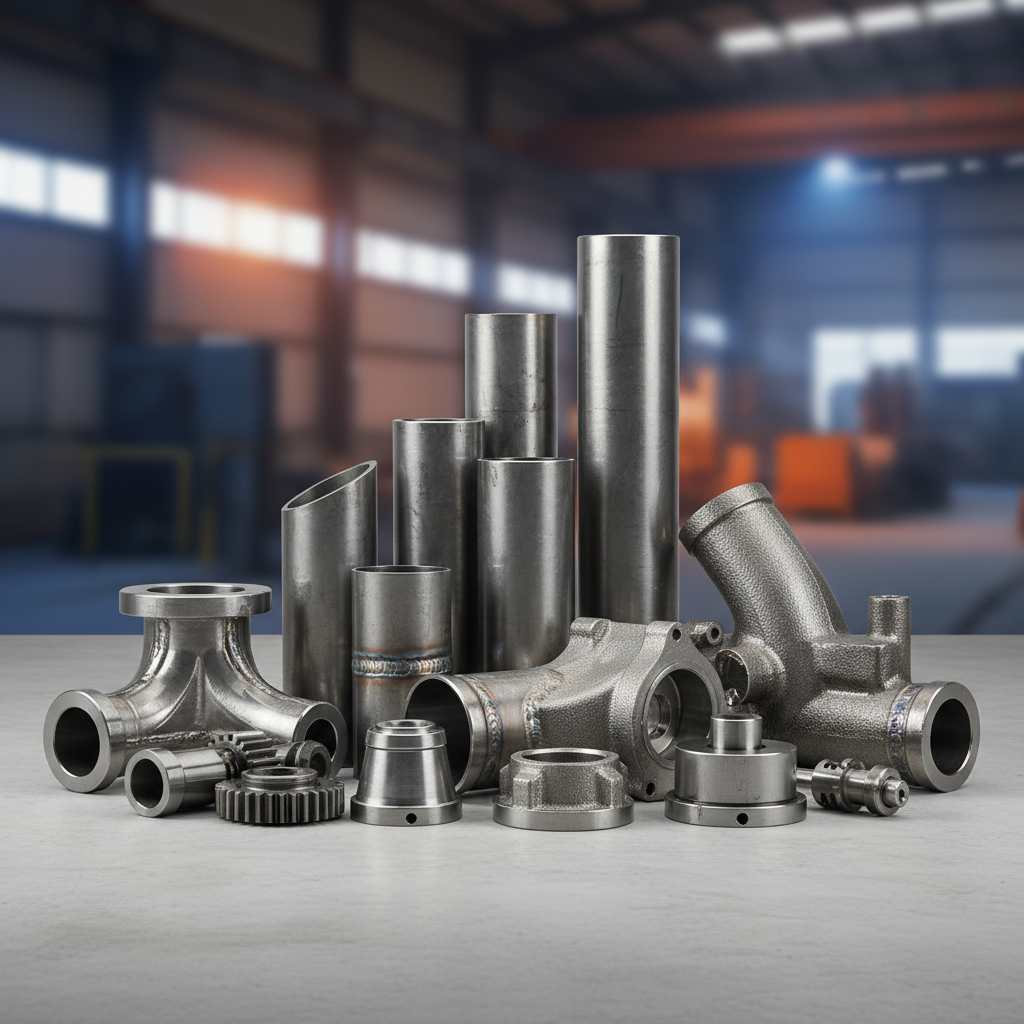
HMIE CMSP is a leading mechanical parts manufacturer dedicated to delivering high-quality, cost-effective solutions to businesses worldwide. We offer a comprehensive range of manufacturing services, including CNC machining, casting, forging, and stamping. Our experienced engineering team works closely with clients to understand their specific requirements and provide customized solutions. We are committed to quality, adhering to stringent quality control standards throughout the entire manufacturing process. With a focus on innovation and customer satisfaction, we strive to exceed expectations.
HMIE CMSP: Technical Capabilities and Certifications
HMIE CMSP boasts state-of-the-art facilities equipped with advanced machinery and staffed by highly skilled technicians. We possess expertise in a wide array of materials, including aluminum, stainless steel, brass, and various plastics. We are ISO 9001 certified, demonstrating our commitment to quality management. Our capabilities include precision machining, rapid prototyping, and surface finishing. We can handle projects of varying complexity and volume, delivering consistent results every time.
Conclusion: Partner with HMIE CMSP for Superior Mechanical Parts
Choosing the right mechanical parts manufacturer is a critical decision that impacts your business’s success. HMIE CMSP provides the expertise, capabilities, and commitment to quality you need. We are dedicated to delivering exceptional value and building long-term partnerships. Contact us today to discuss your project requirements and experience the HMIE CMSP difference.
Frequently Asked Questions (FAQs)
What file formats do you accept for part designs?
We accept a wide range of file formats, including CAD files (STEP, IGES, SolidWorks, AutoCAD, etc.), as well as 2D drawings in PDF or DXF format. We can also work with common image formats to clarify details. Our engineering team can assist with file conversion if necessary. The more detailed and accurate your design files, the smoother the manufacturing process will be. We prioritize clear communication and collaboration throughout the design and manufacturing stages.
What is your typical lead time for mechanical parts?
Lead times vary depending on the complexity of the part, the quantity ordered, and current production schedules. Generally, for standard parts, lead times range from 2-4 weeks. For more complex or custom parts, lead times may be longer. We provide detailed timelines and keep you informed throughout the entire process. We can also expedite production for urgent orders, if feasible. Accurate and timely communication is essential for meeting your deadlines.
Do you offer prototyping services?
Yes, we offer comprehensive prototyping services to help you validate your designs before full-scale production. We utilize various prototyping methods, including CNC machining and 3D printing, to create functional prototypes quickly and cost-effectively. This allows you to identify and address any potential issues early in the development process. Prototyping ensures a smooth transition to mass production and helps optimize your product's performance.
What quality control measures do you have in place?
Quality is our top priority. We adhere to stringent quality control procedures throughout the entire manufacturing process, from raw material inspection to final product testing. We use advanced inspection equipment, including CMMs and optical comparators, to ensure dimensional accuracy. Our ISO 9001 certification demonstrates our commitment to maintaining a robust quality management system. We provide detailed inspection reports and certificates of conformance with every shipment.