






Welded Tubes Price Analysis Versus Alternative Structural Options
Welded Tubes Price Analysis Versus Alternative Structural Options
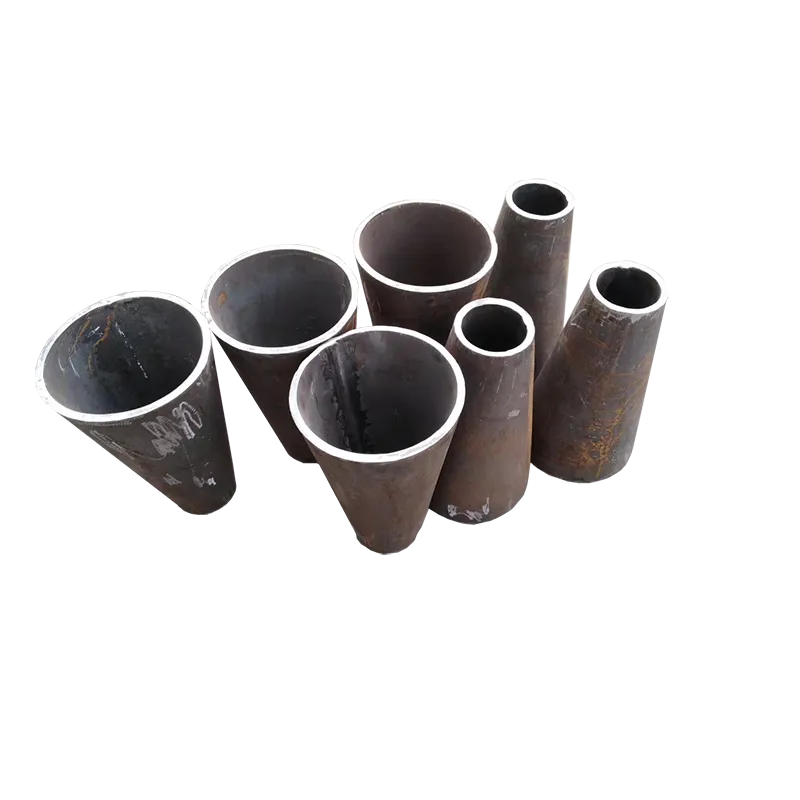
Procuring large-profile tubular components demands an analytical framework that transcends basic spot pricing. Initial base metal expenditures represent only a fraction of the total cost of ownership for infrastructure and fluid transport projects.
Evaluating structural stability across 300 to 1350mm diameters requires balancing fabrication overhead, logistics, and long-term maintenance against upfront capital outlays. Project engineers must weigh delivery schedules and verification protocols to protect operational margins.
Deconstructing Welded Tube Unit Costs: Raw Material Versus Processing
| Size | Price Tier | Suitability for Humid Environments |
|---|---|---|
| 300 to 1350mm | Variable based on order volume | Dependent on protective coating application |
Factoring Inspection Protocols and Testing Into Delivered Project Costs
Financial Impact of Mandatory Inspection Protocols
Delivered project expenditures expand significantly when regulatory frameworks or engineering specifications require rigorous non-destructive examination and dimensional verification. Project budgets absorbing these verification overheads must account for third-party testing agency fees, specialized technician mobilization, and the dwell time associated with physical hold points during component fabrication. Inspection documentation requirements directly shape the ultimate procurement outlay across industrial equipment, power generation, and marine structures sectors. Third-party testing protocols introduce variable line items that scale with the total volume of welded tubes under evaluation, often representing a measurable percentage of the baseline mill gate price. Buyers negotiating large-scale infrastructure orders mitigate these add-on expenses by consolidating testing batches to reduce per-unit verification costs.Managing Material Test Certificate Verification Expenses
Material test certificate verification expenses must be integrated into initial cost forecasting models to prevent downstream budget overruns during project execution. Traceability demands for plate and coil inputs require administrative resources to audit mill test reports against actual physical stamping on 300 to 1350mm profiles.
Structuring Volume-Based Pricing Models Around Total Project Tonnage
Procurement negotiations transition from fragmented spot orders to integrated enterprise agreements when material aggregation is anchored to cumulative milestone targets. Single-order piece counts typically incur maximum surcharge rates due to frequent mill retooling and administrative friction.
Aggregating demand across large-scale infrastructure deployment enables buyers to negotiate advantageous baseline pricing tiers. Tonnage thresholds established at the outset of a supply contract protect project margins against spot market volatility.
| Industry | Application | Size |
|---|---|---|
| construction | structural supports | 300 to 1350mm |
| shipbuilding | marine piping | 300 to 1350mm |
| power generation | fluid transport | 300 to 1350mm |
Tiered discount structures link volume commitments directly to production scheduling efficiencies. Mills allocate continuous production capacity more effectively when total project tonnage is locked into a definitive delivery schedule.
Bulk volume agreements require clear alignment between delivery logistics and storage capabilities at the destination site. Staggered release schedules mitigate inventory carrying costs while preserving the unit price advantages secured through high-tonnage contracting.

Aligning Tiered Milestones with Production Schedules
Contractual commitments divided into predictable fulfillment phases prevent yard congestion and cash flow strain. Manufacturing facilities prioritize scheduled batches that match agreed volume tranches.
Deviations from projected delivery timelines alter the cost economics established in master agreements. Procurement teams evaluate inventory turnover rates against factory output capabilities to sustain pricing stability.
Comparing Welded Tube Economics Against Alternative Structural Conduits
Benchmarking Structural Conduits and Initial Outlays
Alternative structural configurations frequently present different upfront capital expenditure differentials when compared directly against 300 to 1350mm welded tubes. Project engineers evaluating fluid transport options must weigh structural stability against the distinct pricing dynamics of alternative profiles across machinery and construction sectors.
Initial Capital Expenditure Differentials
Procuring alternative framing materials often shifts initial purchasing budgets depending on regional steel plate availability and manufacturing complexity. Fluid transport networks constructed from alternative configurations incur varying initial expenses before accounting for long-term operational wear.
- Structural beams and open-profile channels require different connection methodologies, directly altering installation labor totals.
- Seamless alternatives alter upfront material acquisition costs based on mill sizing limits and production lead times.
- Welded tube configurations optimize material distribution for torsional resistance across structural supports and chassis frameworks.
Procurement Lead Times and Availability Impacts
Manufacturing lead times dictate overall project scheduling across shipbuilding and power generation applications. Production cycles for alternative configurations vary widely depending on mill capacity and order tonnage requirements.
Extended lead times for specialized structural profiles directly impact construction schedules and material staging budgets. Conversely, standardized manufacturing parameters for 300 to 1350mm welded tubes support predictable delivery timelines across industrial equipment sectors.

Evaluating Lifecycle Economics Across Petroleum and Marine Applications
Long-term operational costs in petroleum and natural gas applications depend heavily on how well 300 to 1350mm welded tubes resist internal fluid pressure and external corrosive forces. Asset operators evaluate replacement frequency against initial capital deployment by analyzing wall thickness retention and weld seam integrity over multi-year service cycles.
Assessing Maintenance Trade-Offs in Structural Engineering
Structural engineering projects incorporating large-profile conduits face distinct maintenance intervals dictated by environmental exposure loads and mechanical stress distribution. Corrosion mitigation strategies often involve scheduled inspections and protective coatings that add periodic labor overhead to the baseline maintenance budget.
Load-bearing configurations of 300 to 1350mm welded tubes require careful tracking of fatigue limits across dynamic support frameworks. Maintenance expenditures escalate when access constraints in operational facilities complicate surface treatment renewals or ultrasonic weld testing.
Weighing Durability and Replacement Economics in Marine Construction
Marine construction environments subject structural supports and fluid transport lines to aggressive salt-fog exposure and cyclic tidal action. The durability of 300 to 1350mm welded tubes in these settings dictates whether replacement schedules align with major dry-docking intervals or require more frequent unplanned outages.
Project planners calculate replacement economics by weighing the cost of offshore extraction against the initial material grade selection. High initial investment in corrosion-resistant variants frequently offsets the compounding expenses of premature structural remediation in offshore settings.
Synthesizing Total Cost of Ownership for Large-Diameter Tubular Procurement
Consolidating Cost Variables into a Unified TCO Framework
Total cost of ownership models aggregate base steel acquisition, manufacturing overhead conversion fees, and third-party testing verification into a single comparative metric for 300 to 1350mm infrastructure deployments. Financial auditors rely on these consolidated figures to evaluate whether initial mill gate savings offset long-term maintenance outlays across fluid transport, petroleum, and structural engineering projects.
Purchasing teams utilize comprehensive budget formulas to capture hidden logistical overhead before issuing purchase orders.
| Cost Category | Primary Driver | Financial Impact Factor |
|---|---|---|
| Raw Material | Steel plate or coil spot pricing | Directly correlates with global metal market volatility |
| Conversion | Forming and longitudinal or spiral welding | Scales inversely with total project tonnage and run length |
| Verification | Mandatory inspections and MTC checks | Correlates with project specifications |
Auditing Supplier Quotations Against Traditional Structural Alternatives
Cost estimators audit vendor proposals by isolating raw metal expenses from manufacturing conversion fees across 300 to 1350mm diameters. Comparing delivered project expenditures of welded conduits against alternative structural configurations requires analyzing both initial capital outlays and subsequent maintenance cycles in marine construction or power generation sectors.
When procurement planners audit supplier pricing, specific financial parameters determine overall project viability.
Frequently Asked Questions
Shifting commercial negotiations from single-order piece counts to total project tonnage allows buyers to leverage bulk commitments. Aligning volume discounting structures with tiered milestones across large procurement cycles helps secure more favorable unit price reductions.
Initial capital expenditure differentials depend on manufacturing lead times, availability, and baseline conversion fees. Large-profile welded tubes often present distinct pricing structures compared to alternative configurations when evaluated across petroleum and marine applications.
Long-term durability and replacement economics in marine construction depend heavily on environmental exposure conditions and protective coating maintenance. Engineers weigh these operational trade-offs against upfront structural expenditures to determine total lifecycle costs.
Auditing supplier quotations requires consolidating raw material baseline expenses, manufacturing overhead, and inspection verification fees into a unified model. Buyers examine how production volume tiers and delivery schedules alter final per-ton pricing.
Accurate cost evaluations require submitting project-specific RFQs detailing total tonnage, exact sizing parameters within the 300 to 1350mm range, and mandatory testing protocols. Providing clear volume and destination parameters helps suppliers calculate precise delivery and material costs.
Conclusion
Procurement teams securing 300 to 1350mm welded tubes across heavy industrial sectors require precise tender submissions to avoid margin erosion. Comprehensive cost evaluations depend on detailing volume expectations and verification protocols within initial commercial inquiries.
Submitting structured specifications dictates the accuracy of mill quotations. Total projected tonnage establishes volume discounting brackets before individual mill processing fees are calculated. Required dimensions spanning from 300 to 1350mm must match intended fluid transport or structural support loads without ambiguity.
Mandatory inspection protocols and third-party testing requirements need explicit inclusion in initial tender documents to prevent subsequent change orders. Material test certificate verification and specialized coating specifications directly influence final delivered project budgets. Procurement teams align these technical demands with destination port logistics and seasonal shipping availability to protect delivery schedules.