





Understanding Essential Mechanical System Components for Optimal Performance
Understanding Mechanical System Components: A Comprehensive Guide
Mechanical system components are the building blocks of countless machines and devices we rely on daily. From simple levers to complex engines, these components work in harmony to achieve a desired function. Understanding these components is crucial for engineers, technicians, and anyone involved in the design, maintenance, or operation of mechanical systems. This article provides an in-depth look at essential mechanical system components, their functions, and their applications. Efficient and reliable mechanical systems hinge on the quality and compatibility of these essential parts.
Core Mechanical System Components
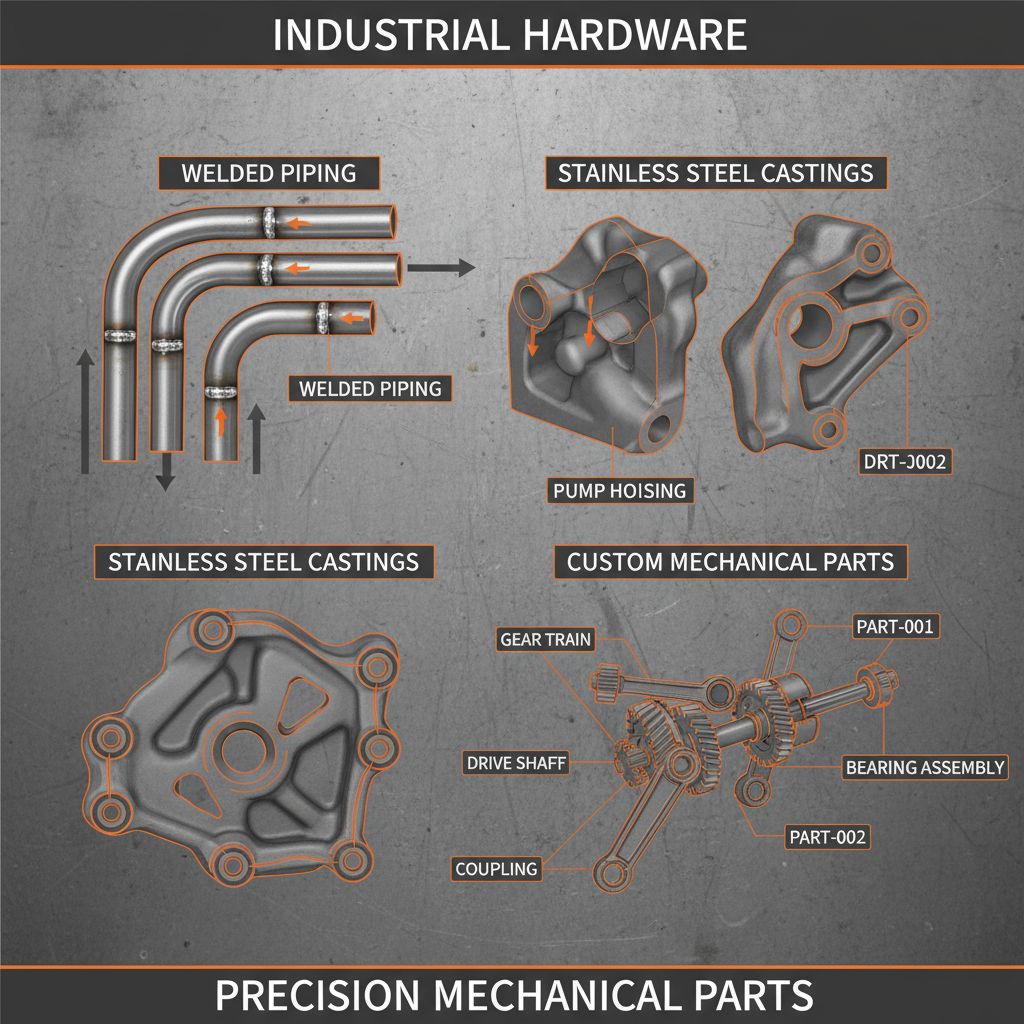
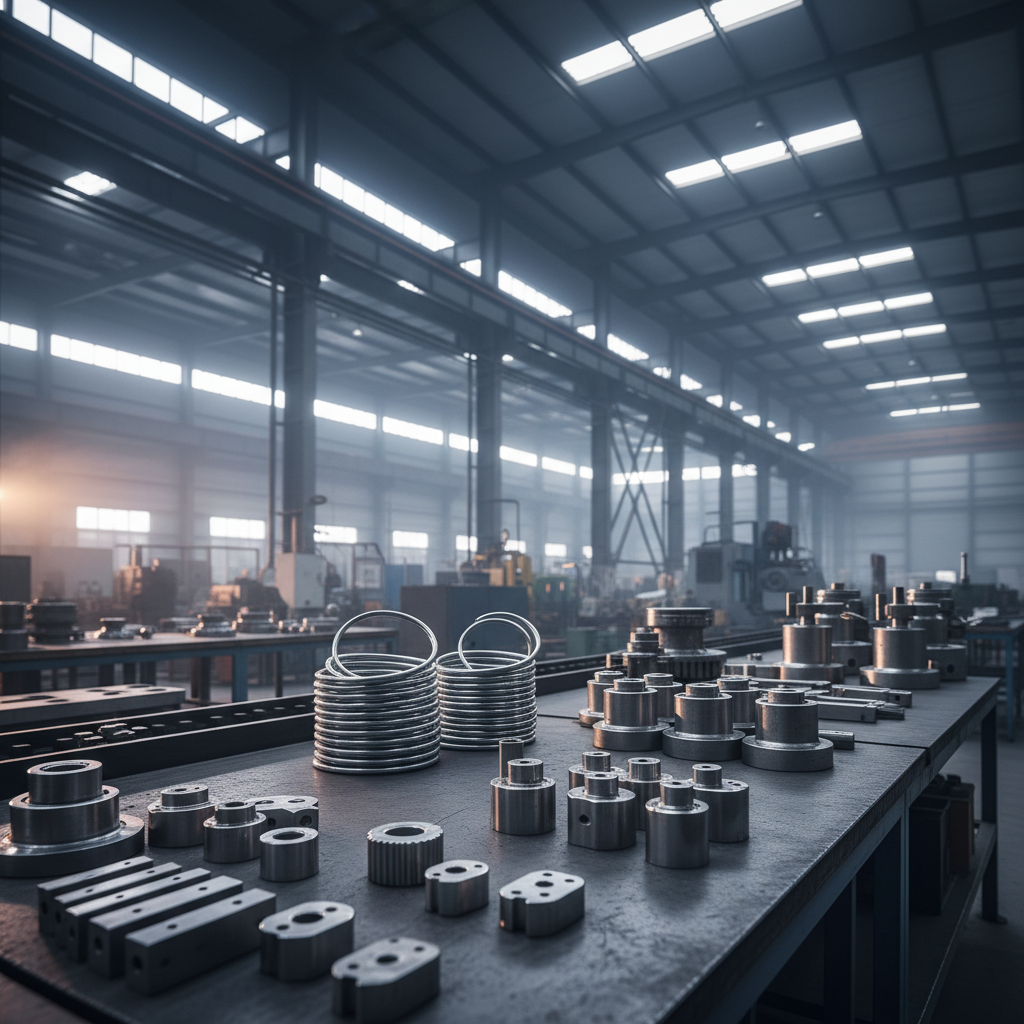
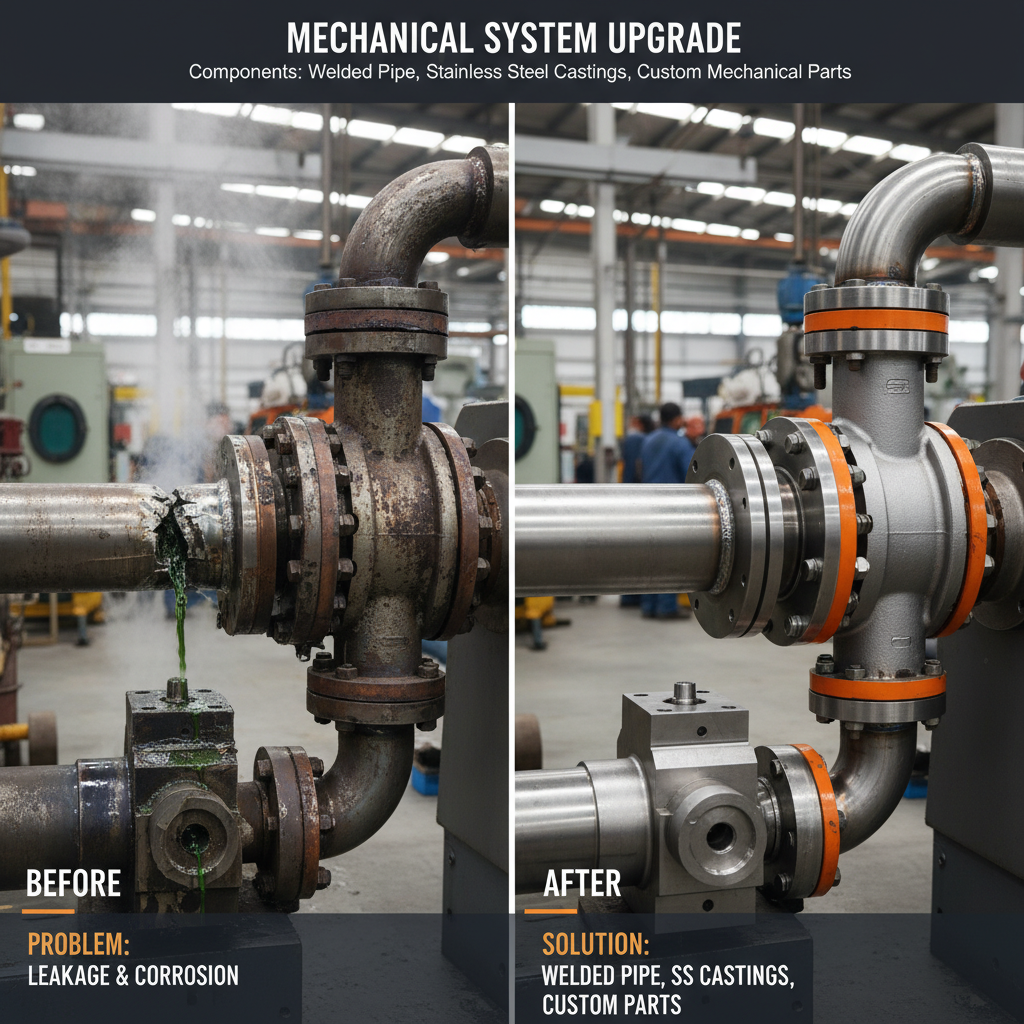
A mechanical system typically consists of several core components. These include gears, bearings, shafts, springs, fasteners, and couplings. Gears are used to transmit rotational motion and change speed or torque. Bearings reduce friction between moving parts. Shafts transmit rotational power. Springs store mechanical energy. Fasteners such as bolts and screws join components together. Couplings connect shafts and allow for some misalignment. The interplay between these components determines the overall performance and efficiency of the system. Selecting the correct component for each application is vital for ensuring longevity and preventing failures.
Key Takeaway: The successful operation of any mechanical system relies on the correct selection and integration of its core components.
Gears: Types and Applications
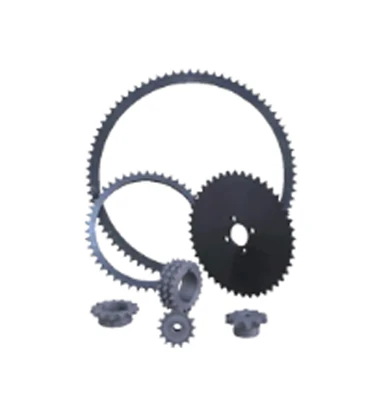
Gears are fundamental components in many mechanical systems. Different types of gears are suited for specific applications. Spur gears are simple and efficient for parallel shaft applications. Helical gears offer smoother and quieter operation. Bevel gears change the direction of rotation. Worm gears provide high torque multiplication. Understanding the characteristics of each gear type is essential for optimal system design. These gears are integral to everything from automobiles and robotics to industrial machinery and consumer appliances.
Gear Type Overview:
• Spur Gears: Parallel shafts, high efficiency.
• Helical Gears: Smoother, quieter operation.
• Bevel Gears: Change rotation direction.
• Worm Gears: High torque multiplication.
Bearings and Shafts: Reducing Friction and Enabling Rotation
Bearings play a critical role in reducing friction between moving parts, allowing for smooth and efficient rotation. Various bearing types exist, including ball bearings, roller bearings, and sleeve bearings. Shafts are responsible for transmitting rotational power from one component to another. Proper shaft design and bearing selection are essential for minimizing wear and tear and maximizing system lifespan. Selecting the appropriate bearing type depends on load, speed, and operating environment. A correctly aligned shaft ensures optimal performance and prevents premature bearing failure.
Advanced Mechanical System Components
Beyond the core components, more advanced systems utilize elements like cams, linkages, and actuators. Cams convert rotational motion into linear motion. Linkages transmit force and motion through a series of connected parts. Actuators convert energy into mechanical motion, often powered by electricity, hydraulics, or pneumatics. These components are crucial for automating processes and creating complex movements. Modern mechanical system components often incorporate smart technologies for monitoring and control.
Selecting the Right Components: A Key to System Success
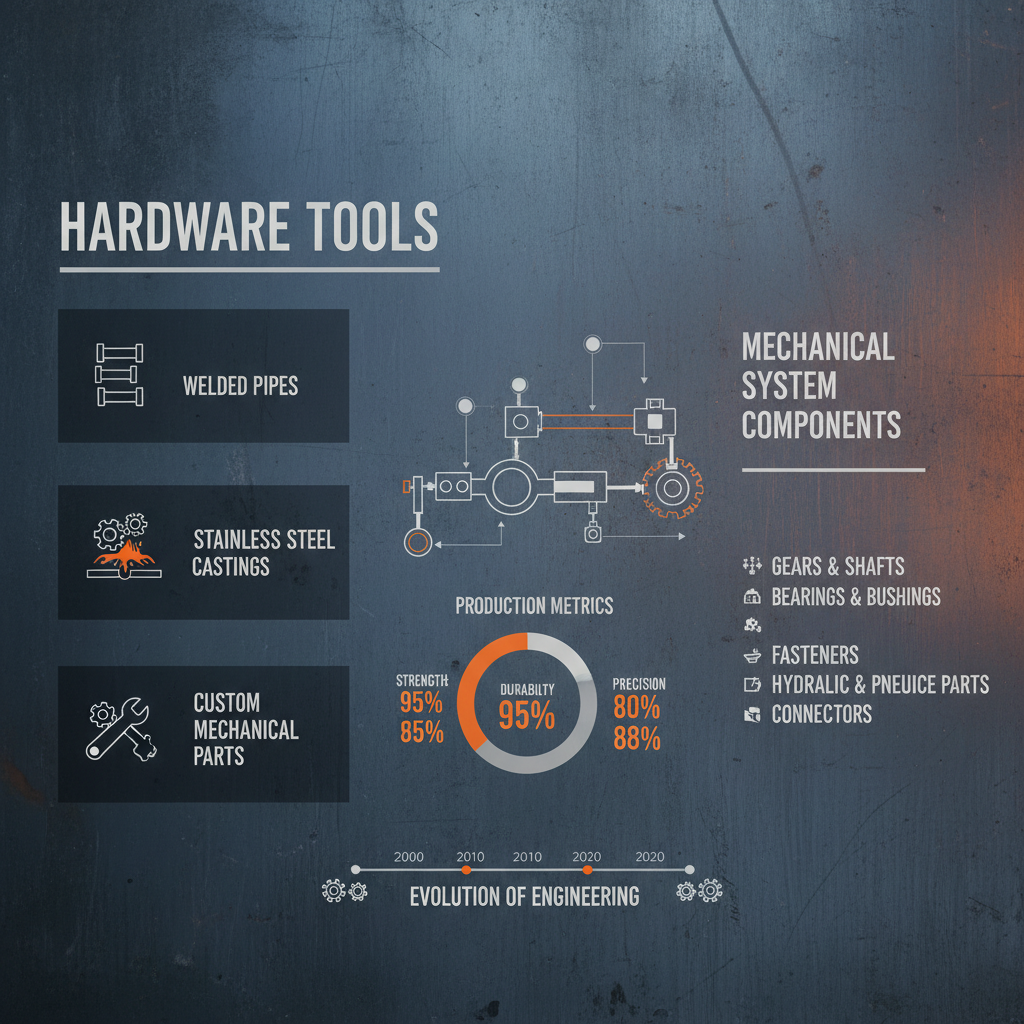
Choosing the correct mechanical system components is paramount for ensuring reliability, efficiency, and longevity. Factors to consider include load requirements, operating speed, environmental conditions, and cost. Consulting with experienced engineers and utilizing robust design software can help optimize component selection. Prioritizing quality and compatibility is essential for preventing failures and minimizing downtime. Proper maintenance and regular inspections are also vital for extending the lifespan of mechanical systems and their components.
Conclusion: The Foundation of Modern Technology
Mechanical system components are the unseen heroes of modern technology. From the simplest machines to the most complex industrial systems, these components work tirelessly to power our world. A thorough understanding of these components and their applications is crucial for anyone involved in the engineering, maintenance, or operation of mechanical systems. By prioritizing quality, compatibility, and proper maintenance, we can ensure the continued reliability and efficiency of these essential building blocks.
Frequently Asked Questions (FAQs)
What materials are commonly used in mechanical system components?
Common materials include steel, aluminum, brass, and various polymers. Steel is favored for its strength and durability, while aluminum offers a lighter weight and corrosion resistance. Brass is often used for bearings and bushings due to its low friction properties. Polymers provide a cost-effective solution for certain applications, offering flexibility and resistance to chemicals. The choice of material depends on the specific application's requirements for strength, weight, corrosion resistance, and cost.
How important is lubrication in mechanical systems?
Lubrication is critically important for reducing friction, minimizing wear, and dissipating heat in mechanical systems. Without proper lubrication, components can seize, overheat, and fail prematurely. Different types of lubricants, such as oils and greases, are used depending on the application. Regular lubrication schedules are essential for maintaining system performance and extending component lifespan.
What are some common causes of mechanical system failures?
Common causes of failure include improper lubrication, misalignment, excessive loads, corrosion, and material fatigue. Regular inspections, preventative maintenance, and adherence to recommended operating parameters can help mitigate these risks. Analyzing failure modes can also provide valuable insights for improving system design and component selection.