





Exploring Precision Mechanical Parts Manufacturing and Their Critical Applications
Precision Mechanical Parts: A Comprehensive Guide
In today's manufacturing landscape, the demand for high-quality precision mechanical parts is ever-increasing. These components are crucial for the functionality and reliability of countless products across diverse industries, from automotive and aerospace to medical devices and electronics. This article delves into the world of precision machining, exploring the key characteristics, manufacturing processes, materials, quality control measures, and applications of these essential parts. Understanding the nuances of precision mechanical components is vital for engineers, designers, and procurement professionals seeking optimal performance and long-term success.
What Defines Precision Mechanical Parts?
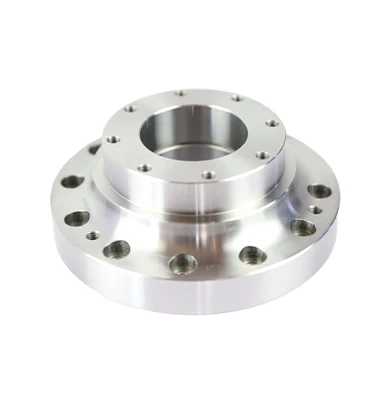
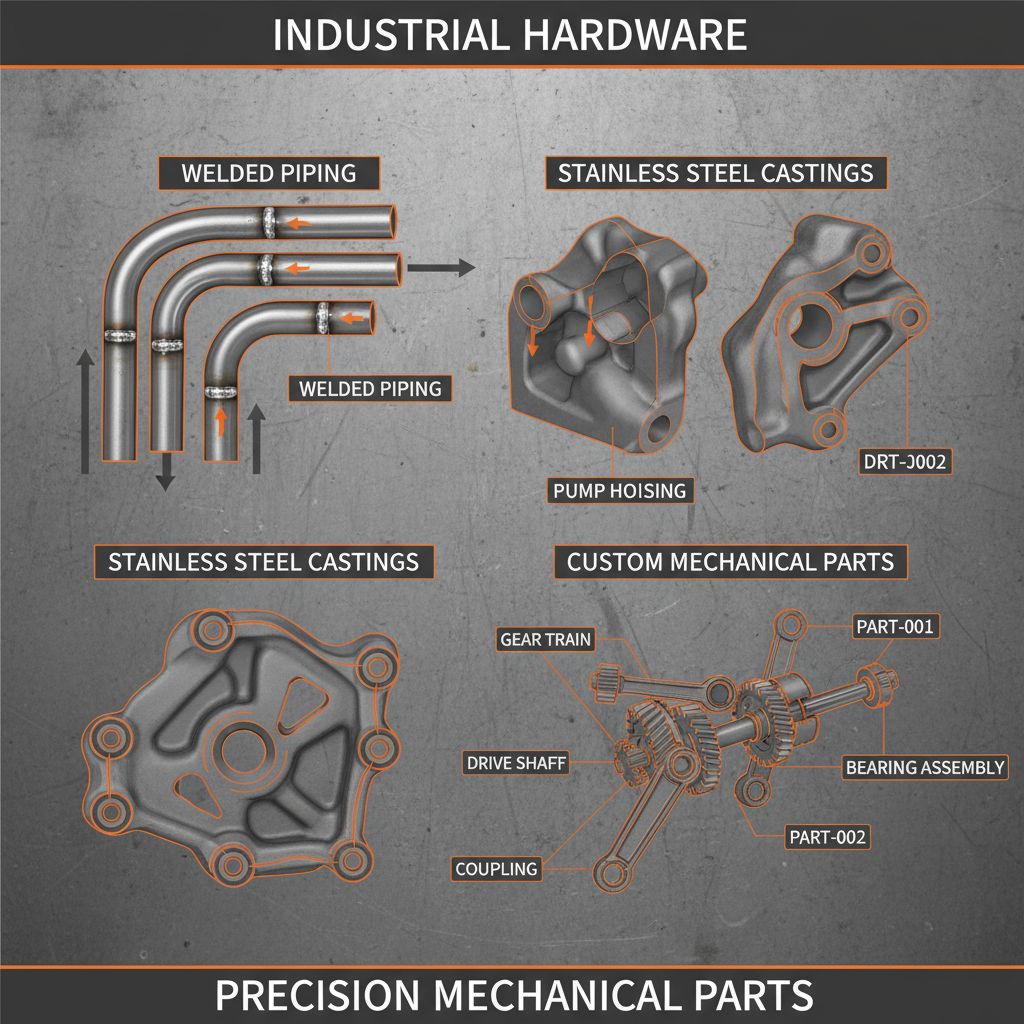
Precision mechanical parts are characterized by their tight tolerances, complex geometries, and high level of accuracy. They are typically manufactured using sophisticated machining processes like CNC milling, turning, and grinding, often requiring specialized equipment and skilled operators. These parts aren’t simply “made”; they’re engineered to meet extremely specific requirements, functioning as critical elements within larger assemblies. The term “precision” implies a level of accuracy that exceeds standard manufacturing capabilities. This precision is crucial for ensuring seamless integration, optimal performance, and minimized risk of failure in final products. The reliance on precision engineered parts ensures consistent quality and functionality.
Key Characteristics: Tight tolerances, complex geometries, high accuracy, specialized materials, and rigorous quality control.
Common Manufacturing Processes for Precision Parts
Several manufacturing processes are employed to create precision mechanical parts. CNC (Computer Numerical Control) machining is the most prevalent, offering exceptional accuracy and repeatability. This includes CNC milling, where rotating cutting tools remove material to shape the part, and CNC turning, which uses a rotating workpiece and a stationary cutting tool. Other techniques include EDM (Electrical Discharge Machining) for creating complex shapes and micro-machining for extremely small components. The choice of process depends on the part's geometry, material, required tolerance, and production volume. HMIECMSP specializes in a range of these processes, ensuring optimal solutions for diverse client needs.
Key Machining Processes:
• CNC Milling
• CNC Turning
• EDM (Electrical Discharge Machining)
• Micro-Machining
Materials Used in Precision Mechanical Parts
The selection of material is paramount when manufacturing precision machined parts. Common materials include various grades of stainless steel, aluminum alloys, titanium, brass, and specialized plastics. The choice depends on the part's intended application, required strength, corrosion resistance, thermal properties, and machinability. For example, aerospace components often utilize titanium alloys due to their high strength-to-weight ratio, while medical devices frequently employ stainless steel for its biocompatibility and sterilizability. Material certification and traceability are also critical aspects of ensuring quality and compliance.
Quality Control: Ensuring Precision and Reliability
Rigorous quality control is integral to the manufacturing of precision mechanical parts. This includes dimensional inspection using Coordinate Measuring Machines (CMMs), visual inspection, material testing, and non-destructive testing methods like ultrasonic or X-ray inspection. Statistical Process Control (SPC) is often employed to monitor and control the manufacturing process, minimizing variations and ensuring consistency. Traceability is also vital, allowing for complete documentation of the manufacturing history of each part. HMIECMSP is committed to maintaining the highest quality standards, utilizing state-of-the-art inspection equipment and adhering to strict quality management systems.
Applications of Precision Mechanical Parts Across Industries
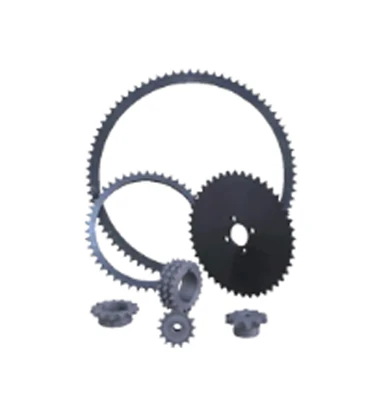
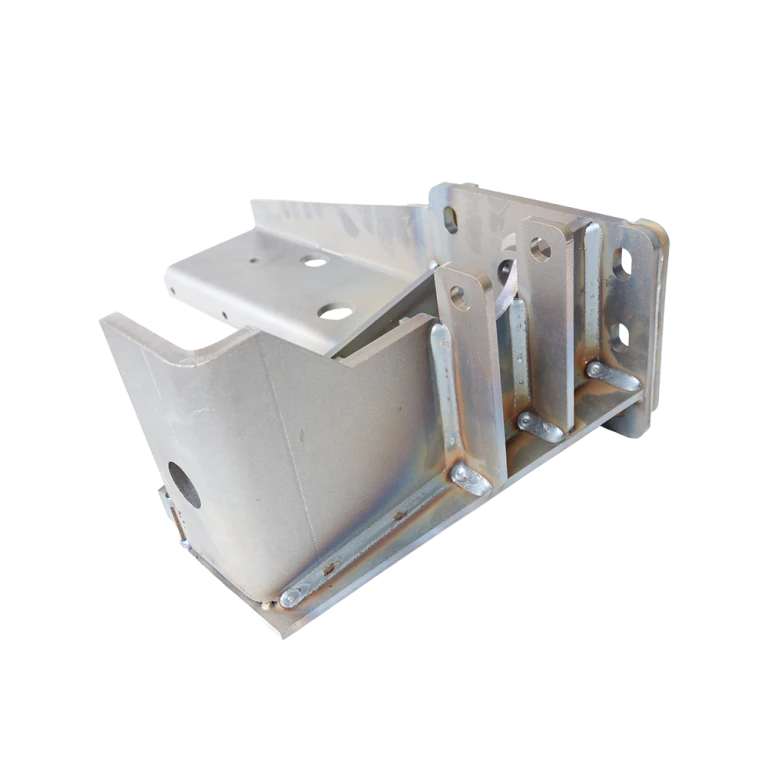
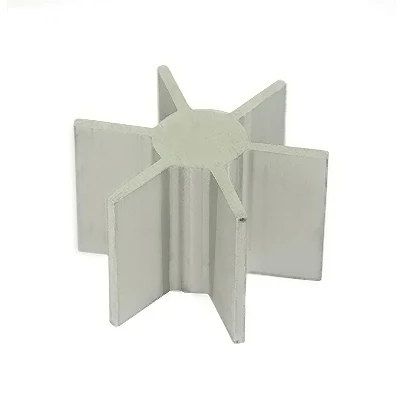
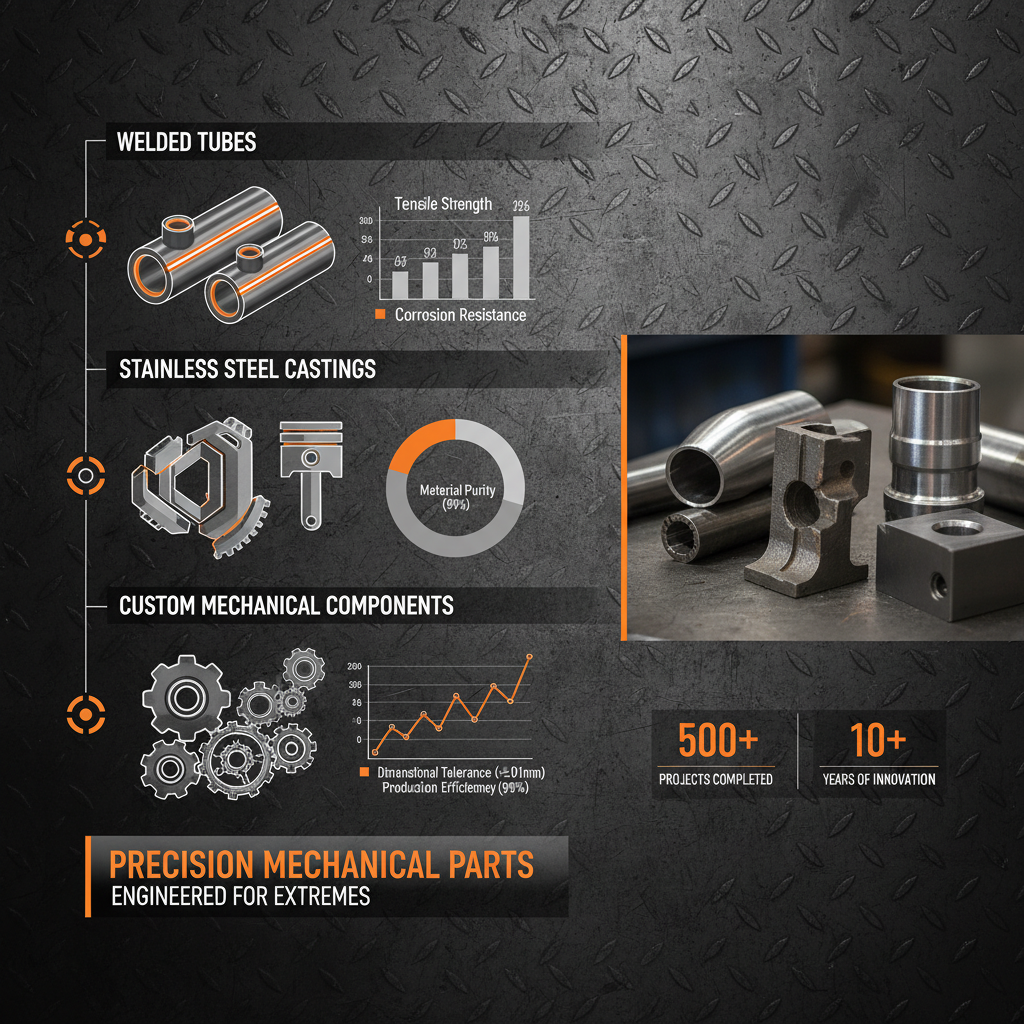
The applications for precision parts manufacturing are incredibly diverse. In the automotive industry, they are used in engine components, transmission systems, and braking systems. Aerospace relies on them for structural components, actuators, and control systems. Medical devices utilize them in surgical instruments, implants, and diagnostic equipment. The electronics industry employs them in connectors, housings, and micro-components. From robotics and automation to energy and defense, these parts are essential for innovation and technological advancement.
Conclusion: The Importance of Precision
Investing in high-quality, precision mechanical parts is crucial for ensuring product performance, reliability, and longevity. Selecting a reputable manufacturing partner, like HMIECMSP, with a proven track record of quality and expertise is essential. By prioritizing precision, companies can achieve optimal results and maintain a competitive edge in today's demanding market.
Frequently Asked Questions (FAQs)
What are typical lead times for precision mechanical parts?
Lead times vary significantly based on part complexity, material availability, and order quantity. Simple parts with readily available materials can often be delivered within 1-2 weeks. More complex parts requiring specialized materials or extensive machining may take 4-8 weeks, or even longer. Factors such as post-processing requirements (e.g., surface finishing, heat treatment) also affect lead times. Communicating your project requirements clearly and proactively with your manufacturer is crucial for obtaining accurate lead time estimates. HMIECMSP prides itself on efficient project management and strives to meet customer deadlines.
What file formats do you accept for part designs?
We accept a wide range of file formats for part designs, including .STL, .STEP, .IGES, .DXF, and native CAD files from popular software packages like SolidWorks, AutoCAD, and Creo. We recommend using .STEP or .IGES for neutral file formats, as they preserve geometric information accurately. Clear and complete design documentation, including dimensions, tolerances, and material specifications, is essential for ensuring accurate manufacturing.
Do you offer design assistance for precision parts?
Yes, HMIECMSP offers design assistance services to help customers optimize their parts for manufacturability and cost-effectiveness. Our experienced engineers can provide valuable insights into material selection, tolerance analysis, and design modifications to ensure a successful outcome. We can work with you from the initial concept stage to refine your design and prepare it for production.
What quality certifications does your facility hold?
We are committed to maintaining the highest quality standards and hold [Insert specific certifications here, e.g., ISO 9001, AS9100]. These certifications demonstrate our adherence to rigorous quality management systems and our commitment to continuous improvement. We are regularly audited to ensure compliance and maintain the integrity of our processes.