



Understanding the various types of mechanical parts is crucial in modern engineering and manufacturing. From the simplest fasteners to complex gear systems, these components are the building blocks of nearly every machine and structure we rely on daily. The global demand for efficient and reliable mechanical parts drives continuous innovation and refinement in materials, design, and manufacturing processes, making a comprehensive grasp of these elements paramount for professionals and enthusiasts alike.
The economic impact of types of mechanical parts is substantial. The global mechanical power transmission market, for instance, was valued at USD 53.87 billion in 2023 and is projected to reach USD 73.69 billion by 2032 (Source: Fortune Business Insights). This illustrates the sheer scale and continued growth of the industry. Proper selection, maintenance, and understanding of these parts are fundamental for minimizing downtime, optimizing performance, and ensuring safety across a wide spectrum of applications.
Beyond economic considerations, the effective use of mechanical parts contributes to advancements in diverse fields such as renewable energy, medical technology, and sustainable infrastructure. Addressing challenges related to resource scarcity, environmental impact, and societal needs increasingly relies on intelligent design and application of appropriate mechanical components.
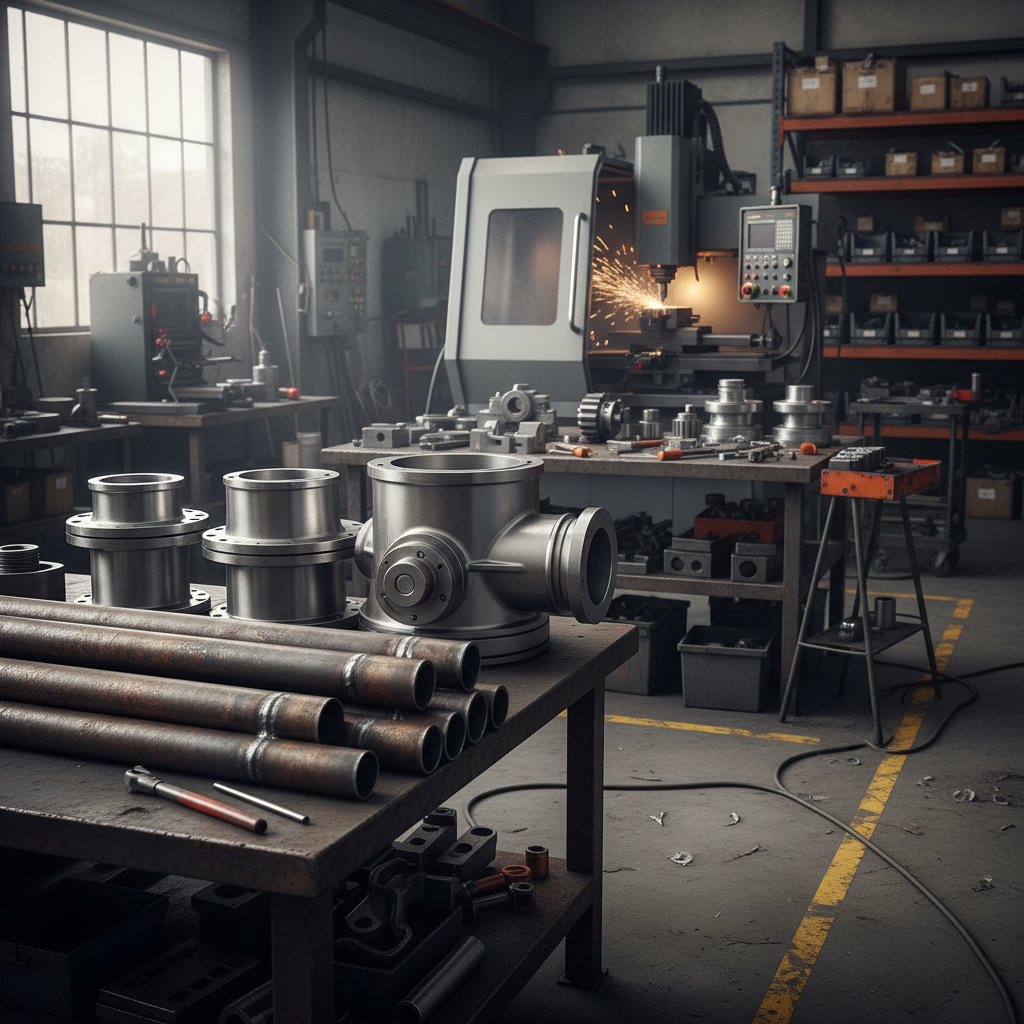
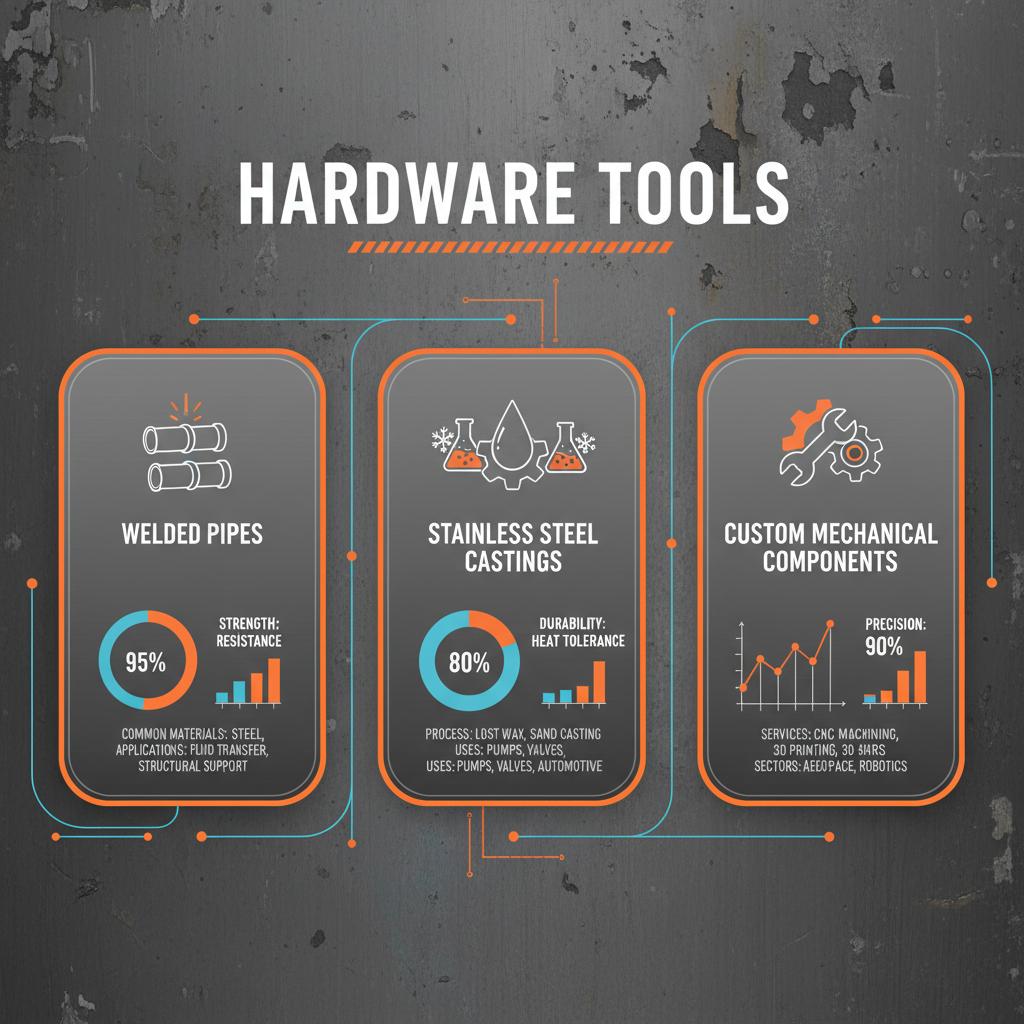
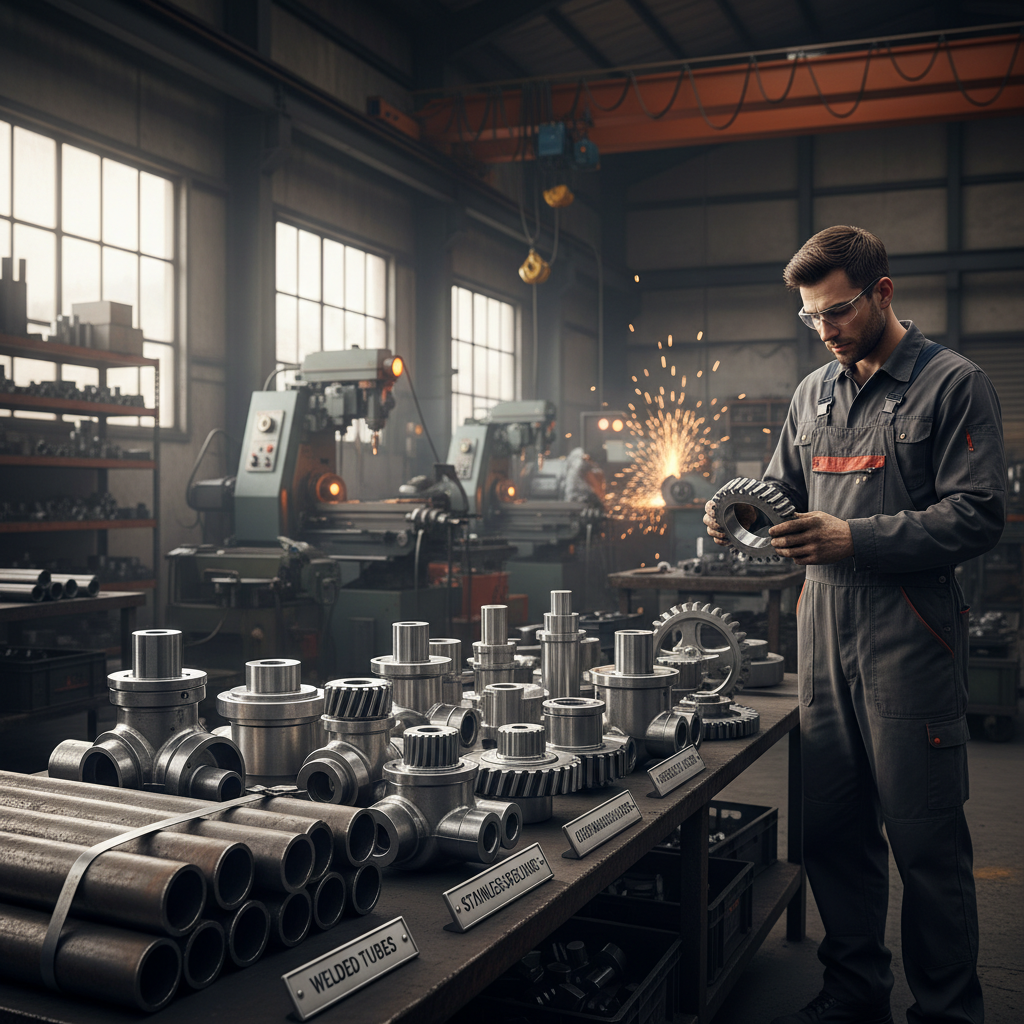
Types of mechanical parts encompass a vast array of components designed to generate, control, and transmit motion. These parts can be broadly categorized based on their function, such as fasteners (bolts, screws), power transmission elements (gears, belts), bearings, springs, and housings. Understanding the nuances of each type is critical for selecting the optimal solution for a given application.
The selection of the correct types of mechanical parts is influenced by several factors including load requirements, operating environment, desired lifespan, and cost constraints. Advancements in materials science and manufacturing techniques continue to broaden the possibilities and improve the performance of these essential components.
The most prevalent materials include various grades of steel (carbon steel, stainless steel), aluminum alloys, brass, and polymers. Selection is heavily dictated by application demands – steel excels in high-stress scenarios, while aluminum offers a lightweight solution. Polymers are valued for their corrosion resistance and versatility. Increasingly, composite materials are finding niche applications where high strength-to-weight ratios are paramount.
Choosing the right bearing necessitates considering factors like load type (radial, axial, or combined), operating speed, environmental conditions, and required precision. Ball bearings are suitable for high-speed, light-load applications. Roller bearings excel in handling heavier loads. Thrust bearings are designed for axial loads. Sleeve bearings offer simplicity but may have higher friction. Proper lubrication is always critical.
Heat treatment fundamentally alters the mechanical properties of a part. Processes like hardening, tempering, and annealing enhance strength, ductility, toughness, and wear resistance. For example, hardening increases strength but reduces ductility, while tempering balances these characteristics. Properly applied heat treatment is vital for ensuring components meet performance requirements.
Surface finish significantly impacts friction, wear, and corrosion resistance. A smoother surface reduces friction, extending component life and improving efficiency. Specific surface treatments like polishing, plating, or coating can enhance these properties further. The required surface finish depends on the application – tighter tolerances demand higher precision surface control.
CAD/CAM software streamlines the design and manufacturing process. CAD (Computer-Aided Design) allows for precise 3D modeling and simulation. CAM (Computer-Aided Manufacturing) translates the design into machine instructions for automated manufacturing. This results in reduced errors, faster turnaround times, and optimized part designs. Digital prototyping capabilities minimize costly physical iterations.
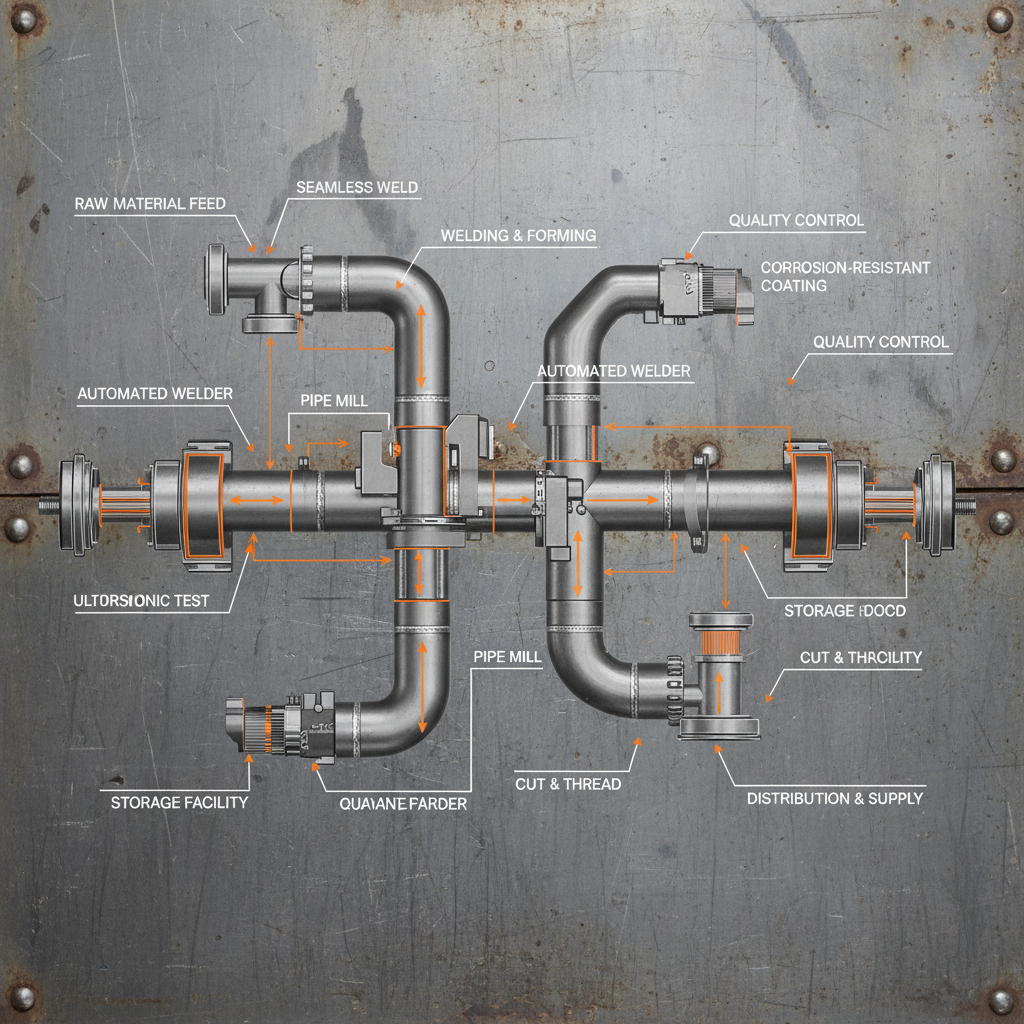
Establishing a robust quality control process is crucial. This includes verifying material certifications, conducting dimensional inspections, performing non-destructive testing (NDT) like ultrasonic or X-ray inspection, and implementing a supplier qualification program. Thorough documentation and traceability are essential for identifying and addressing potential issues. A well-defined acceptance criteria is also key.
In conclusion, a thorough understanding of types of mechanical parts is fundamental for success across a wide range of industries. From material selection and precision manufacturing to future trends like additive manufacturing and digital twins, the field is constantly evolving. Optimizing these components translates into enhanced performance, reduced costs, and increased reliability.
Looking ahead, continued innovation in materials science, manufacturing processes, and simulation technologies will further expand the possibilities and drive the development of even more efficient and sustainable mechanical systems. We encourage you to explore the latest advancements and consider how these insights can benefit your own projects. Visit our website at www.hmiecmsp.com to learn more about our comprehensive range of mechanical parts and solutions.