





Choosing Reliable Mechanical Parts Manufacturing Companies For Your Business Needs
Mechanical Parts Manufacturing Companies: A Comprehensive Guide
In today's globalized economy, sourcing reliable mechanical parts manufacturing companies is crucial for businesses across diverse industries. From automotive and aerospace to medical devices and industrial machinery, the demand for precision-engineered components continues to rise. This article will explore key factors to consider when selecting a manufacturing partner, highlighting the benefits of working with experienced and capable companies. We'll also delve into current trends and technologies shaping the future of mechanical parts production. Choosing the right partner can significantly impact product quality, lead times, and overall costs.
Key Considerations When Selecting a Mechanical Parts Manufacturer
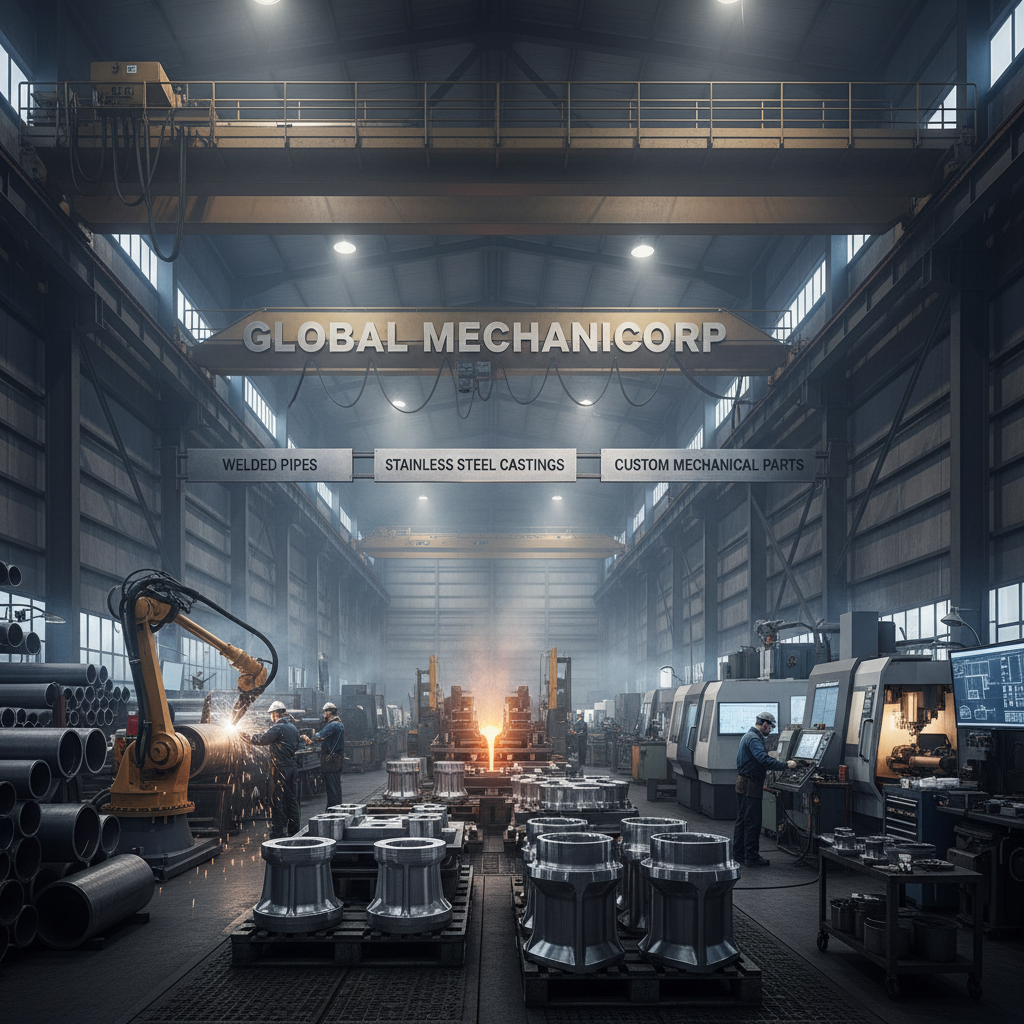
Selecting the right mechanical parts manufacturing company requires careful evaluation. Key factors include their capabilities (CNC machining, casting, forging, etc.), material expertise, quality control processes, and geographical location. Understanding your specific part requirements – including tolerances, materials, and production volume – is essential. Furthermore, consider their experience working with similar projects and their commitment to meeting deadlines. A strong manufacturer will also offer value-added services such as design assistance, prototyping, and assembly.
Manufacturing Processes: CNC Machining, Casting, and More
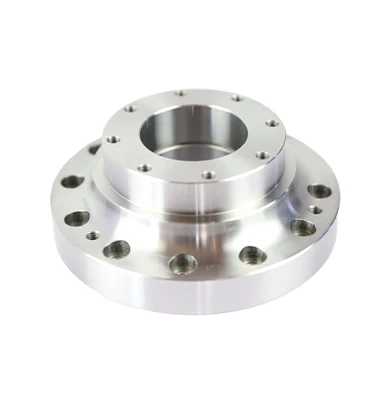
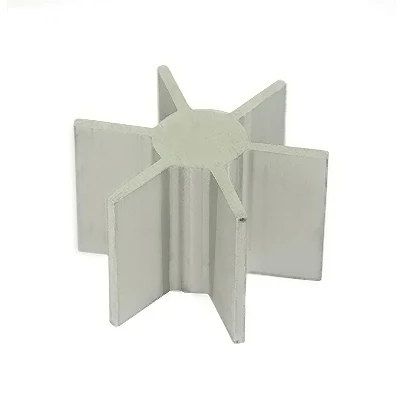
Different manufacturing processes are suited for different types of mechanical parts. CNC machining is ideal for creating precise, complex shapes from a variety of materials. Casting offers cost-effective production of complex geometries, particularly for high volumes. Forging provides superior strength and durability, making it suitable for critical components. Other processes include stamping, extrusion, and injection molding. A versatile mechanical parts manufacturing company should offer a range of capabilities to meet diverse needs. Understanding these processes allows for optimized part design and cost-effective production.
Key Processes: CNC Machining, Casting, Forging, Stamping, Extrusion, Injection Molding. Each process offers unique advantages in terms of cost, precision, and material suitability.
Material Expertise: Selecting the Right Material for Your Application
Choosing the correct material is paramount to the performance and longevity of mechanical parts. Common materials include various grades of steel, aluminum, stainless steel, brass, and plastics. Factors to consider include strength, weight, corrosion resistance, temperature tolerance, and cost. A competent mechanical parts manufacturing company will have extensive material knowledge and can advise on the best options for your specific application. They should also be capable of working with specialized materials like titanium or high-performance alloys.
Common Materials Used:
• Steel (Various Grades)
• Aluminum (Various Alloys)
• Stainless Steel (304, 316, etc.)
• Brass
• Plastics (ABS, Nylon, Polycarbonate)
Quality Control & Certifications for Mechanical Parts Manufacturers
Robust quality control is non-negotiable when selecting a mechanical parts manufacturing company. Look for companies with certifications like ISO 9001, demonstrating a commitment to quality management systems. Inspection processes should include dimensional checks, material verification, and functional testing. Advanced techniques like CMM (Coordinate Measuring Machine) and non-destructive testing (NDT) ensure parts meet stringent requirements. A proactive quality control approach minimizes defects and ensures customer satisfaction.
The Future of Mechanical Parts Manufacturing: Automation & Industry 4.0
The mechanical parts manufacturing industry is undergoing a significant transformation driven by automation and Industry 4.0 principles. Technologies like robotics, artificial intelligence (AI), and the Internet of Things (IoT) are streamlining processes, improving efficiency, and enhancing quality control. Smart factories leverage real-time data analytics to optimize production schedules, predict maintenance needs, and reduce waste. Mechanical parts manufacturing companies embracing these technologies are better positioned to meet the evolving demands of the market.
Conclusion: Partnering for Success
Choosing the right mechanical parts manufacturing company is a strategic decision that impacts your product quality, cost, and time to market. By carefully evaluating capabilities, material expertise, quality control processes, and technological advancements, you can find a partner that supports your long-term success. HMIECMSP is dedicated to providing high-quality, precision-engineered mechanical parts to meet your specific needs.
Frequently Asked Questions (FAQs)
What is the typical lead time for custom mechanical parts?
Lead times vary significantly depending on part complexity, material requirements, and production volume. Simple parts with readily available materials may have lead times of a few weeks, while complex parts requiring specialized materials and tooling can take several months. Factors like design revisions, prototyping, and quality control also contribute to the overall lead time. Transparent communication with your mechanical parts manufacturing company is crucial for establishing realistic expectations and managing project timelines. HMIECMSP is committed to providing accurate lead time estimates and proactive updates throughout the production process.
Can you handle both small-batch and large-scale production runs?
Yes, a flexible mechanical parts manufacturing company should be equipped to handle both small-batch prototyping and large-scale production runs. Small batches are ideal for testing designs and validating functionality, while large-scale production benefits from economies of scale. The ability to seamlessly transition between different production volumes is a key advantage. HMIECMSP offers scalable manufacturing solutions to accommodate varying customer needs.
Do you offer design assistance and engineering support?
Many experienced mechanical parts manufacturing companies offer design assistance and engineering support services. This can include design for manufacturability (DFM) analysis, material selection guidance, and prototyping support. Collaborating with a manufacturer early in the design process can optimize part design for cost-effectiveness and manufacturability. HMIECMSP has a team of experienced engineers available to assist with your project from concept to completion.
What are your shipping capabilities?
Reputable mechanical parts manufacturing companies have established shipping logistics to serve customers worldwide. They work with reliable freight forwarders to ensure timely and secure delivery. Factors like shipment size, destination, and urgency influence shipping costs and timelines. It’s important to discuss shipping options and requirements with the manufacturer to find the most cost-effective and efficient solution. HMIECMSP provides comprehensive shipping solutions to meet the diverse needs of our global clientele.