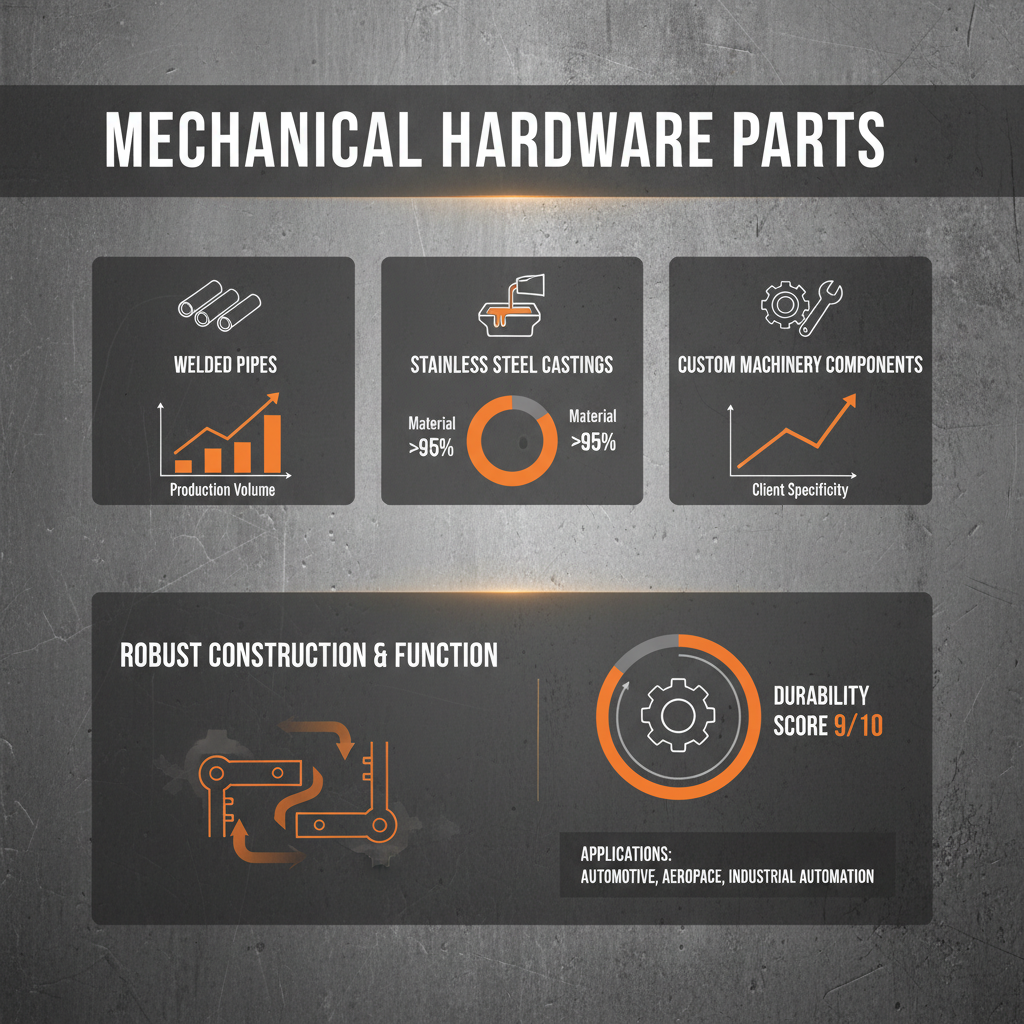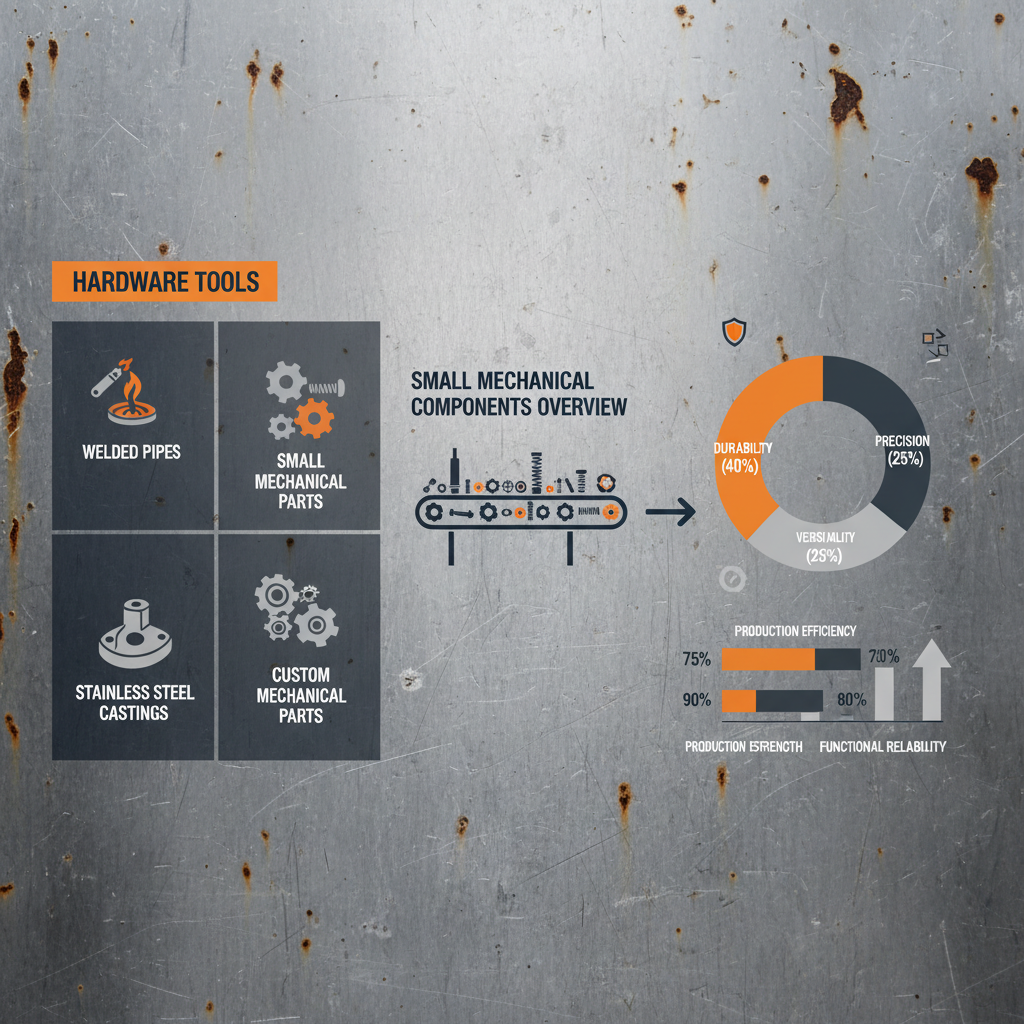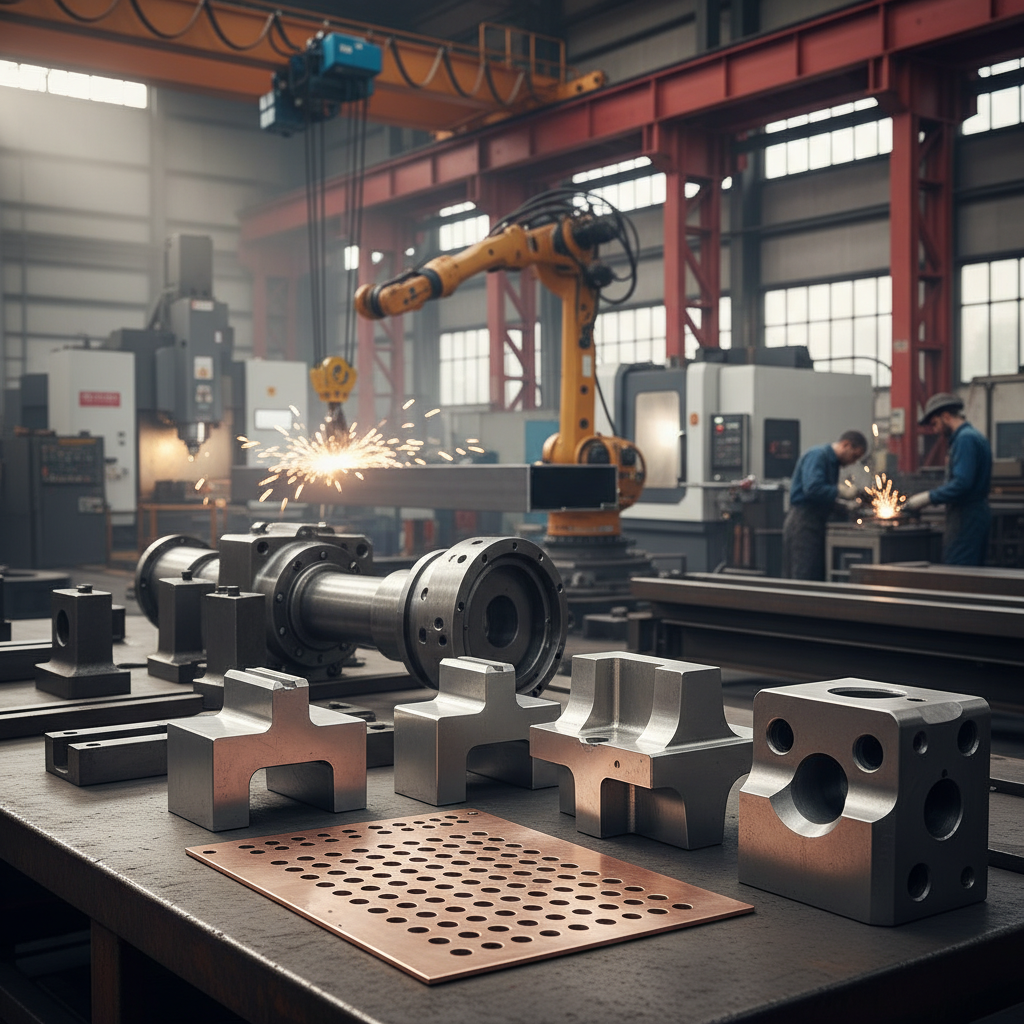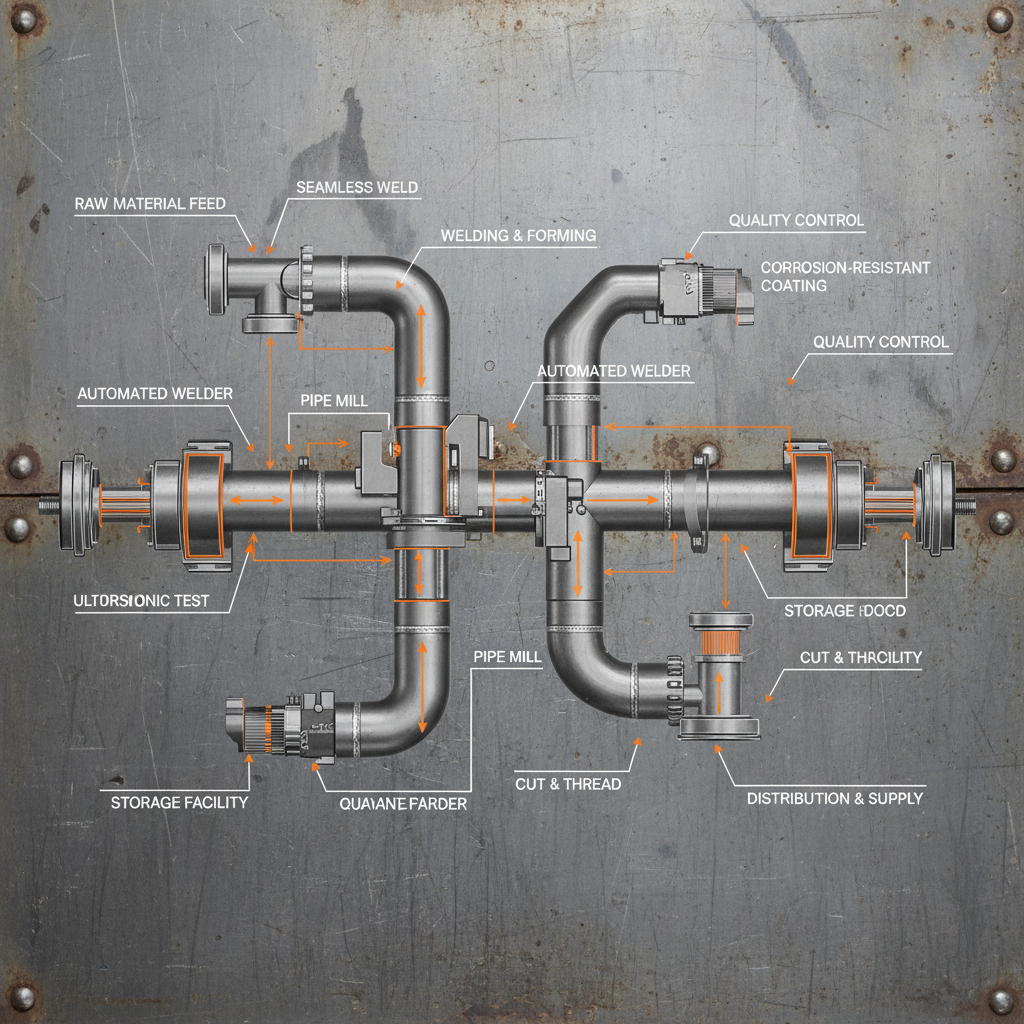




Mechanical parts manufacturers are the backbone of countless industries worldwide, providing essential components for everything from automotive and aerospace to medical devices and consumer goods. Their expertise lies in the precision fabrication of these parts, ensuring they meet stringent quality standards and specifications. Understanding the capabilities and advancements within this sector is crucial for businesses seeking reliable supply chains and innovative product development. The global demand for these parts continues to grow, fueled by increasing industrialization and technological innovation.
The relevance of mechanical parts manufacturers extends beyond economic growth; it's intertwined with sustainability, safety, and overall societal progress. Efficiently manufactured components contribute to reduced waste, improved product performance, and enhanced reliability, ultimately benefiting end-users and minimizing environmental impact. As industries strive for greater efficiency and resilience, the role of these manufacturers becomes increasingly critical.
The modern mechanical parts manufacturing landscape is characterized by a shift towards advanced technologies like CNC machining, 3D printing, and automation. This evolution enables the production of complex geometries with greater precision and speed, while also reducing costs and improving scalability. Consequently, a thorough grasp of these trends is vital for anyone operating within or reliant upon these essential manufacturing processes.
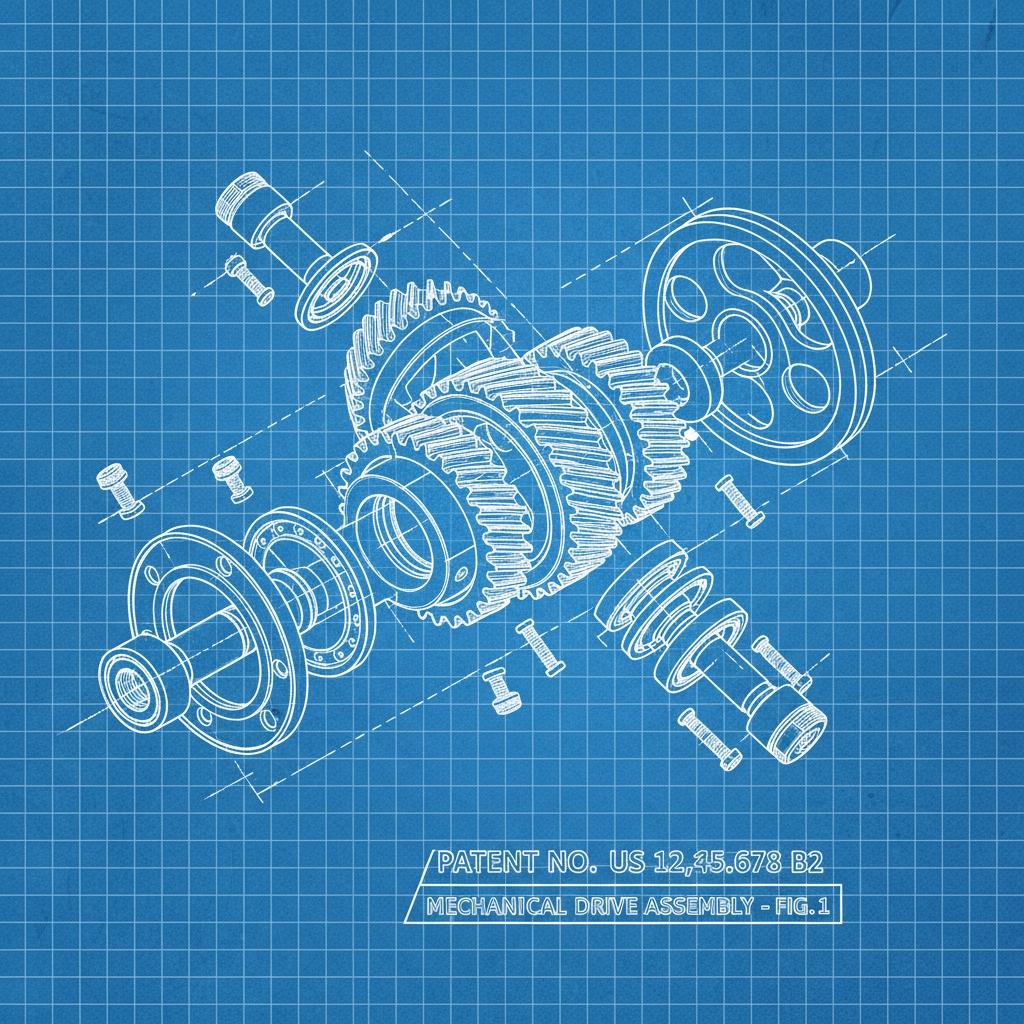
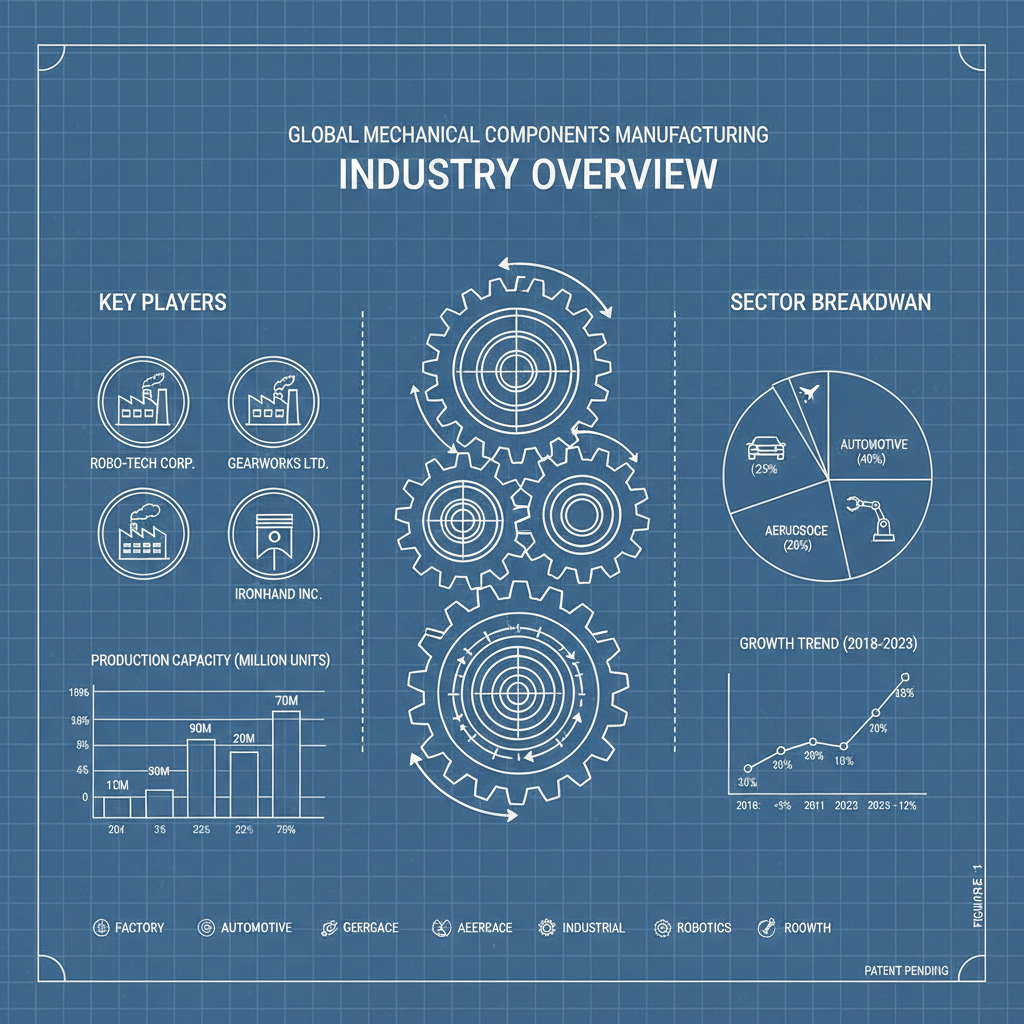
Mechanical parts manufacturers represent a multi-billion dollar industry globally, estimated at over $600 billion in 2023 (source: Statista). This sector isn’t limited to developed nations; it’s rapidly expanding in emerging economies like China, India, and Brazil, driven by increasing manufacturing output and infrastructure development. The UN Industrial Development Organization (UNIDO) emphasizes the crucial role of a robust mechanical parts sector in achieving sustainable industrialization goals.
A significant challenge facing businesses today is supply chain disruption. Reliance on single-source suppliers can leave companies vulnerable to delays, cost increases, and quality control issues. Mechanical parts manufacturers that demonstrate adaptability, diversified sourcing, and robust risk management capabilities are therefore highly sought after. The increasing complexity of modern machinery and equipment demands precision and reliability in component manufacturing, making the expertise of these specialized firms invaluable.
When choosing a mechanical parts manufacturer, prioritize precision capabilities, material expertise, quality control processes, lead times, scalability, and their experience within your specific industry. Look for certifications like ISO 9001 and ensure they have a proven track record of delivering high-quality parts consistently. It’s also important to assess their communication practices and willingness to collaborate on design optimization.
Consistent quality control requires a multi-faceted approach. This includes rigorous inspection of raw materials, in-process monitoring using statistical process control (SPC), and final product testing using calibrated measurement equipment. Implementing a robust quality management system (QMS) certified to ISO 9001 standards is also crucial. Regular audits and employee training contribute to maintaining a high level of quality throughout the manufacturing process.
Automation plays a significant role in improving efficiency, reducing costs, and enhancing precision in mechanical parts manufacturing. CNC machining, robotic assembly, and automated inspection systems minimize human error and increase production speed. Furthermore, automation enables manufacturers to handle complex geometries and produce parts with tighter tolerances, ultimately leading to higher quality products.
Mechanical parts manufacturers are increasingly adopting sustainable practices. This includes using eco-friendly materials, reducing waste through optimized production processes, minimizing energy consumption, and implementing closed-loop recycling systems. They are also exploring alternative manufacturing techniques like additive manufacturing, which generates less waste compared to traditional methods.
3D printing (additive manufacturing) offers numerous benefits, including the ability to create complex geometries, reduce material waste, and accelerate prototyping. It allows for customized part production and on-demand manufacturing, reducing the need for large inventories. 3D printing is particularly advantageous for low-volume production runs and the creation of parts with intricate designs.
Mitigating supply chain risks involves diversifying suppliers, establishing buffer stocks of critical components, and developing strong relationships with key manufacturers. Regular communication, proactive monitoring of supplier performance, and contingency planning are essential. Furthermore, exploring regional sourcing options and nearshoring can reduce reliance on single geographic locations.
In conclusion, mechanical parts manufacturers are a vital component of the global industrial landscape, powering innovation and driving economic growth across countless sectors. Their ability to deliver precision-engineered components with consistent quality, coupled with ongoing advancements in manufacturing technologies, makes them indispensable partners for businesses seeking to optimize performance, reduce costs, and maintain a competitive edge.
Looking ahead, embracing collaboration, investing in sustainable practices, and adapting to emerging technologies like AI and additive manufacturing will be crucial for mechanical parts manufacturers to thrive in a rapidly evolving market. By prioritizing innovation and building strong relationships with clients, these manufacturers will continue to play a pivotal role in shaping the future of industry. Visit our website: www.hmiecmsp.com