In the modern industrial landscape, the demand for precision and reliability has never been higher, making custom machined parts the backbone of advanced manufacturing. From the intricate gears of aerospace engines to the sterile components of medical devices, these bespoke elements allow engineers to move beyond "off-the-shelf" limitations, ensuring that every millimeter of a design serves a specific functional purpose.
The global shift toward miniaturization and high-performance materials means that standard components often fail to meet the rigorous tolerances required for next-generation technology. By leveraging custom machined parts, companies can optimize weight, increase durability, and reduce assembly time, directly impacting the overall efficiency and lifespan of the end product.
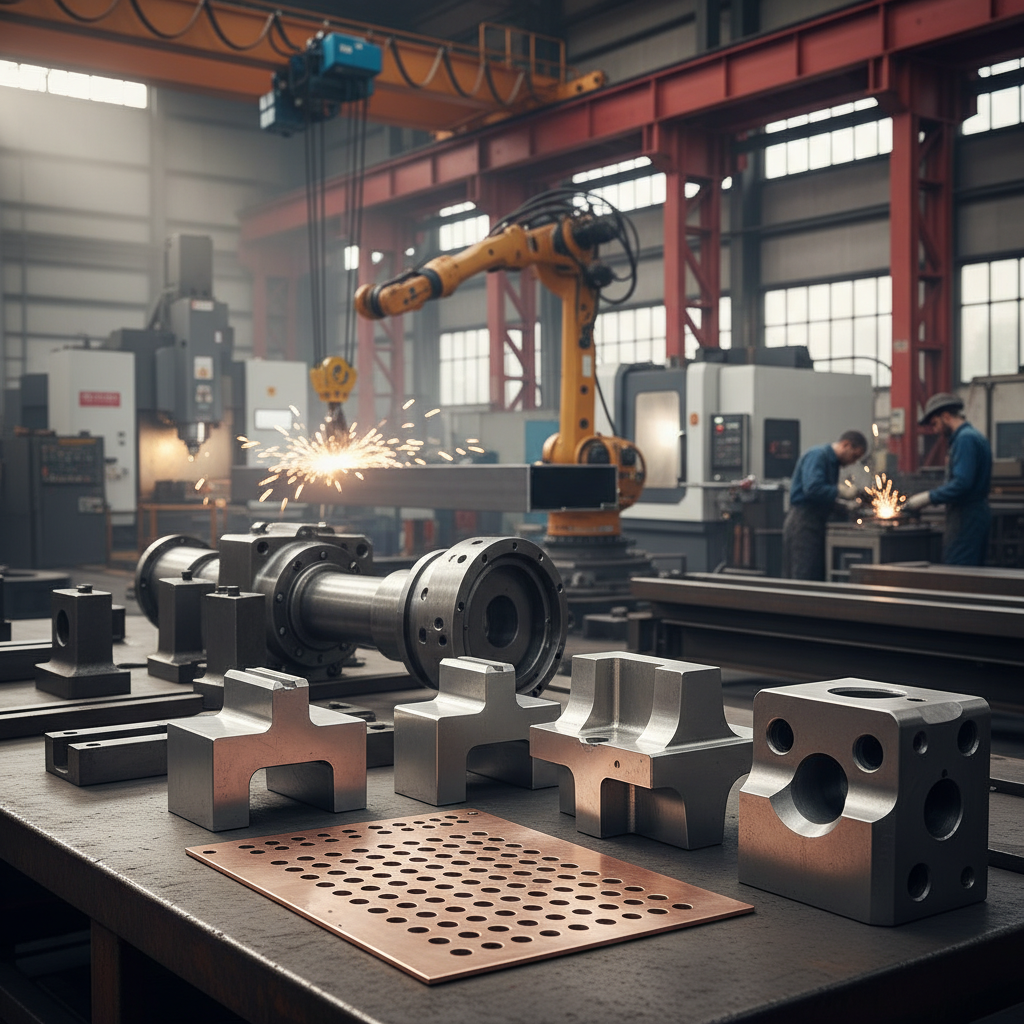
Understanding the nuances of material selection and machining processes is not just a technical necessity but a strategic advantage. Whether dealing with aluminium bars, copper sheets, or complex assembled parts, the ability to source high-quality, tailored components ensures that industrial operations remain competitive in an increasingly automated and precise global market.
Global Relevance of Custom Machined Parts
The global manufacturing sector is currently undergoing a massive transformation, driven by the integration of Industry 4.0 and the pursuit of extreme precision. According to ISO standards and global industrial trends, the reliance on custom machined parts has surged as industries shift away from generic mass production toward specialized, high-value engineering. This shift is evident in the rise of additive manufacturing and advanced CNC milling, which allow for complex geometries that were previously impossible to achieve.
However, this evolution brings a significant challenge: the gap between design intent and physical execution. Many firms struggle with part failure due to improper material selection or inadequate tolerances. By focusing on high-precision machining, manufacturers can eliminate these bottlenecks, ensuring that critical components in sectors like robotics and renewable energy function with absolute reliability under extreme conditions.
Defining Precision in Custom Machined Parts
At its core, custom machined parts refer to components created through the subtractive removal of material from a larger block (the workpiece) using high-precision tools. Unlike casting or forging, machining—including milling, turning, and drilling—allows for the creation of parts with incredibly tight tolerances, often measured in microns. This process is essential when the fit and finish of a part determine the overall success of a complex mechanical system.
Beyond the technical definition, these parts represent the intersection of material science and geometric art. Whether it is a piece of machined aluminium bar for a lightweight aerospace bracket or a copper foil component for high-conductivity electronics, the "custom" aspect means the part is engineered for a specific environment, load, and lifespan. This ensures that every component is optimized for its unique role within a larger assembly.
In a broader industrial context, the ability to produce these parts supports humanitarian and infrastructure needs globally. For instance, the rapid production of custom medical implants or specialized valves for water purification systems in remote areas relies entirely on the agility of custom machining. It turns theoretical blueprints into tangible solutions that save lives and improve living standards.
Core Factors Influencing Part Performance
The durability of custom machined parts is primarily dictated by the synergy between material choice and surface treatment. For instance, selecting a high-grade aluminium alloy for a part that requires both strength and lightness is critical. When paired with anodizing or heat treatment, the resulting component can withstand corrosive environments and mechanical wear, significantly extending the machine's operational cycle.
Scalability and cost-efficiency are also pivotal. While a single prototype may be produced via 5-axis CNC machining for perfection, scaling to thousands of units requires a balance of automated machining and optimized tool paths. Reducing waste through "near-net-shape" strategies ensures that custom machined parts remain economically viable without sacrificing the precision that defines them.
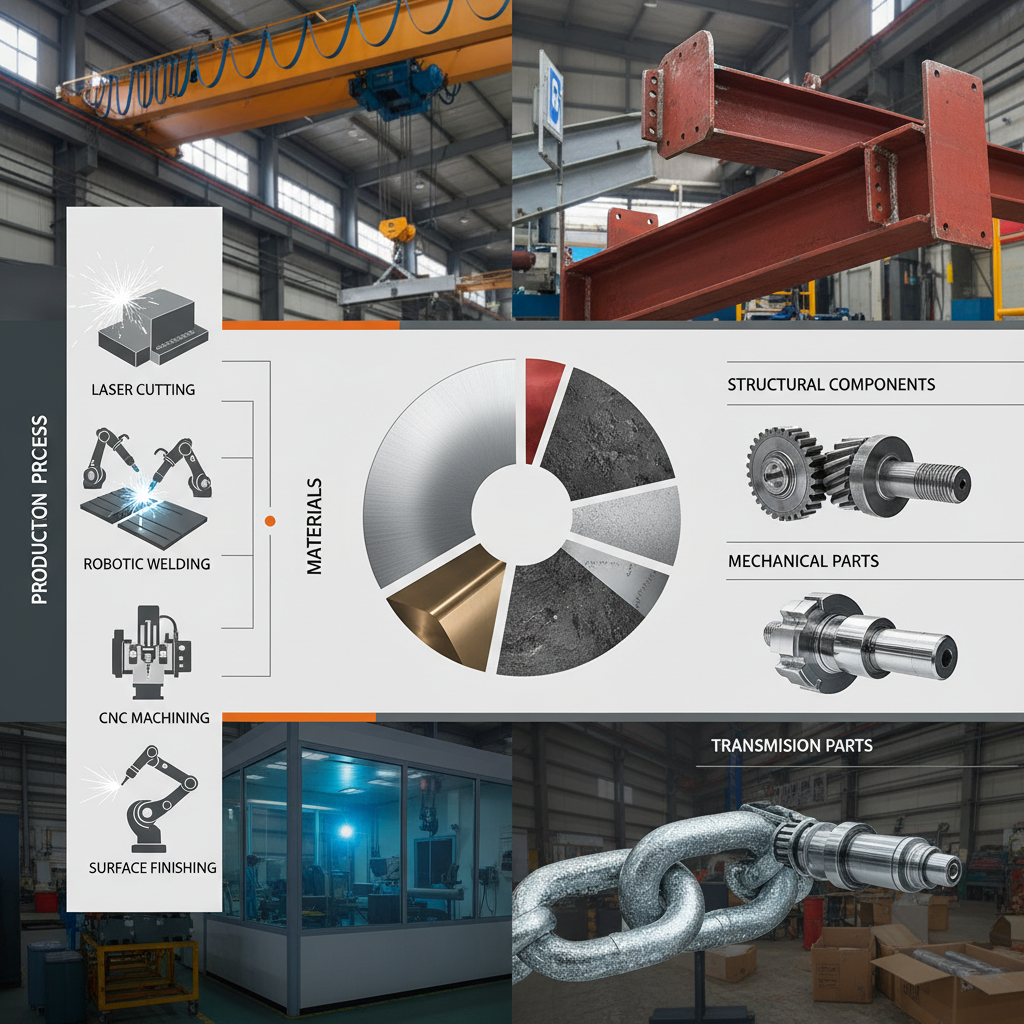
Finally, the geometric complexity and tolerance levels define the part's functional reliability. A part designed for a transmission system must have a perfect fit to avoid friction-induced heat and premature failure. By adhering to strict quality control protocols and using advanced CMM (Coordinate Measuring Machine) inspection, manufacturers ensure that every custom part performs exactly as simulated in the CAD model.
Practical Applications Across Global Industries
The application of custom machined parts spans virtually every modern sector. In the aerospace industry, for example, custom titanium and aluminium components are used to reduce aircraft weight while maintaining structural integrity. Similarly, in the automotive sector, custom transmission parts and engine components are essential for enhancing fuel efficiency and reducing emissions, meeting stringent international environmental regulations.
In remote industrial zones or post-disaster relief operations, the ability to quickly manufacture custom replacement parts can be the difference between a functioning power grid and a total blackout. Modular infrastructure often requires bespoke connectors and brackets that can be machined on-site or shipped rapidly to ensure stability in unstable terrains.
Performance Comparison of Custom Machined Parts Methods
Long-Term Value and Economic Advantages
Investing in high-quality custom machined parts provides a tangible return on investment through reduced downtime and lower maintenance costs. When a component is engineered specifically for its application, it experiences less wear and tear compared to a generic alternative. This reliability fosters trust between manufacturers and their clients, as it guarantees that the final assembly will operate safely and predictably over its intended lifespan.
From a sustainability perspective, custom machining allows for the use of more efficient materials and the reduction of overall part count through integrated designs. By consolidating multiple functions into a single custom-machined component, companies can reduce assembly errors and minimize the carbon footprint associated with transporting numerous smaller parts. This logic transforms machining from a mere production step into a tool for innovative, green engineering.
Future Innovations in Machining Technology
The future of custom machined parts is being shaped by the convergence of AI and digital twin technology. AI-driven toolpath optimization is now reducing cycle times and material waste by predicting tool wear and adjusting cutting parameters in real-time. This means that even the most complex geometries in materials like hard-cast iron or exotic alloys can be produced with unprecedented consistency.
Furthermore, the rise of "hybrid manufacturing"—combining additive 3D printing with subtractive CNC machining—is revolutionizing the industry. In this workflow, a part is roughly printed to near-shape and then precision-machined to reach final tolerances. This approach dramatically reduces the amount of raw material wasted and allows for internal geometries that were previously impossible to machine.
Sustainability is also driving the adoption of cryogenic machining and minimum quantity lubrication (MQL), which replace traditional flood coolants with liquid nitrogen or precise oil mists. These innovations not only protect the environment but also improve the surface finish and tool life, ensuring that the next generation of machined components is both eco-friendly and high-performing.
Overcoming Challenges in Component Production
Despite the advantages, the production of custom machined parts faces challenges such as material volatility and supply chain disruptions. The fluctuation in the price of raw aluminium, copper, and specialty steels can impact project budgets. To overcome this, expert manufacturers employ strategic sourcing and lean inventory management, ensuring a steady flow of materials without inflating costs for the end client.
Another common hurdle is the "design-to-manufacturability" gap, where a part is designed in CAD but is nearly impossible or prohibitively expensive to machine. The solution lies in early-stage collaboration between designers and machining experts. By implementing Design for Manufacturing (DFM) principles, engineers can simplify geometries and standardize tool access, significantly lowering production costs without compromising function.
Finally, maintaining quality across large batches of custom parts requires a rigorous digital quality assurance framework. Moving from manual inspection to automated, in-process probing allows manufacturers to detect deviations the moment they occur. This proactive approach eliminates scrap and ensures that every single part delivered meets the exact specifications required for critical industrial applications.
Analysis of Custom Machining Production Challenges and Solutions
|
Challenge Category
|
Primary Limitation
|
Expert Solution
|
Impact Score (1-10)
|
| Material Cost |
Price volatility of raw metals |
Strategic bulk sourcing |
8 |
| Design Complexity |
Impossible geometries in CAD |
DFM Optimization |
9 |
| Tolerance Drift |
Thermal expansion during cutting |
Climate-controlled shops |
7 |
| Surface Finish |
Tool chatter/Roughness |
High-speed finishing passes |
8 |
| Lead Times |
Long setup for custom jigs |
Modular fixturing systems |
7 |
| Waste Management |
High metal chip volume |
Closed-loop recycling |
9 |
FAQS
Custom machined parts are engineered specifically for your application, meaning they offer optimized weight, superior material properties, and exact tolerances that standard parts cannot match. This leads to better system integration, higher efficiency, and a significantly longer operational lifespan by eliminating the "close enough" fit that often leads to premature wear in standard components.
The choice depends on the application. Aluminium is ideal for lightweight, corrosion-resistant parts; Stainless Steel provides strength and hygiene for medical uses; Copper is essential for electrical conductivity; and Cast Iron is preferred for heavy-duty industrial bases. Our expertise helps in selecting the right material grade to balance cost, machinability, and end-use performance.
We utilize a multi-stage quality control process including in-process probing and final verification using CMM (Coordinate Measuring Machines). By adhering to ISO standards and implementing a strict inspection regime, we ensure that every dimension of your custom machined parts matches the CAD specifications within the required micron-level tolerance.
Yes, thanks to advancements in CNC programming and modular fixturing, the setup cost for small batches has decreased significantly. While the per-unit cost is higher than mass-produced items, the long-term value—reduced assembly time, lower failure rates, and optimized performance—often makes custom parts more economical over the product's lifecycle.
Absolutely. We provide Design for Manufacturing (DFM) consultations to help you refine your blueprints. By suggesting small changes in geometry or material, we can often reduce the number of machining setups required, which lowers the final cost and shortens delivery times without sacrificing the part's functionality.
Lead times vary based on complexity, material availability, and quantity. Simple prototypes can often be delivered within a few days, while complex assemblies involving multiple materials and surface treatments may take several weeks. We provide transparent timelines and tracking to ensure your production schedule remains on track.
Conclusion
In summary, custom machined parts are far more than mere components; they are the essential building blocks of modern industrial precision. By combining the right materials—from aluminium and copper to specialized alloys—with cutting-edge CNC technology, businesses can achieve levels of performance and reliability that were previously unattainable. From the initial DFM phase to the final CMM inspection, the focus on precision, durability, and scalability ensures that these parts drive innovation across the aerospace, automotive, and medical sectors.
Looking ahead, the integration of AI and hybrid manufacturing will continue to push the boundaries of what is possible in the metalworking industry. For companies seeking to maintain a competitive edge, the strategic adoption of high-precision custom components is no longer optional—it is a necessity for growth and sustainability. We invite you to experience the difference that true precision engineering can make in your next project. Visit our website: www.hmiecmsp.com