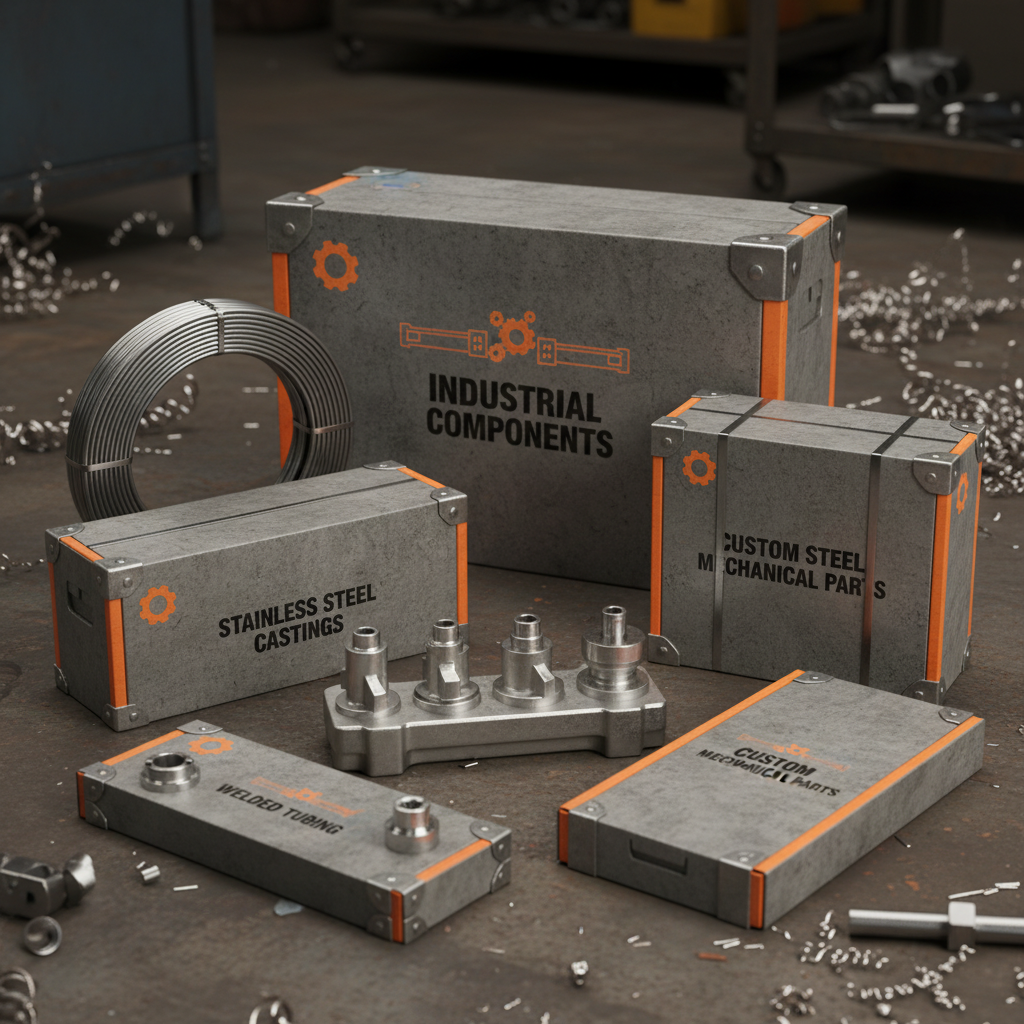
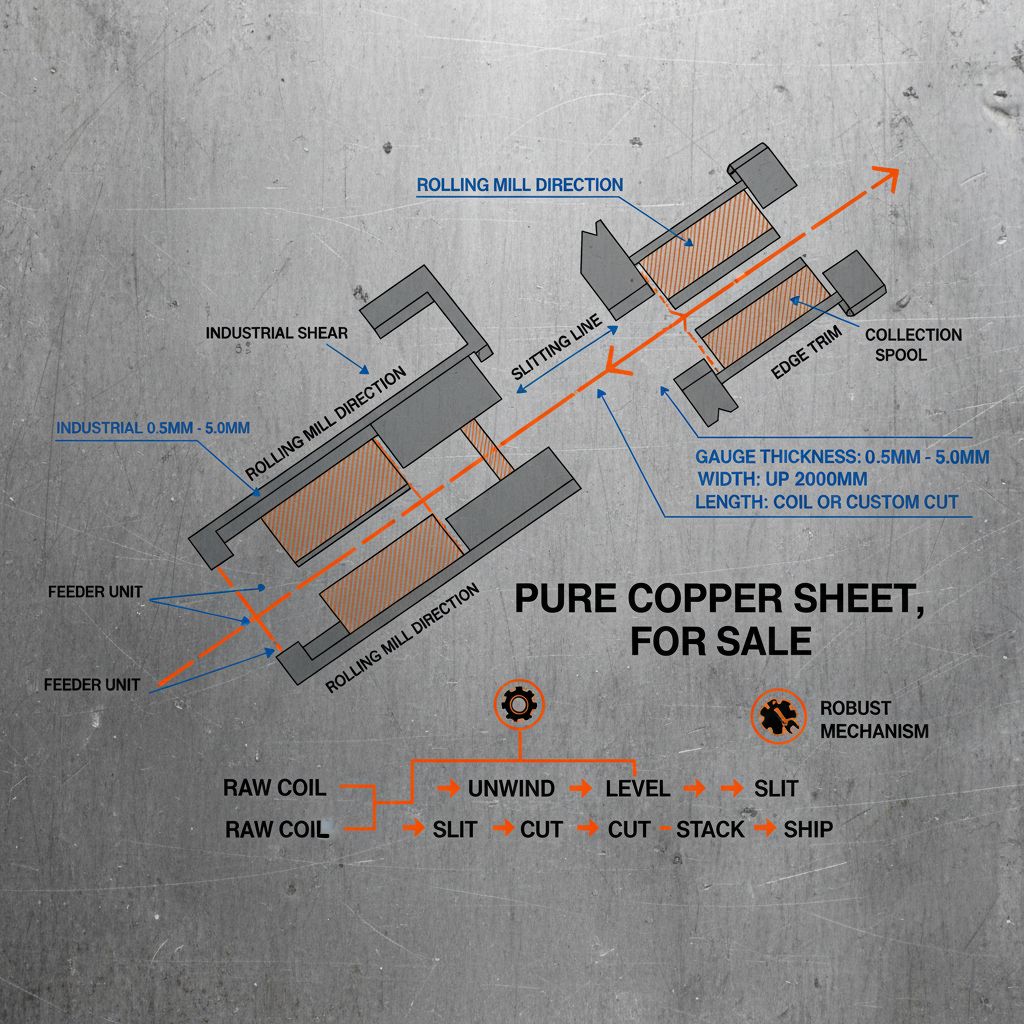
Metallic materials are foundational to modern infrastructure, manufacturing, and technological advancement. The global demand for reliable and high-quality metallic materials is constantly increasing, driven by growth in sectors like construction, automotive, aerospace, and energy. A robust and efficient metallic materials supplier network is critical to supporting this growth, ensuring timely delivery of essential components and materials. This network impacts everything from the cost of everyday products to the feasibility of large-scale engineering projects.
The importance of a strong metallic materials supplier extends beyond economic considerations. Access to the right materials is crucial for developing sustainable infrastructure, promoting innovation, and addressing global challenges such as climate change and resource scarcity. Reliable supply chains also play a vital role in national security and resilience, enabling rapid response to emergencies and supporting essential industries.
Understanding the complexities of metallic materials sourcing, quality control, and logistical considerations is paramount for businesses and organizations operating in a globalized world. Choosing the right metallic materials supplier can significantly impact project timelines, budget constraints, and overall success.
The Role of a Metallic Materials Supplier
A metallic materials supplier is far more than simply a distributor of metals. They are a critical partner in the manufacturing process, providing expertise in material selection, sourcing, quality control, and logistics. They play a pivotal role in ensuring that businesses have access to the specific alloys, shapes, and quantities of metal needed to meet their production demands.
The best metallic materials supplier companies offer value-added services such as custom cutting, fabrication, and inventory management, streamlining the supply chain and reducing costs for their clients. They often maintain strong relationships with mills and manufacturers worldwide, providing access to a diverse range of materials and competitive pricing.
Defining Metallic Materials Supply
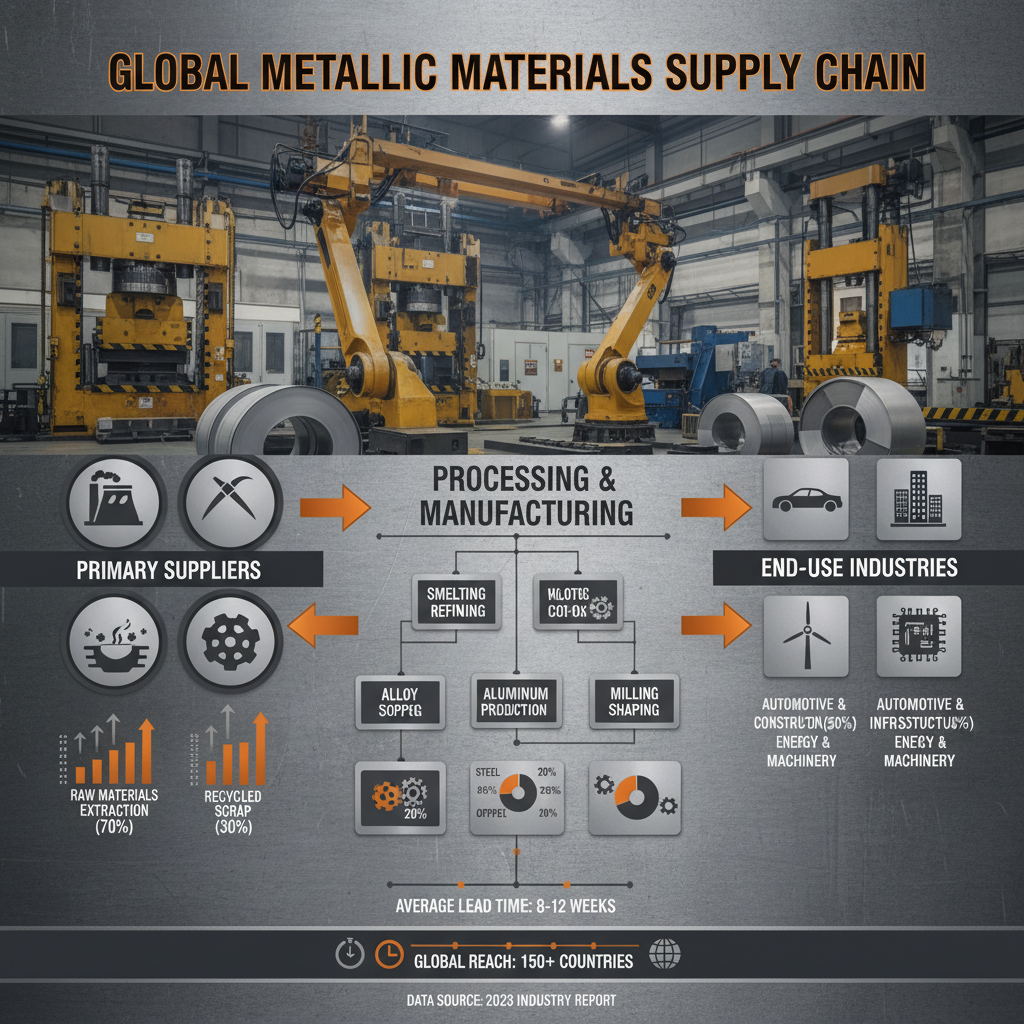
Metallic materials supply encompasses the entire process of sourcing, processing, and delivering metals to end-users. This includes everything from mining and refining raw ores to producing finished metal products like sheets, bars, tubes, and wires. A key aspect is the complex network of distributors, processors, and logistics providers who facilitate the movement of materials from origin to destination.
Effective metallic materials supply requires deep knowledge of material properties, industry standards, and regulatory requirements. Suppliers must be able to provide certifications of analysis, ensure traceability, and comply with environmental and safety regulations. Furthermore, a reliable supply chain demands robust quality control measures at every stage of the process.
This field is intrinsically linked to global industrial production, serving as the backbone for countless industries. The success of any manufacturing endeavor fundamentally relies on a dependable and efficient metallic materials supplier.
Core Components of a Reliable Supplier
Several key components define a reliable metallic materials supplier. First and foremost is material quality, ensured through rigorous testing and adherence to industry standards. A wide product range, encompassing various alloys and forms, is also crucial to meet diverse customer needs.
Equally important is efficient logistics, guaranteeing on-time delivery and minimizing disruptions to production schedules. Furthermore, a reliable supplier provides excellent customer service, offering technical support, custom fabrication, and responsive communication. Finally, competitive pricing and flexible payment terms contribute to a strong supplier-customer relationship.
The ability to adapt to changing market conditions and proactively manage supply chain risks is also vital in today’s global landscape. A forward-thinking metallic materials supplier will invest in technology and infrastructure to optimize efficiency and resilience.
Global Applications and Industry Impact
Metallic materials find application across a vast spectrum of industries, each with unique requirements. In the aerospace sector, high-strength, lightweight alloys are essential for aircraft construction. The automotive industry relies on steel, aluminum, and magnesium for vehicle bodies and components. The construction industry utilizes steel for structural frameworks, reinforcing bars, and roofing materials.
The energy sector requires specialized alloys for pipelines, power generation equipment, and renewable energy infrastructure. Medical device manufacturers utilize biocompatible metals like titanium and stainless steel for implants and surgical instruments. In remote industrial zones, like mining operations in Australia or construction sites in the Arctic, a reliable metallic materials supplier is indispensable.
Supplier Performance Across Industries
Advantages of Partnering with a Quality Supplier
Partnering with a quality metallic materials supplier offers numerous tangible benefits. Reduced material costs through competitive pricing and optimized sourcing are paramount. Improved product quality, resulting from consistent material specifications and rigorous quality control, leads to fewer defects and enhanced customer satisfaction.
Streamlined supply chain management, facilitated by efficient logistics and inventory management, minimizes production delays and reduces carrying costs. A reliable supplier also provides technical expertise, assisting with material selection and problem-solving.
Future Trends in Metallic Materials
The metallic materials landscape is evolving rapidly, driven by technological advancements and sustainability concerns. The development of advanced high-strength steels, lightweight aluminum alloys, and innovative titanium alloys is pushing the boundaries of material performance. Increased focus on material circularity and recycling is driving demand for sustainable sourcing practices.
Digital transformation, including the use of AI and machine learning, is optimizing supply chain management and improving material traceability. The adoption of additive manufacturing (3D printing) is enabling the creation of complex metal components with unprecedented design freedom.
The push for green energy solutions will also drive innovation in materials for batteries, wind turbines, and solar panels, requiring a versatile metallic materials supplier to keep pace.
Challenges and Solutions in Supply Chain Management
Supply chain disruptions, geopolitical instability, and fluctuating raw material prices pose significant challenges to the metallic materials industry. Maintaining material traceability, ensuring ethical sourcing, and mitigating environmental impacts are also critical concerns.
Solutions include diversifying sourcing networks, building strategic partnerships with key suppliers, and investing in advanced supply chain visibility tools. Implementing robust risk management strategies, embracing digital technologies, and promoting sustainable practices are essential for building resilient and responsible supply chains.
A proactive metallic materials supplier will actively anticipate and mitigate these challenges, offering their clients peace of mind and a secure supply of essential materials.
Key Performance Indicators for Metallic Materials Supply Chain Management
| Supplier Lead Time (Days) |
Material Quality Defect Rate (%) |
On-Time Delivery Performance (%) |
Cost Savings from Supplier Initiatives (%) |
| 5 |
0.5 |
98 |
3 |
| 7 |
1.2 |
95 |
1 |
| 4 |
0.1 |
99 |
5 |
| 6 |
0.8 |
96 |
2 |
| 8 |
1.5 |
94 |
0.5 |
| 3 |
0.3 |
97 |
4 |
FAQS
When choosing a metallic materials supplier, prioritize material quality certifications, breadth of product offerings, on-time delivery performance, and competitive pricing. Consider their technical expertise, customer support, and commitment to sustainable sourcing practices. Also, evaluate their capacity to handle your specific order volumes and provide custom fabrication services if needed. A strong supplier will demonstrate transparency and build a long-term partnership.
Requesting certifications of analysis (COA) for each batch of material is crucial. These documents verify the chemical composition and mechanical properties of the metal. Conducting your own independent testing is also recommended, especially for critical applications. A reputable metallic materials supplier will readily provide COAs and support your quality control efforts.
Local suppliers generally offer faster lead times, lower shipping costs, and easier communication. However, international suppliers may provide access to a wider range of materials or more competitive pricing. The best choice depends on your specific needs and priorities. Consider the total cost of ownership, including shipping, tariffs, and potential delays when making your decision.
A knowledgeable metallic materials supplier can offer valuable guidance on material selection, considering factors like strength, corrosion resistance, weight, and cost. They can help you choose the optimal alloy for your specific application, ensuring optimal performance and longevity. They often have engineers and metallurgists on staff who can provide technical support.
Traceability is essential for ensuring the origin and authenticity of metallic materials. It allows you to track the material’s journey from the mill to your finished product, providing confidence in its quality and compliance with industry standards. A robust traceability system is crucial for identifying and resolving any potential issues and for maintaining accountability throughout the supply chain.
The industry is addressing disruptions through diversification of sourcing, building stronger supplier relationships, and investing in advanced supply chain visibility tools. Companies are also increasing their inventory levels and adopting more agile manufacturing processes. Nearshoring and reshoring initiatives are gaining traction to reduce reliance on distant suppliers.
Conclusion
In conclusion, a reliable metallic materials supplier is an indispensable partner for success in countless industries. From ensuring material quality and optimizing supply chains to driving innovation and promoting sustainability, the benefits of partnering with a trusted supplier are substantial. Choosing the right supplier is not simply a transactional decision, but a strategic investment in the long-term health and resilience of your business.
As the metallic materials landscape continues to evolve, proactive collaboration between suppliers and customers will be critical. Embracing new technologies, prioritizing sustainable practices, and fostering transparent communication will pave the way for a more efficient, responsible, and innovative future. Visit our website at www.hmiecmsp.com to learn how we can support your metallic materials needs.