





Comprehensive Guide to Custom Mechanical Parts for Enhanced Manufacturing Solutions
Understanding <strong>Custom Mechanical Parts</strong>: A Comprehensive Guide
In today's rapidly evolving manufacturing landscape, the demand for precision and customization is higher than ever. Many industries rely on components built to exact specifications, and that’s where <a href="https://www.hmiecmsp.com" style="color: #e74c3c; text-decoration: underline; font-weight: 600;">custom mechanical parts</a> come into play. Whether you need a small batch of specialized components or a large production run of unique designs, understanding the process, materials, and benefits is crucial. This article will explore everything you need to know about custom mechanical parts, from design considerations to manufacturing processes and the advantages they offer. Choosing the right partner for your custom parts needs can significantly impact your project’s success and bottom line.
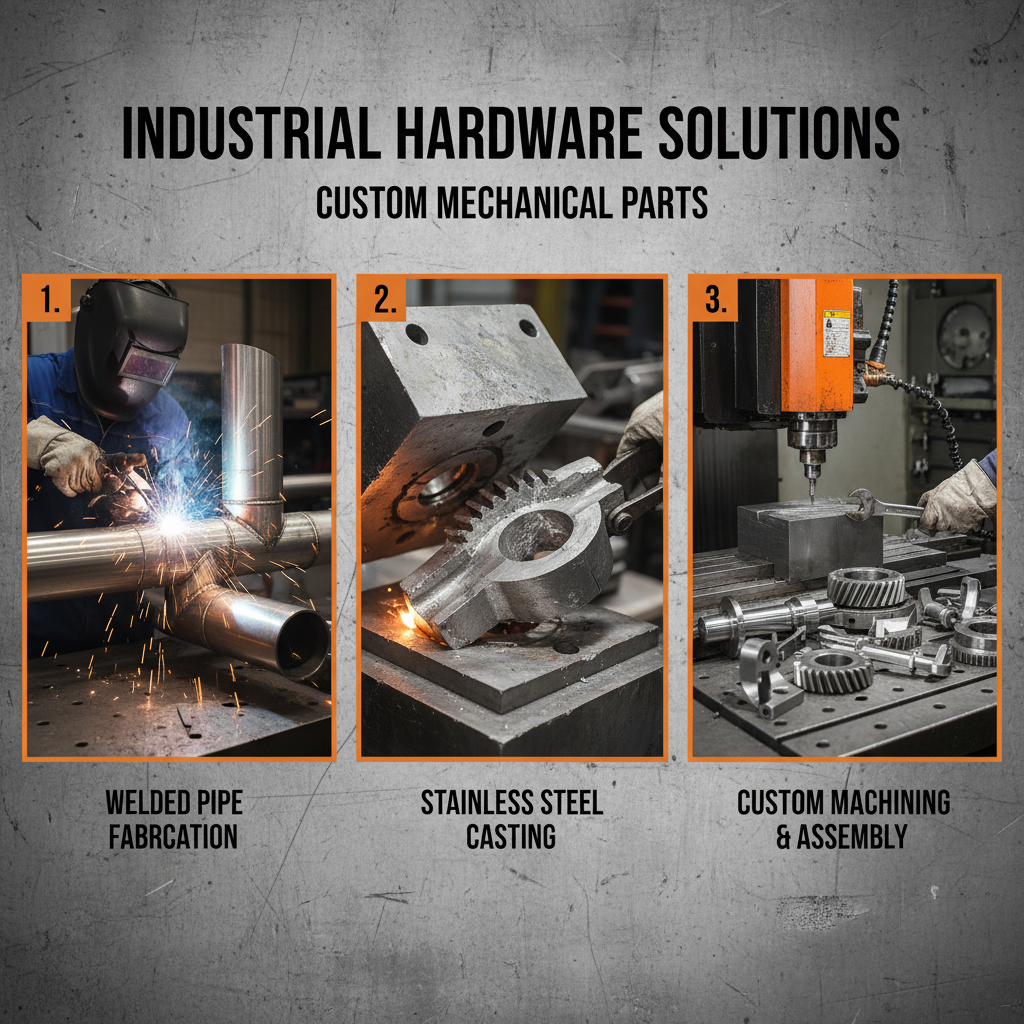
The Advantages of Utilizing <strong>Custom Mechanical Parts</strong>
Opting for custom mechanical parts offers several distinct advantages over off-the-shelf solutions. Firstly, it allows for precise functionality tailored to your specific application, leading to improved performance and efficiency. Secondly, custom parts can utilize specialized materials perfectly suited to the operating environment, increasing durability and longevity. Thirdly, they enable design innovation, allowing you to create unique products that stand out from the competition. Furthermore, custom parts can reduce assembly time and streamline manufacturing processes. Ultimately, investing in custom mechanical parts can lead to cost savings, increased product quality, and a stronger competitive edge. The freedom to design exactly what you need is a key benefit that drives innovation.
Key Highlights: Custom mechanical parts provide precise functionality, allow for specialized material selection, enable design innovation, and can reduce assembly time.
Common Manufacturing Processes for <strong>Custom Mechanical Parts</strong>
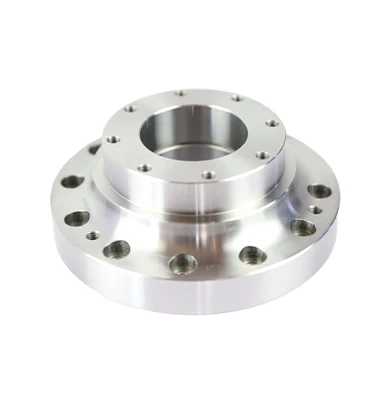
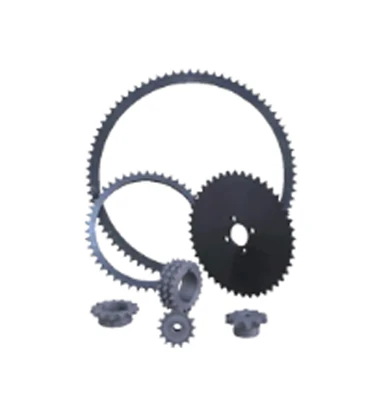
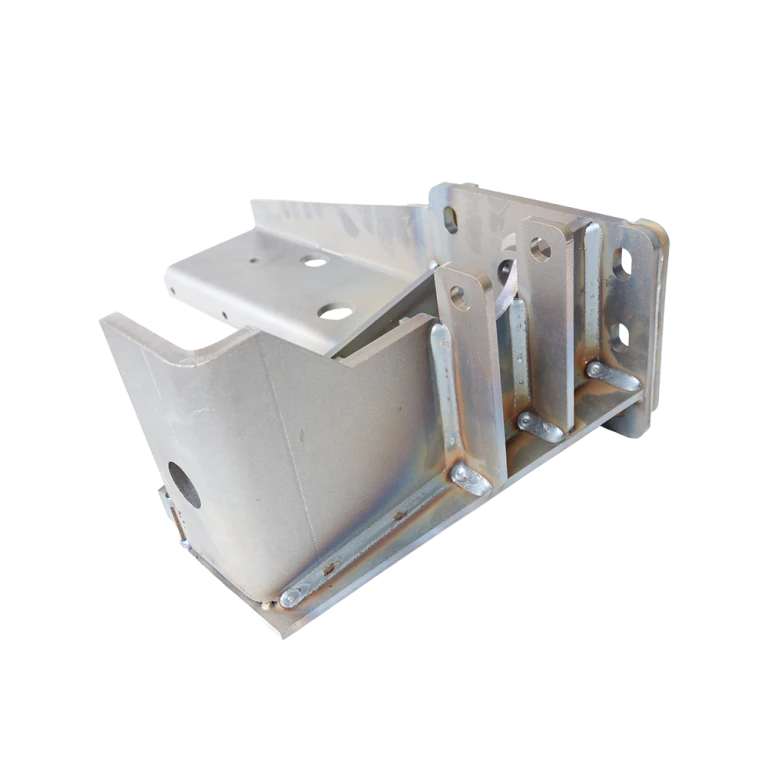
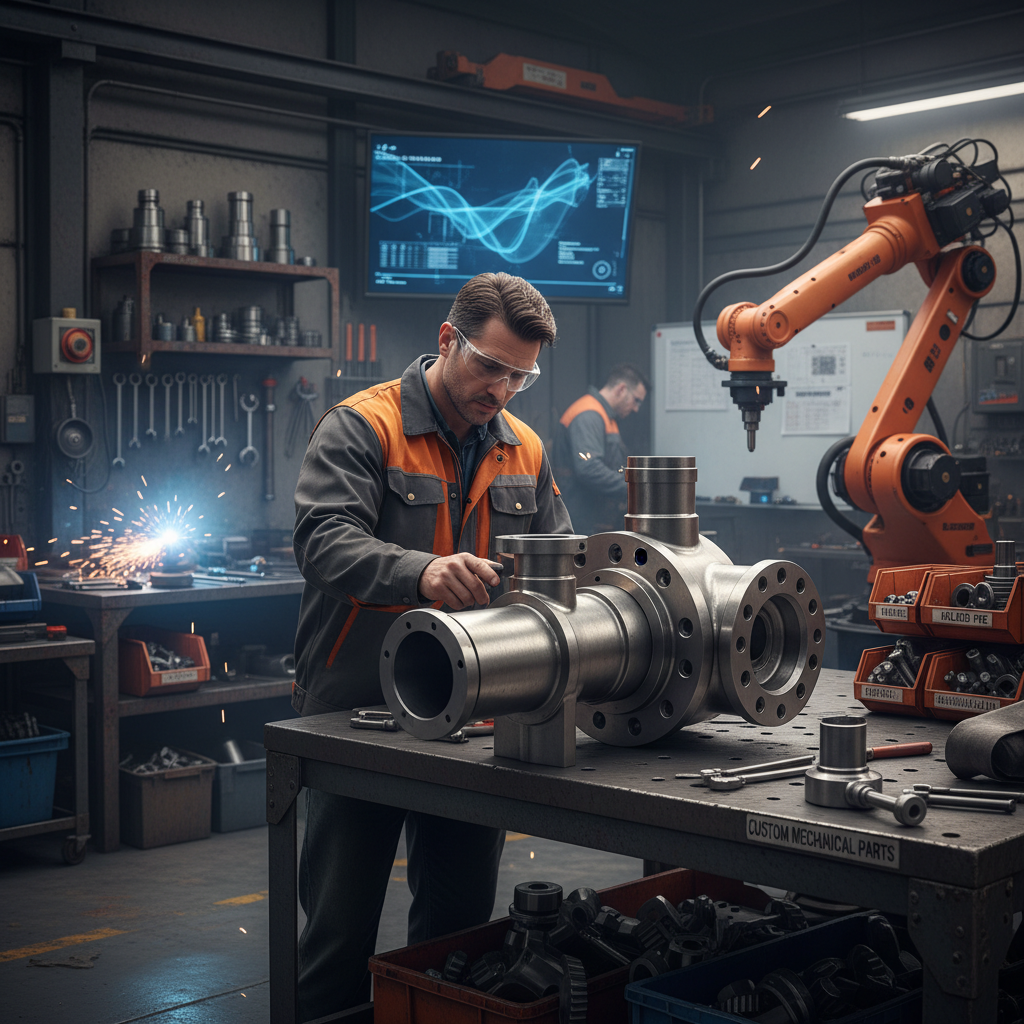
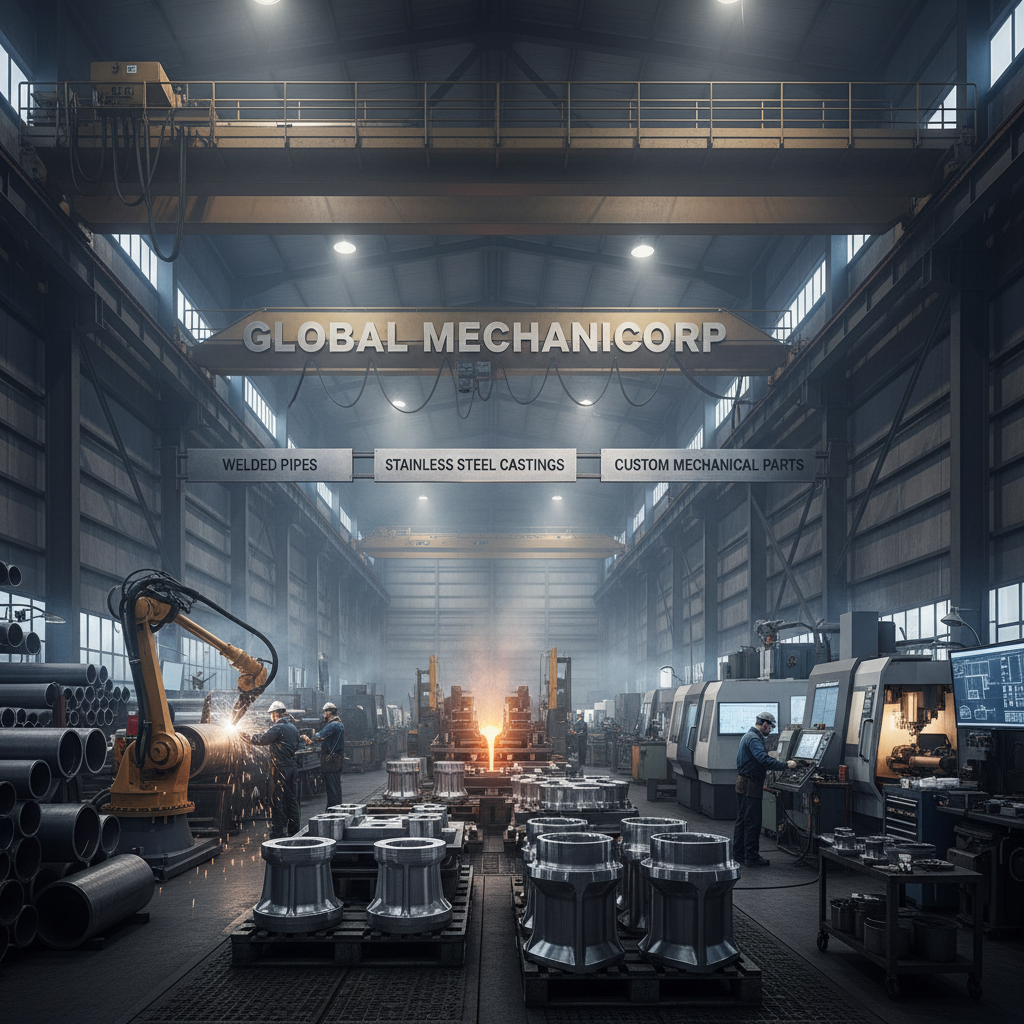
Several manufacturing processes are commonly used to create custom mechanical parts, each with its own strengths and weaknesses. CNC machining is a popular choice for its precision and versatility, ideal for creating complex geometries. 3D printing (additive manufacturing) is excellent for prototyping and low-volume production, offering design freedom. Casting allows for producing complex shapes with various materials, suitable for medium to high-volume runs. Sheet metal fabrication is cost-effective for creating enclosures, brackets, and other flat parts. The choice of manufacturing process depends on factors like material, quantity, complexity, and budget. Understanding these processes is essential for making informed decisions about your custom parts project. <a href="https://www.hmiecmsp.com" style="color: #e74c3c; text-decoration: underline; font-weight: 600;">HMIE CMSP</a> offers a wide range of these services.
Manufacturing Process Overview:
• CNC Machining: Precision, Versatility, Good for Complex Geometries
• 3D Printing: Prototyping, Low-Volume, Design Freedom
• Casting: Complex Shapes, Various Materials, Medium-High Volume
• Sheet Metal Fabrication: Cost-Effective, Enclosures, Brackets
Material Selection for <strong>Custom Mechanical Parts</strong>
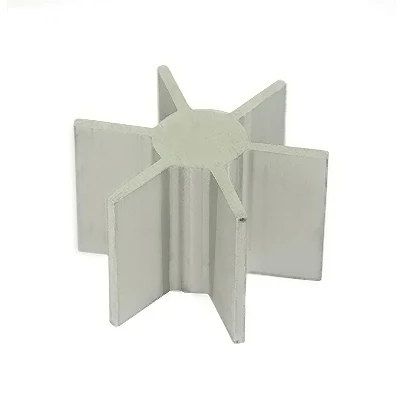
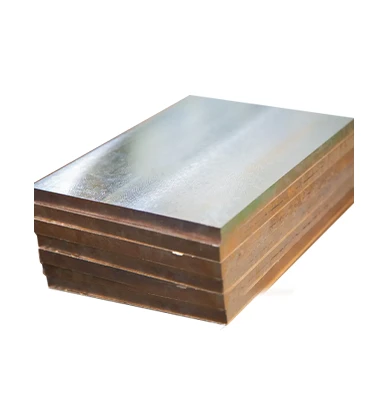
Choosing the right material is critical for ensuring the performance and longevity of your custom mechanical parts. Common materials include aluminum, stainless steel, brass, and various plastics. Aluminum offers a good strength-to-weight ratio and is corrosion-resistant, making it ideal for aerospace and automotive applications. Stainless steel provides exceptional strength and corrosion resistance, suitable for harsh environments. Brass is known for its machinability and conductivity. Plastics offer design flexibility and are lightweight, suitable for various applications. Material selection should consider factors like strength, weight, corrosion resistance, temperature resistance, and cost. Consulting with a material specialist can help you make the optimal choice for your specific requirements.
The Importance of Choosing the Right Partner for Your <strong>Custom Mechanical Parts</strong>
Selecting a reputable and experienced partner is paramount for a successful custom mechanical parts project. Look for a company with a proven track record, strong engineering capabilities, and a commitment to quality. Consider their manufacturing processes, material expertise, and ability to meet your specific requirements. Effective communication and project management are also crucial. A reliable partner will collaborate with you throughout the entire process, from design and prototyping to production and delivery. <a href="https://www.hmiecmsp.com" style="color: #e74c3c; text-decoration: underline; font-weight: 600;">HMIE CMSP</a> is dedicated to providing high-quality custom mechanical parts and exceptional customer service.
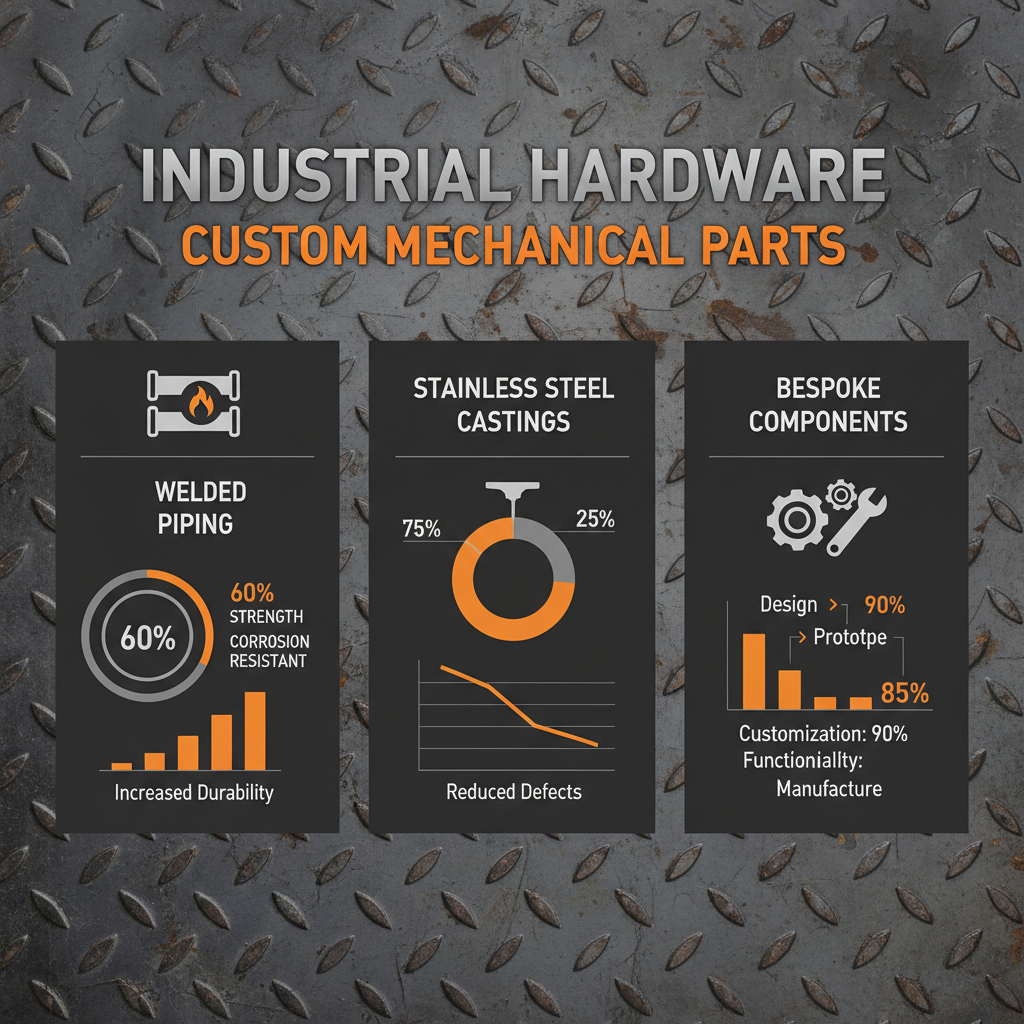
Design Considerations for <strong>Custom Mechanical Parts</strong>
Before initiating production, careful design considerations are essential. Ensure your design is manufacturable, considering the limitations of chosen processes. Optimize the design for cost-effectiveness, minimizing material waste and simplifying manufacturing steps. Design for assembly (DFA) principles can reduce assembly time and improve product quality. Conduct thorough testing and simulations to validate the design’s performance and identify potential issues. Collaboration with experienced engineers during the design phase can significantly improve the final product. Focusing on manufacturability early on can prevent costly revisions and delays later in the process.
Conclusion: Investing in Precision with Custom Mechanical Parts
Investing in <a href="https://www.hmiecmsp.com" style="color: white; text-decoration: underline; font-weight: 600;">custom mechanical parts</a> is a strategic decision that can unlock significant benefits for your business. From enhanced performance and durability to design innovation and cost optimization, the advantages are numerous. By carefully considering your requirements, selecting the right materials and manufacturing processes, and partnering with a reliable supplier like <a href="https://www.hmiecmsp.com" style="color: white; text-decoration: underline; font-weight: 600;">HMIE CMSP</a>, you can achieve exceptional results. Don't settle for off-the-shelf solutions when you can have parts precisely tailored to your needs.
Frequently Asked Questions (FAQs)
What is the typical lead time for custom mechanical parts?
The lead time for custom mechanical parts varies depending on the complexity of the design, the chosen manufacturing process, the material, and the quantity ordered. Simple parts with readily available materials may have a lead time of just a few days, while more complex projects can take several weeks or even months. Prototyping generally has a faster turnaround than full production runs. Clear communication with your supplier and providing accurate specifications are crucial for minimizing lead times. Factors like tooling requirements and supply chain availability can also impact delivery schedules. <a href="https://www.hmiecmsp.com" style="color: #e74c3c; text-decoration: underline; font-weight: 600;">Contact HMIE CMSP</a> for a personalized quote and estimated lead time.
What file formats do you accept for custom part designs?
We accept a wide range of file formats for custom part designs, including .STL, .STEP, .IGES, .DXF, and .DWG. Solid modeling files (.STEP and .IGES) are preferred as they contain more complete geometric information. 2D drawings (.DXF and .DWG) are also accepted, but they may require additional interpretation. We recommend providing designs in a neutral format to ensure compatibility. Our engineering team can assist with file conversion if needed. Please ensure your designs are clearly labeled and include all necessary dimensions and tolerances.
Do you offer design assistance for custom parts?
Yes, we offer comprehensive design assistance services. Our team of experienced engineers can help you optimize your designs for manufacturability, cost-effectiveness, and performance. We can provide support with material selection, tolerance analysis, and design for assembly (DFA). We can also create 3D models and prototypes based on your initial concepts. Our goal is to collaborate with you to develop a design that meets your exact requirements and delivers the best possible results.
What quality control measures do you have in place?
Quality control is a top priority at <a href="https://www.hmiecmsp.com" style="color: #e74c3c; text-decoration: underline; font-weight: 600;">HMIE CMSP</a>. We employ a rigorous quality control process at every stage of production, from raw material inspection to final product testing. We use advanced inspection equipment, including CMMs and optical comparators, to ensure dimensional accuracy. We also conduct visual inspections and functional tests to verify performance. We adhere to industry standards and can provide full documentation and traceability for all parts. Our commitment to quality ensures that you receive parts that meet your exact specifications and perform reliably.