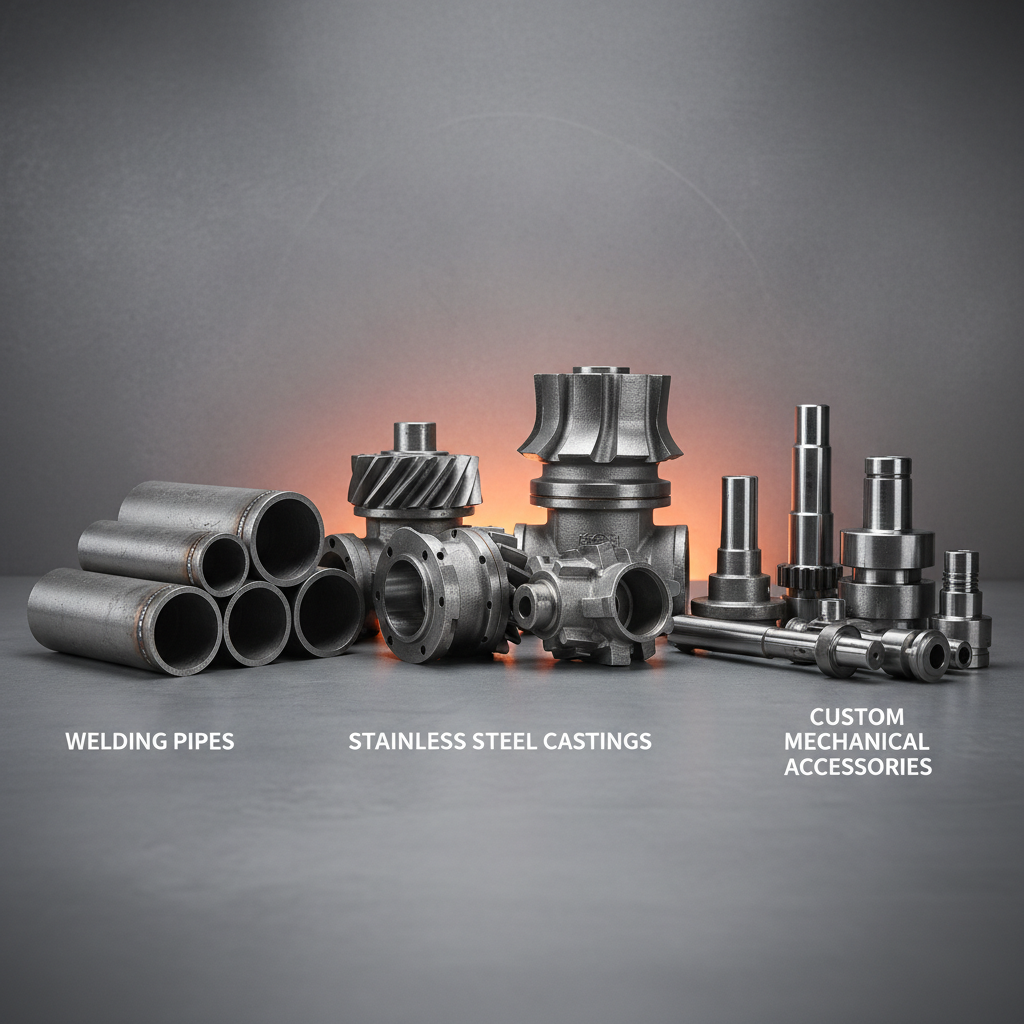






In today's advanced manufacturing and engineering fields, processes such as riveting, welding, and machining are extensively combined to assemble individual components made from different materials and processes into large, complex assemblies. These assemblies play a crucial role in various industries, offering the following advantages:
- Material Savings
One significant advantage of assemblies is material savings and structural weight reduction. Through modular design, products are divided into smaller units, allowing manufacturers to design and produce with greater flexibility, avoiding the complexities of manufacturing entire structures. This decomposition design not only reduces the waste of materials, but also improves the efficiency of transportation and installation.
- Improved Maintainability and Scalability
Assemblies greatly improve product maintainability. By breaking down products into independent functional units, maintenance personnel can quickly identify and replace faulty components, significantly reducing maintenance costs and downtime. This is especially crucial in industries like automotive manufacturing, aerospace, and heavy machinery.
Assemblies also provides the possibility for future upgrade and expansion. With the development of technology, specific modules can be replaced or upgraded individually without the need for large-scale modifications to the entire system. This prolongs the life cycle of products and improves the flexibility and economic benefits of products.
Additionally, assemblies enable differentiated design for various components to meet specific functional requirements in different applications.
- Optimized Supply Chain Management
Assemblies contribute to supply chain optimization. Manufacturers can outsource the production of different components to professional suppliers, and each supplier only needs to focus on the manufacturing of a certain component. This approach not only improves resource allocation, but also enhances the efficiency and quality control of the whole production process.
At the same time, the global supply chain system allows enterprises to purchase components from different regions, which reduces the dependence on a single supplier and enhances the anti-risk ability of the supply chain.
- Enhanced Production Flexibility and Customization
Assemblies provide the flexibility to meet the growing demand for personalized and customized products in the market. Manufacturers can quickly respond to customers' customized requirements by replacing or adjusting certain components, without having to redesign and produce the whole system from scratch. For example, in electronics, furniture manufacturing, and industrial equipment, assemblies enable products with various configurations and functional combinations to be quickly brought to market, shortening product delivery cycles.
- Improved Reliability and Safety
Assembling large parts not only simplifies the manufacturing and maintenance process, but also significantly improves the reliability and safety of products. Precise assembly processes optimize the overall performance of the product by integrating different materials and manufacturing techniques. For example, in aerospace or automobile industry, the integration of multiple subsystems can improve the stability of the structure to adapt to different environmental conditions.
- Meeting Specific Functional Requirements
Another advantage of assemblies is that it can realize the performance differentiation of each component according to the use requirements of different positions. This allows products to better meet specialized functional needs, increasing diversity and adaptability in their applications.
Conclusion
The application of assemblies demonstrates immense value in modern industry, not only improving production efficiency and flexibility, but also enhancing product maintainability, scalability, reliability, and safety. With the development of science and technology and industrial progress, assemblies are widely used in machinery manufacturing, automated production lines and other fields, bringing more opportunities to the manufacturing industry.