





The above is a schematic diagram of the production process for continuous cast iron bar.
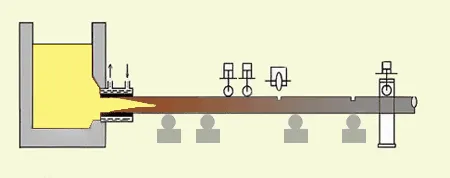
The water-cooled graphite mold installed on the insulation furnace is shaped to match the bar to be drawn. The static pressure of the molten iron ensures a continuous flow into the water-cooled graphite mold, wrapping around the traction rod. As the surface of the molten iron begins to solidify, the traction machine gradually pulls the still-liquid iron bars from the mold. The entire bar is gradually cooled in the air, and the red liquid iron completely turns gray-blue, and then it is cut and broken according to the required length, and finally it is put into storage after passing the inspection.
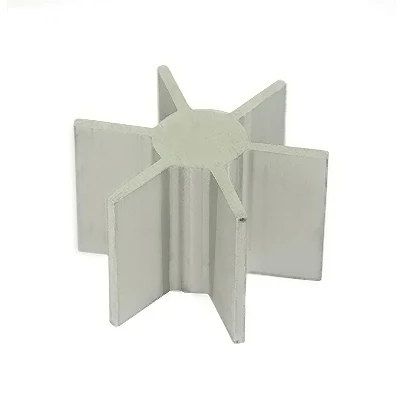
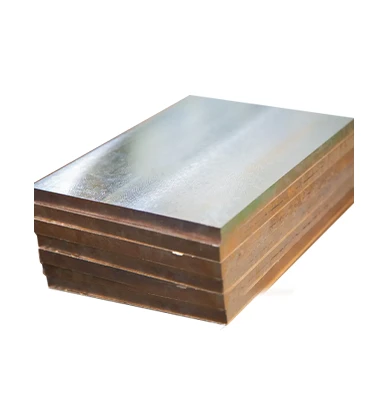
The most striking feature of continuous cast iron is its fine grain and compact as-cast microstructure. Since the bar is pulled from the bottom of the insulation furnace, slag, dross, and other impurities float to the top, away from the opening of the mold. This production process can produce a bar with dense structure, good density consistency, almost no common casting defects (such as sand holes and pores), along with good mechanical properties, excellent wear resistance, and good machinability. Another advantage is that this process is more environmentally friendly than traditional casting methods. It can produce iron bars with different cross-sectional shapes. In addition to the conventional round, rectangular, and square shapes, bars with custom cross-sections can be produced according to customer specifications.
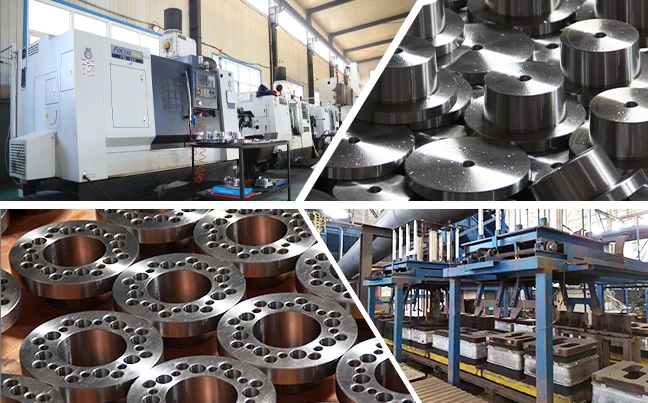
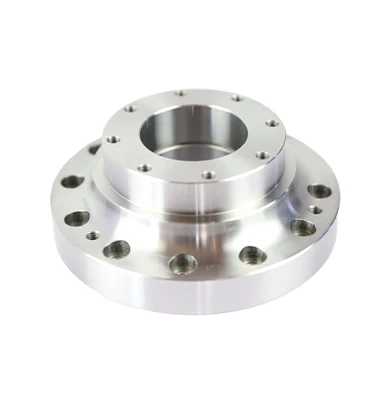
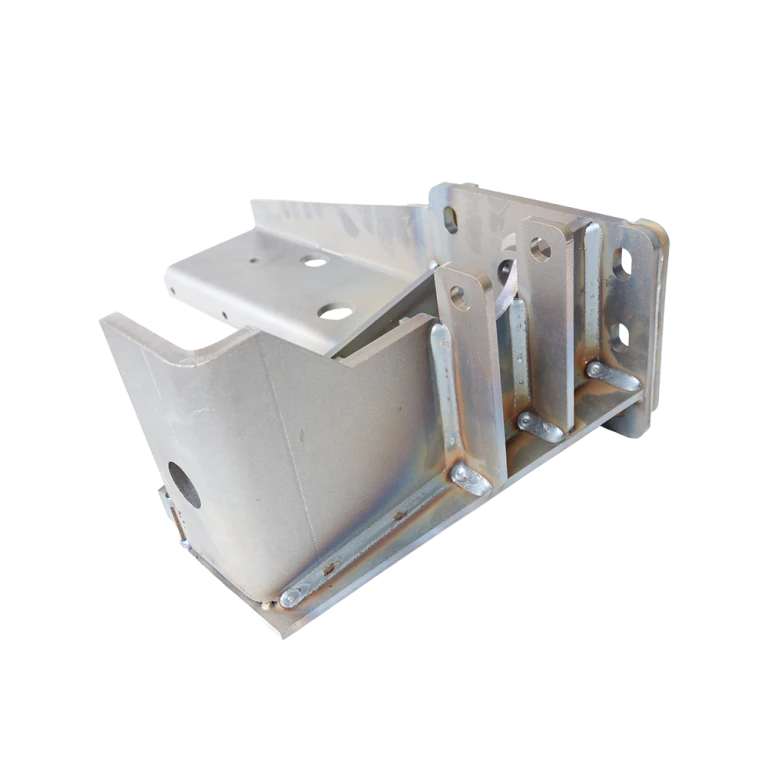
Continuous cast iron rods are widely used in various fields and can be processed into many different parts, such as:
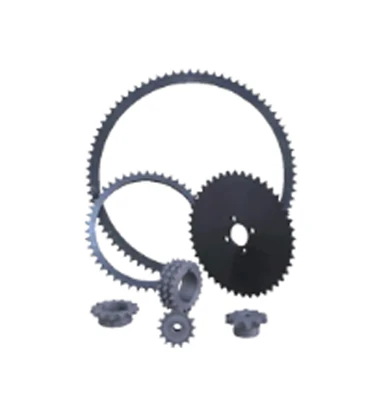
- Mechanical Transmissioncomponents: chain sprocket, gear, pulley, taper bush, hub, etc.
- Reducer parts: shaft, wheel, flange, sleeve, planetary carry, etc.
- Hydraulic components: hydraulic valve body, guide sleeve, piston, motor stator, cylinder, etc.
- Air compressor components: rotor, etc.
- Injection molding machine components: shaft, end cover, flange, etc.
- Agricultural machinery parts
- Construction machinery parts
- Textile machinery parts
- Petroleum equipment parts
- Wind power equipment parts
- Wireconveying rollers
- Glass mold
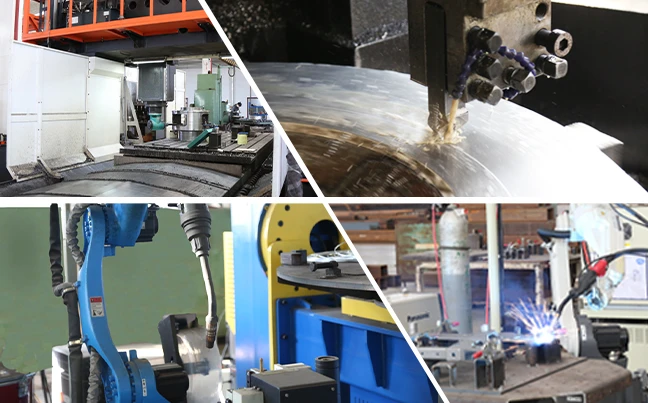
The uniform structure of cast iron bars is convenient for cutting, milling and forming, which makes them an ideal choice for producing parts with precise dimensions and smooth surfaces.