





Understanding Standard Mechanical Components for Efficient Engineering Solutions
Understanding Standard Mechanical Components
In the realm of manufacturing and engineering, standard mechanical components are the building blocks of countless products. These are pre-designed, mass-produced parts that offer cost-effectiveness, efficiency, and reliability. From simple fasteners to complex gears, understanding these components is crucial for anyone involved in product design, assembly, or maintenance. This article delves into the world of standard mechanical components, exploring their types, benefits, applications, and how to source them effectively. Selecting the right components can significantly impact a project’s success, reducing development time and lowering overall costs.
What are Standard Mechanical Components?
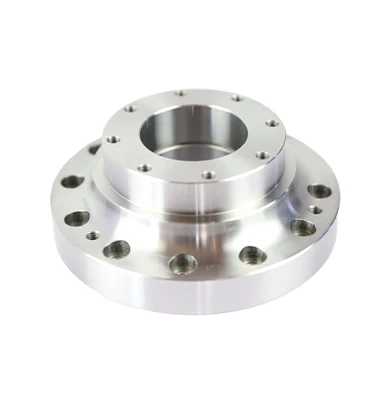
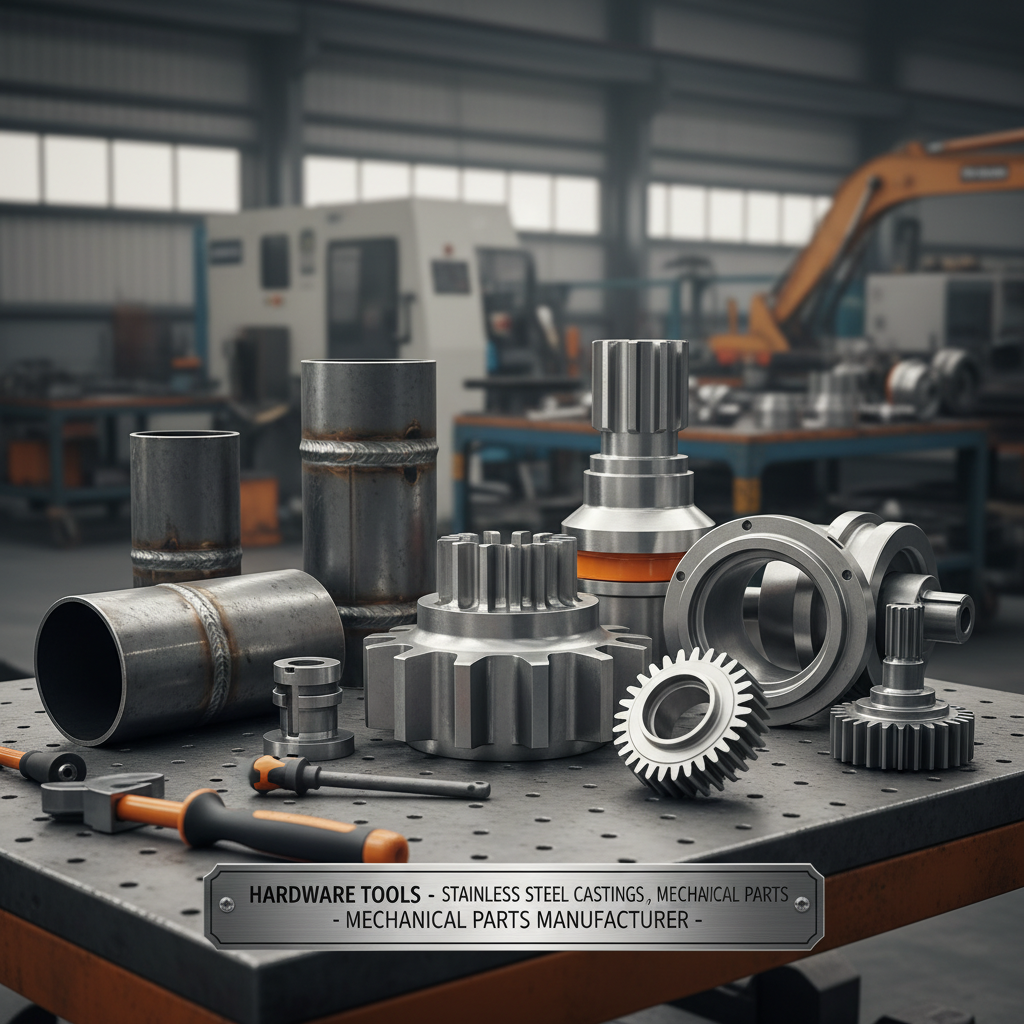
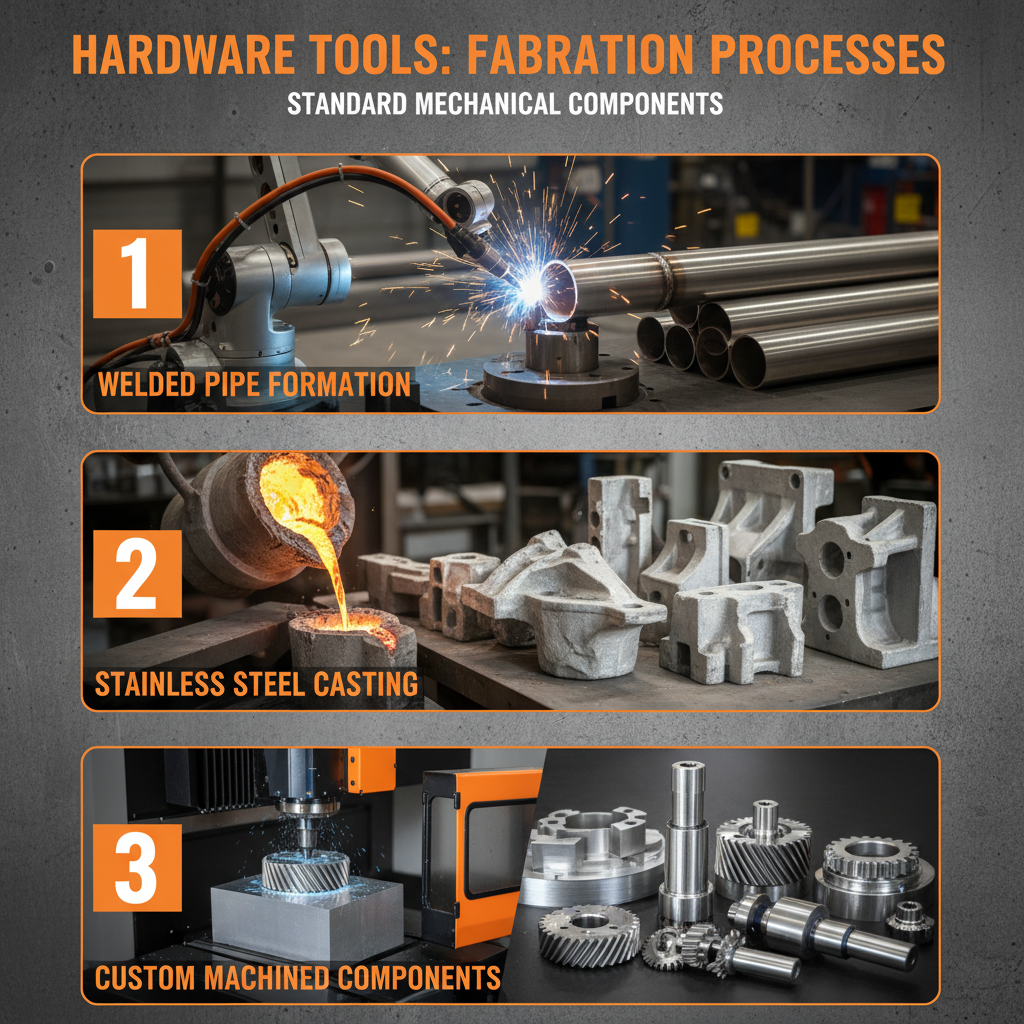
Standard mechanical components are parts designed and manufactured to meet established industry standards. This standardization allows for interchangeability – meaning a component from one manufacturer can often be used in place of a similar component from another. This simplifies design processes, streamlines procurement, and reduces the need for custom manufacturing. Common examples include bolts, nuts, screws, washers, bearings, gears, springs, and couplings. These components are typically available in a wide range of materials, sizes, and finishes to suit diverse applications.
The Advantages of Using Standard Components
Employing standard mechanical components offers several key advantages. Cost savings are significant, as mass production lowers individual unit prices. Reduced lead times are another benefit – standard parts are readily available from distributors, unlike custom-made components. This accelerates project timelines. Increased reliability is also a plus, as these components have undergone rigorous testing and quality control. Finally, standardized components simplify inventory management and maintenance, reducing logistical complexities. Using readily available components also allows engineers to focus on innovation and core design elements rather than the minutiae of part creation.
Key Advantages: Cost savings, Reduced lead times, Increased reliability, Simplified inventory management, Streamlined maintenance.
Types of Standard Mechanical Components
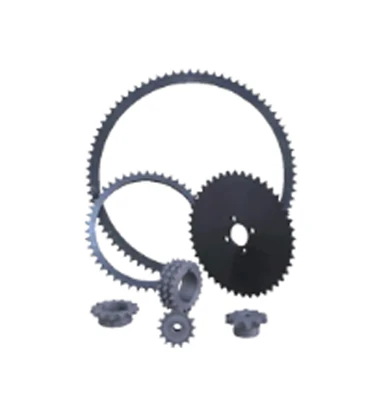
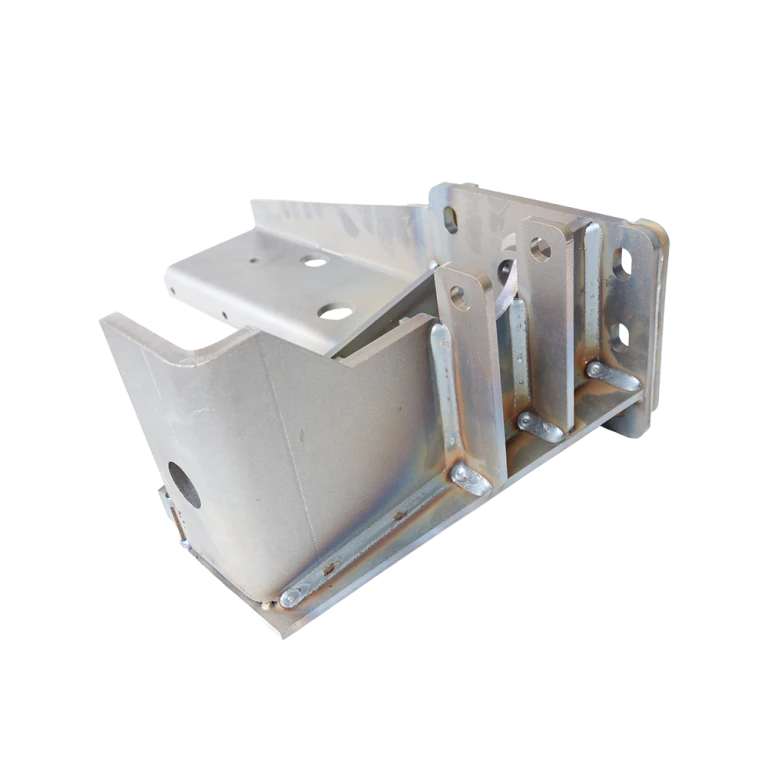
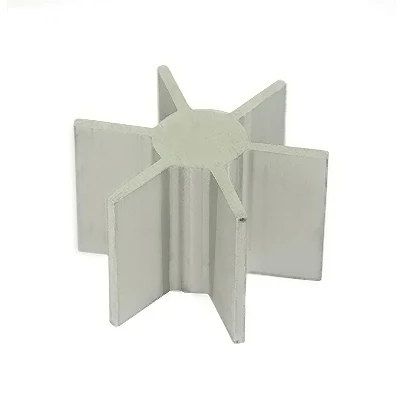
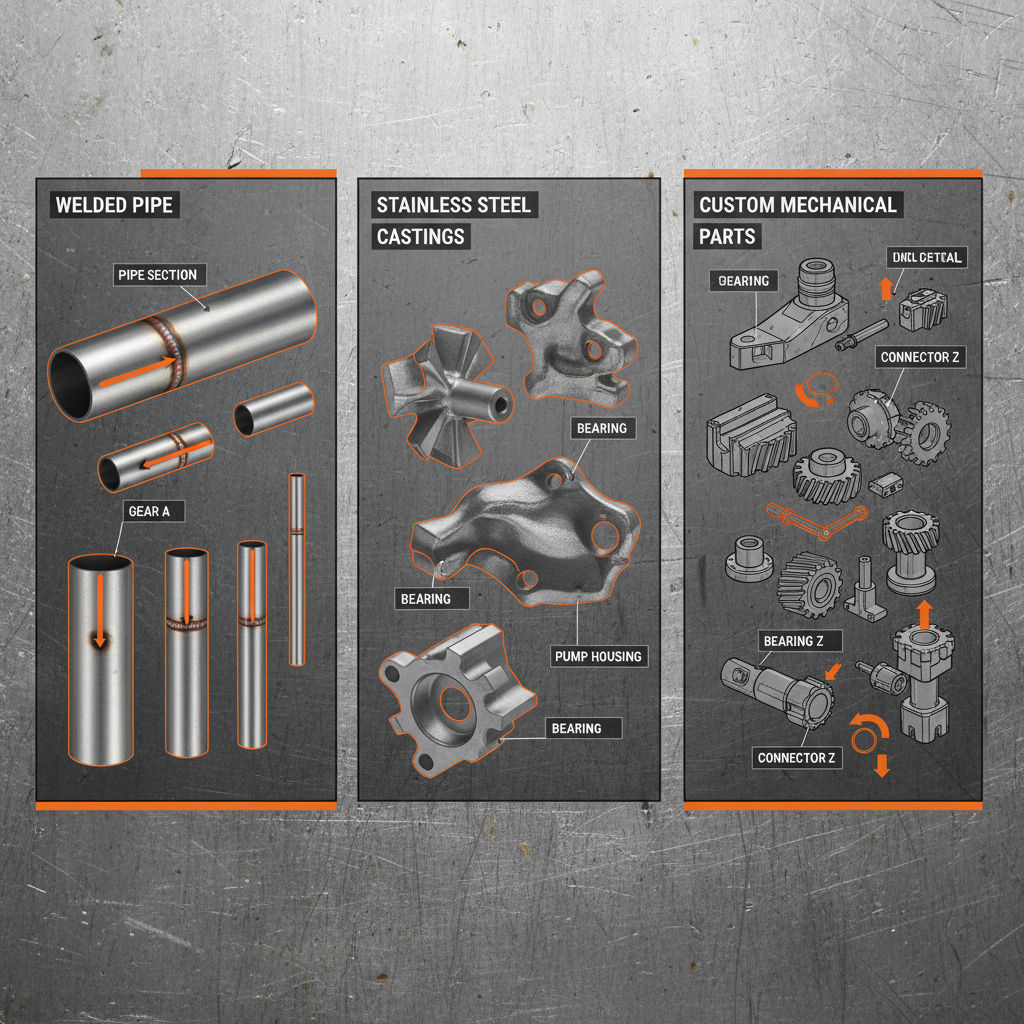
The range of standard mechanical components is vast, but they can be broadly categorized. Fasteners (bolts, screws, nuts, washers) are used for joining materials. Power transmission components (gears, pulleys, belts, chains) transfer motion and power. Bearings reduce friction and support rotating shafts. Springs store and release mechanical energy. Seals and gaskets prevent leakage. Couplings connect shafts. Structural components like brackets and supports provide framework. The selection of the appropriate component type depends heavily on the specific application and performance requirements. For specialized needs, variations within each category exist, offering tailored solutions.
Component Categories:
• Fasteners
• Power Transmission
• Bearings
• Springs
• Seals & Gaskets
Standard Mechanical Components: Materials and Their Applications
The material composition of standard mechanical components profoundly impacts their performance and suitability for different environments. Steel, in its various alloys (carbon steel, stainless steel), is a common choice due to its strength and durability. Aluminum offers a lightweight alternative with good corrosion resistance. Brass and bronze are often used for bearings and bushings due to their self-lubricating properties. Plastics like nylon and Delrin provide excellent wear resistance and insulation. Selecting the right material requires careful consideration of factors like load capacity, temperature, corrosion exposure, and friction.
Sourcing Standard Mechanical Components
Finding reliable suppliers is crucial when sourcing standard mechanical components. Online marketplaces like Alibaba and ThomasNet offer a vast selection. Specialized distributors, such as McMaster-Carr and Grainger, provide extensive catalogs and technical support. Direct sourcing from manufacturers can be cost-effective for large volumes. When evaluating suppliers, consider factors like pricing, lead times, quality certifications, and customer service. Reviewing supplier ratings and requesting samples are also recommended best practices.
Conclusion: The Cornerstone of Modern Manufacturing
Standard mechanical components are indispensable to modern manufacturing.
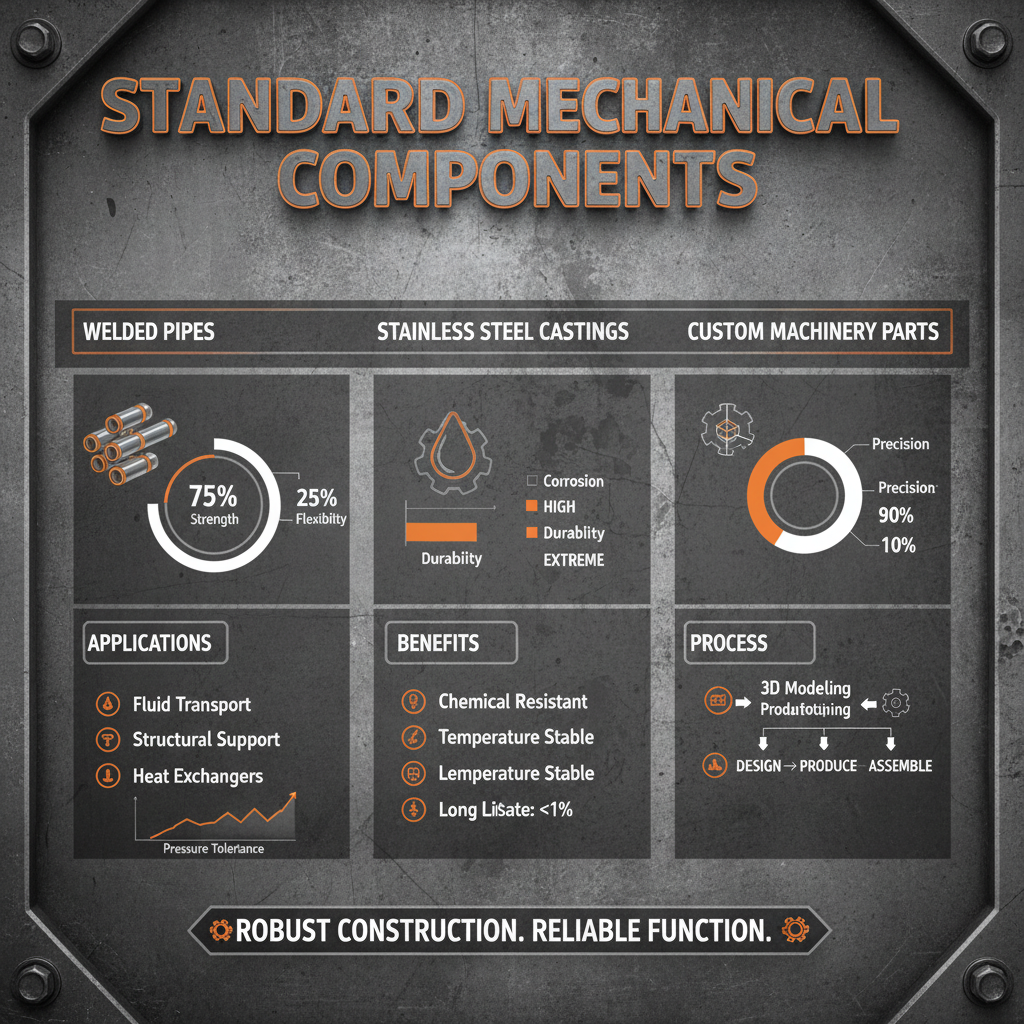
Their standardization, cost-effectiveness, and reliability make them essential for engineers, designers, and procurement professionals. By understanding the different types, materials, and sourcing options, you can optimize your projects for efficiency and success. HMIECMSP provides a wide range of high-quality standard mechanical components to meet your specific needs.
Frequently Asked Questions (FAQs)
What are the benefits of using standardized components over custom-made parts?
Standardized components offer significant advantages in terms of cost, lead time, and reliability. Custom-made parts require tooling and design time, leading to higher costs and longer delivery schedules. Standard components are mass-produced, resulting in lower unit prices and readily available stock. They have also undergone extensive testing and quality control, ensuring consistent performance. Furthermore, standardized components simplify inventory management and reduce the risk of compatibility issues.
How do I choose the right material for a mechanical component?
Material selection depends on several factors, including load requirements, operating temperature, environmental conditions, and corrosion resistance. Steel is a good choice for high-strength applications, while aluminum is suitable for lightweight designs. Brass and bronze offer good wear resistance, and plastics provide insulation and corrosion resistance. Consider the component's function, the stresses it will endure, and any potential exposure to harsh chemicals or extreme temperatures when making your decision. Consulting with a materials engineer can provide valuable insights.
Where can I find reliable suppliers of standard mechanical components?
Several online marketplaces and specialized distributors offer a wide selection of standard mechanical components. Alibaba and ThomasNet are excellent resources for finding a diverse range of suppliers. McMaster-Carr and Grainger are well-known distributors with extensive catalogs and fast shipping. For larger volumes, consider direct sourcing from manufacturers. Always evaluate suppliers based on factors like pricing, lead times, quality certifications, and customer service.
Are there any industry standards I should be aware of when selecting components?
Yes, numerous industry standards govern the design and manufacturing of standard mechanical components. Examples include ISO standards for fasteners, ANSI standards for bearings, and DIN standards for gears. Compliance with these standards ensures interchangeability, quality, and safety. It's essential to verify that the components you select meet the relevant standards for your application. Referencing industry specifications and guidelines is crucial for making informed decisions.