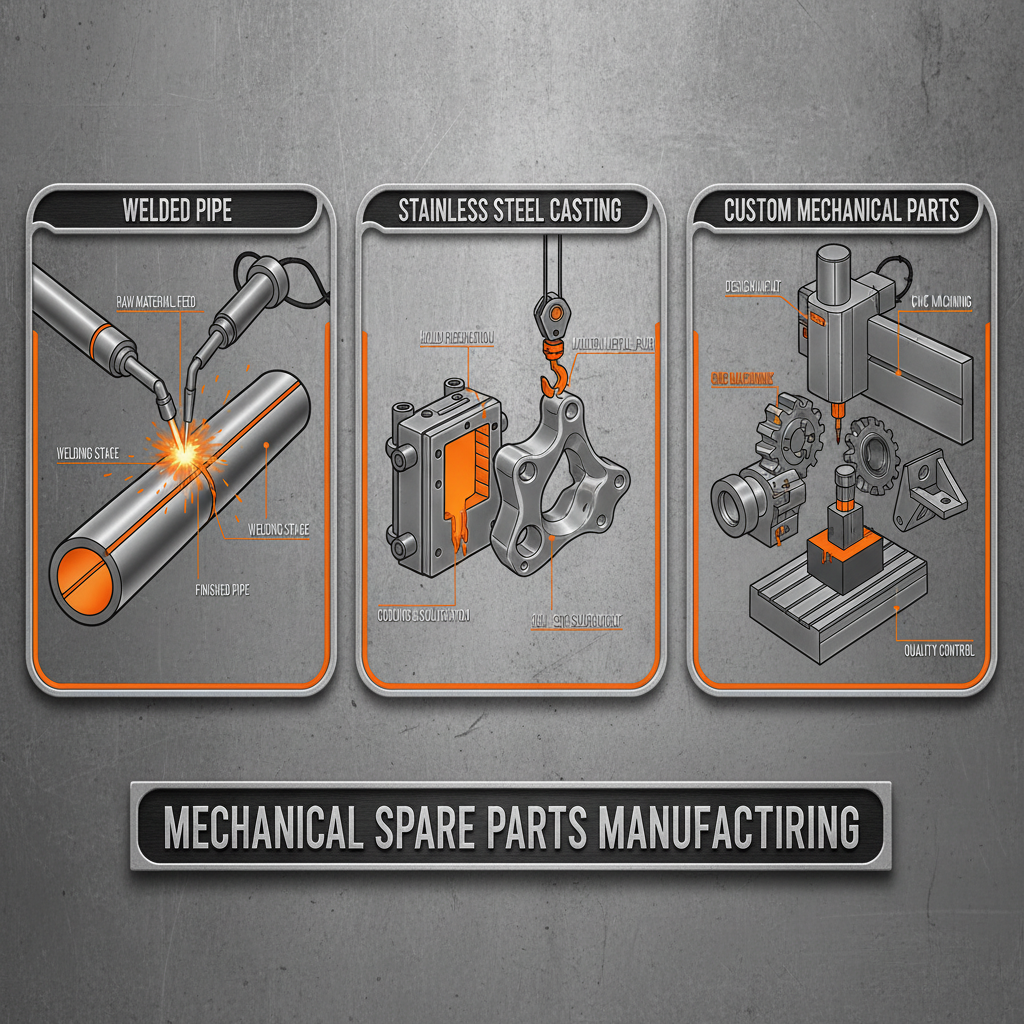
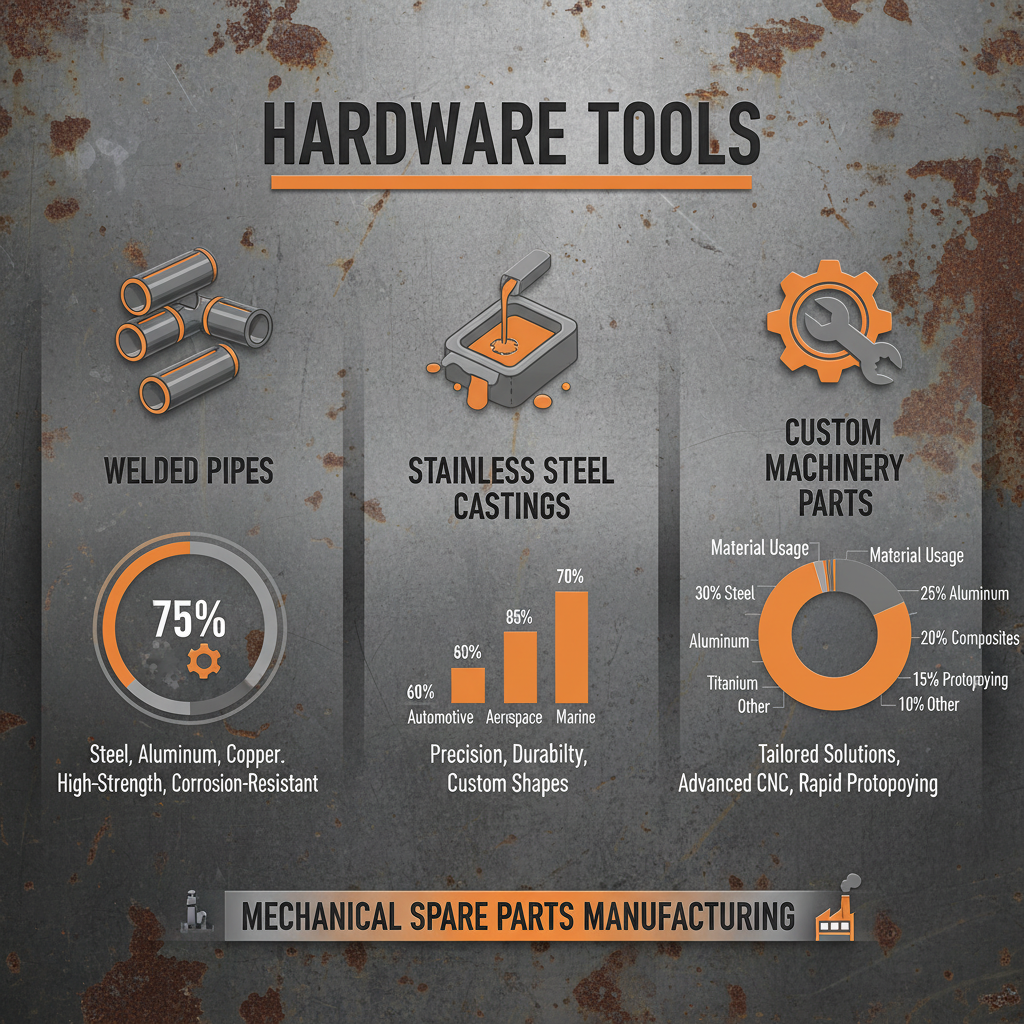
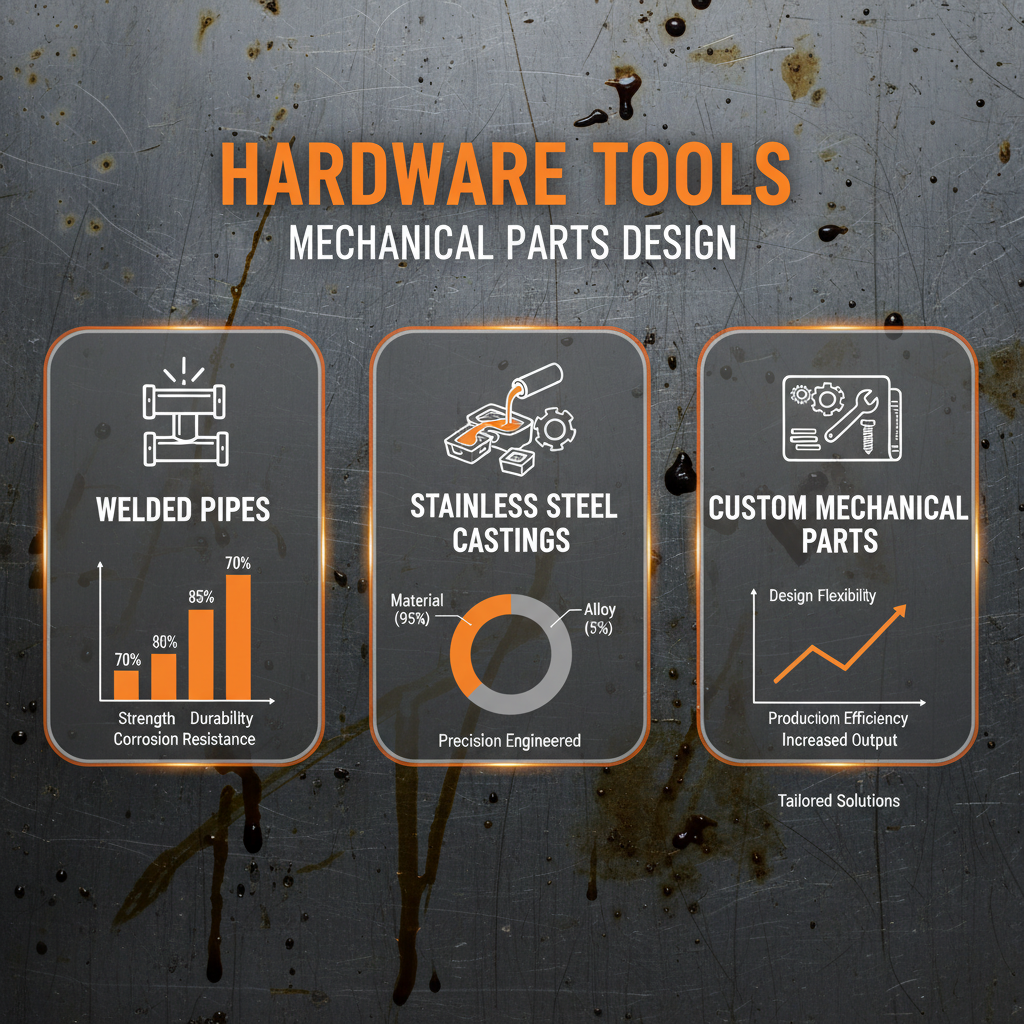
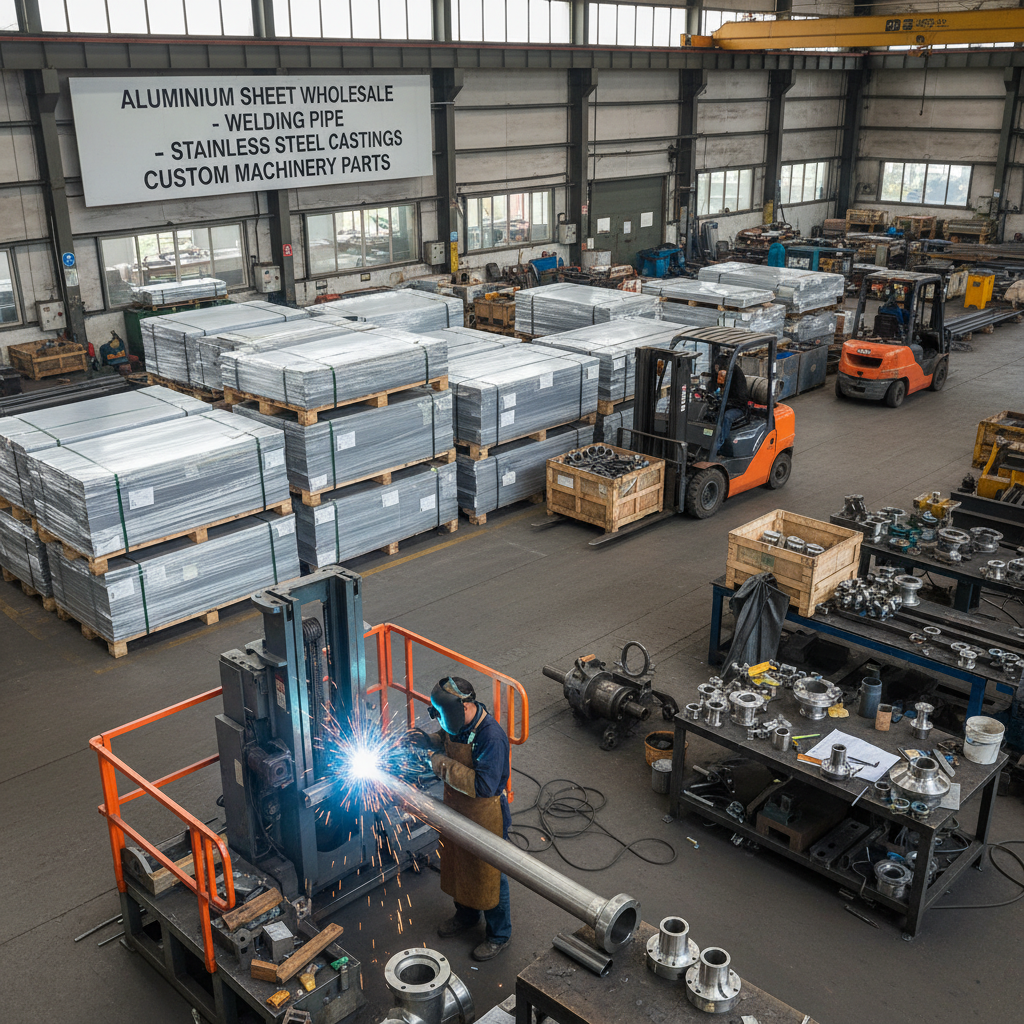
In the complex ecosystem of modern industrial operations, mechanical spare parts manufacturing serves as the critical backbone that ensures operational continuity and minimizes costly downtime. From the intricate gears of a precision instrument to the heavy-duty shafts of mining equipment, the ability to produce high-tolerance, durable components is what separates a resilient supply chain from a fragile one. Understanding the nuances of this sector is essential for procurement managers and engineers who seek to balance cost-efficiency with uncompromising quality.
Globally, the demand for specialized metal components has surged as industries shift toward more automated and high-performance machinery. The integration of advanced materials, such as high-grade aluminium and copper alloys, has redefined the boundaries of what mechanical spare parts manufacturing can achieve, allowing for lighter yet stronger parts that withstand extreme thermal and mechanical stress. This evolution is not merely about replacement; it is about the continuous optimization of machinery to meet the rigorous demands of Industry 4.0.
For businesses operating in the metal products sector, mastering the art of precision fabrication means reducing the Total Cost of Ownership (TCO) for the end-user. By focusing on the synergy between material science and machining precision, manufacturers can provide solutions that extend the lifecycle of industrial assets. Whether it is through CNC machining, casting, or specialized welding, the strategic approach to spare parts production is a primary driver of global industrial productivity and economic stability.
Global Context of Mechanical Spare Parts Manufacturing
The global landscape of mechanical spare parts manufacturing is currently shaped by a transition toward localized production and "just-in-time" delivery models. According to data aligned with ISO quality standards, the cost of unplanned downtime in heavy industry can reach millions of dollars per hour, making the availability of precise, high-quality spare parts a matter of strategic importance rather than simple maintenance.
This pressure has led to an increased reliance on diversified manufacturing capabilities, where the ability to pivot between Aluminium Bar, Copper Sheets, and complex Machining Parts allows a provider to support multiple industrial verticals simultaneously. The challenge remains in maintaining strict dimensional tolerances while scaling production to meet global demand, necessitating a blend of traditional craftsmanship and robotic precision.
Defining Precision in Spare Parts Production
At its core, mechanical spare parts manufacturing is the process of creating replacement components that match or exceed the original equipment manufacturer (OEM) specifications. It involves a sophisticated pipeline of material selection, thermal treatment, and precision subtraction or additive processes to ensure that a new part integrates seamlessly into an existing mechanical assembly without requiring extensive modification.
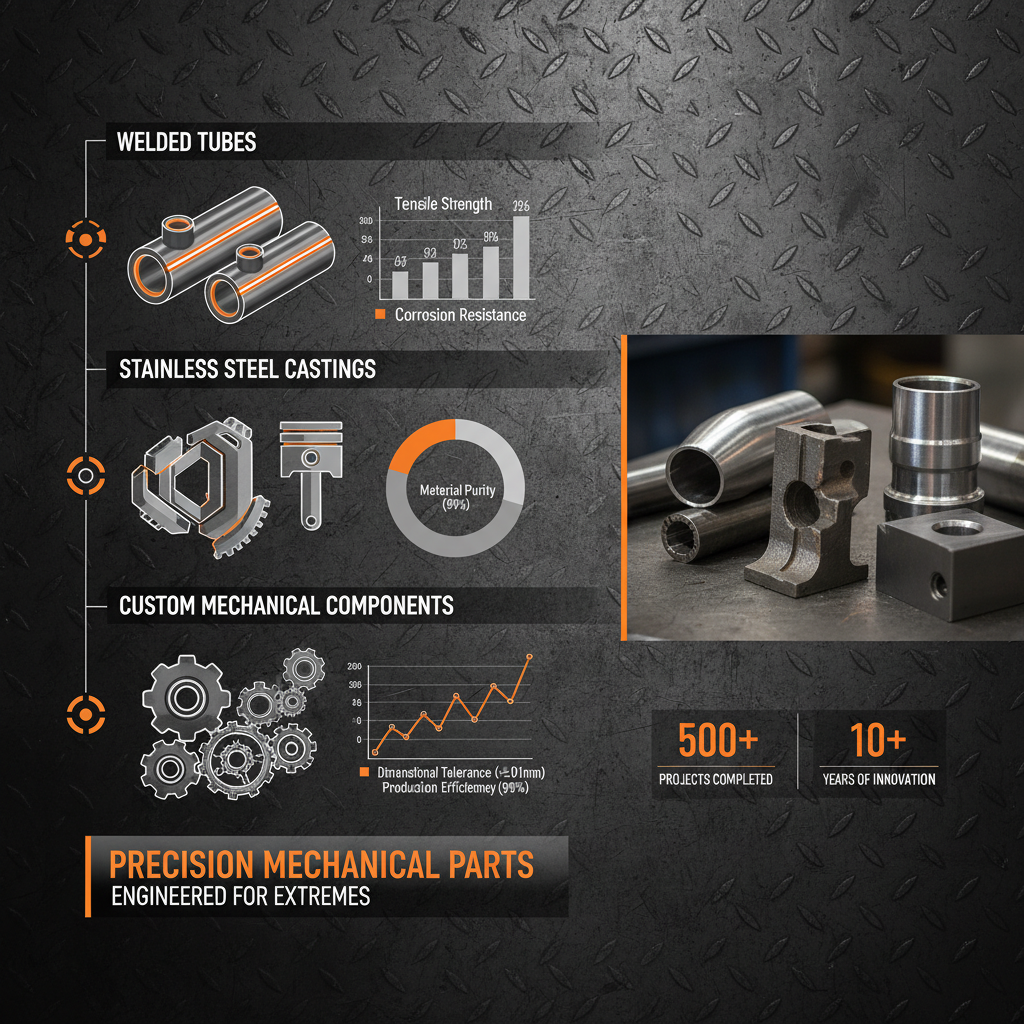
This process is inextricably linked to modern industrial sustainability. By producing high-quality assembled parts and transmission components, manufacturers enable the "repair and reuse" philosophy, extending the operational life of massive capital investments. Instead of replacing an entire machine, a targeted upgrade of a specific casting part or welded tube can restore efficiency and safety to a system.
From a technical perspective, the "meaning" of precision in this context is defined by the micron. Whether it is the flatness of a Copper Sheet or the concentricity of a Continuous Cast Iron Bar, the goal is to eliminate friction and wear. This commitment to accuracy ensures that mechanical systems operate with maximum energy efficiency and minimal vibration, which is critical for the longevity of high-speed industrial machinery.
Core Components of Manufacturing Quality
Material Integrity is the first pillar of mechanical spare parts manufacturing. Utilizing the correct grade of Aluminium Bar or Sheet Metal ensures that the component can withstand the specific stressors—be it corrosion, high temperature, or extreme pressure—of its operating environment. Without rigorous material certification, even the most precisely machined part will fail prematurely.
Dimensional Accuracy and Tolerance Control represent the second critical factor. In the realm of mechanical spare parts manufacturing, "close enough" is never enough. The use of advanced CNC machining and CMM (Coordinate Measuring Machine) inspection ensures that every machining part fits perfectly, reducing the risk of mechanical failure and improving the overall safety of the assembly.
Surface Engineering and Finishing constitute the final essential element. Whether it is a polished Copper Foil or a hardened Casting Part, the surface treatment determines the part's resistance to wear and friction. Proper heat treatment and coating processes are what allow spare parts to operate in harsh environments, such as chemical plants or maritime settings, without degrading.
Industrial Applications and Global Use Cases
The application of mechanical spare parts manufacturing spans nearly every sector of the global economy. In the automotive industry, the production of precision transmission parts and machined components allows for the maintenance of aging fleets and the prototyping of new electric vehicle drivetrains. Similarly, in the aerospace sector, the use of high-strength aluminium sheets and specialized welded tubes is paramount for maintaining structural integrity under extreme pressure changes.
In remote industrial zones, such as mining operations in the Andes or oil rigs in the North Sea, the ability to source rapidly manufactured, high-durability spare parts is a lifeline. These organizations rely on manufacturers who can produce "on-demand" components—such as heavy-duty casting parts—that can be shipped and installed quickly to prevent millions of dollars in lost production.
Efficiency Ratings of Different Spare Parts Production Methods
Long-Term Value and Reliability Benefits
Investing in high-tier mechanical spare parts manufacturing yields tangible economic benefits through the reduction of the "Failure Rate per Thousand Hours" (FRPH). When a company utilizes premium materials like high-grade copper bars and foils, the electrical and thermal conductivity of the components is optimized, leading to lower energy consumption and reduced heat-related wear over the long term.
Beyond the numbers, there is a psychological and operational value in reliability. The trust a plant manager has in their equipment allows for more aggressive production schedules and bolder innovation. Knowing that a replacement part—whether it's a complex assembled part or a simple sheet metal component—will fit perfectly and last longer than the OEM original provides a competitive edge in market responsiveness.
Future Trends in Metal Component Fabrication
The future of mechanical spare parts manufacturing is being rewritten by the convergence of digital twinning and additive manufacturing. Digital twins allow engineers to simulate the wear and tear of a part in a virtual environment before it is even produced, ensuring that the final metal component is optimized for its specific stress profile, thereby eliminating the "trial and error" phase of spare parts design.
Sustainability is also driving a shift toward "Green Metallurgy." The industry is seeing a rise in the use of recycled aluminium and copper, processed through low-carbon smelting techniques, without compromising the mechanical properties of the final part. This ensures that the industrial growth of tomorrow does not come at the expense of the environment.
Furthermore, the integration of AI-driven quality control is reducing waste. Automated optical inspection (AOI) systems can now detect microscopic fissures in casting parts or deviations in welded tubes that the human eye would miss. This transition toward "Zero-Defect Manufacturing" is the next frontier for the spare parts industry, ensuring absolute reliability for critical infrastructure.
Overcoming Challenges in Spare Parts Supply
One of the primary challenges in mechanical spare parts manufacturing is the "Legacy Part Paradox," where the original drawings for a 30-year-old machine no longer exist. To solve this, modern manufacturers employ reverse engineering techniques, using 3D laser scanning to recreate the exact geometry of a worn part, which is then optimized using modern materials to improve upon the original design.
Another hurdle is the volatility of raw material prices for copper and aluminium. Companies are overcoming this by establishing strategic partnerships and implementing lean inventory management. By optimizing the use of material—for example, nesting sheet metal parts more efficiently—manufacturers can maintain stable pricing for their clients despite market fluctuations.
Finally, the skill gap in traditional machining is being addressed through the adoption of cobots (collaborative robots). By combining the intuition of a master machinist with the repeatability of a robot, factories can produce high-complexity machining parts at a fraction of the previous lead time, ensuring that the global supply chain remains agile and responsive.
Comparative Analysis of Manufacturing Solutions for Spare Parts
| Component Category |
Primary Material |
Precision Level |
Durability Score (1-10) |
| Transmission Gears |
Alloy Steel / Iron |
Ultra-High |
9.8 |
| Heat Exchanger Fins |
Copper Sheet |
Medium |
8.5 |
| Engine Housings |
Aluminium Casting |
High |
8.2 |
| Structural Brackets |
Sheet Metal |
Standard |
7.5 |
| Hydraulic Tubes |
Welded Steel/Copper |
High |
9.0 |
| Precision Shafts |
Machined Alloy |
Ultra-High |
9.6 |
FAQS
The best approach is through reverse engineering. By providing a sample of the worn part or using 3D laser scanning, our mechanical spare parts manufacturing process can recreate the exact dimensions. We then use CAD software to optimize the part for current material standards, ensuring a perfect fit and improved longevity compared to the original.
It depends on the application. Cast iron is superior for high-load, low-speed applications due to its vibration damping and compressive strength. Aluminium is preferred for high-speed components where weight reduction is critical and corrosion resistance is required. Our engineers analyze the stress profile of your part to recommend the ideal material.
Lead times vary based on complexity. Simple sheet metal or bar components can often be produced in days. Highly complex assembled parts or custom castings may take several weeks. However, by utilizing rapid prototyping and CNC automation, we strive to minimize downtime and accelerate the delivery of critical spares.
In many cases, they are more durable. Because we use the latest material science and precision machining techniques, we can often upgrade the material grade or improve the heat treatment process. This results in a part that not only meets OEM specs but exceeds them in terms of wear resistance and service life.
Every part, regardless of order size, undergoes a rigorous inspection process. We use CMM (Coordinate Measuring Machines) and ultrasonic testing for casting parts to ensure no internal voids exist. Each shipment is accompanied by a quality certification report, guaranteeing that the tolerances match your requirements.
Yes, we can work from 2D blueprints, PDF drawings, or digital CAD files. Our engineering team reviews the drawing to ensure all tolerances are achievable and suggests material optimizations where necessary to enhance the part's performance within your specific industrial application.
Conclusion
In summary, mechanical spare parts manufacturing is far more than a simple replacement service; it is a sophisticated blend of material science, precision engineering, and strategic logistics. By focusing on high-grade materials like aluminium and copper and leveraging advanced CNC and casting technologies, manufacturers can significantly reduce industrial downtime and enhance the overall efficiency of global production lines. The synergy between dimensional accuracy and material integrity remains the gold standard for ensuring machinery longevity.
Looking forward, the industry will be defined by the ability to integrate digital intelligence with physical fabrication. Those who embrace additive manufacturing and AI-driven quality control will not only survive but lead the market in providing sustainable, high-performance components. For businesses seeking to optimize their operational resilience, investing in a reliable partner for spare parts production is the most effective way to future-proof their assets. Visit our website: www.hmiecmsp.com