





How to Choose Assembled Parts for Fit, Processing and Inspection
Assembled parts suit buyers who need multiple fabricated components joined into a larger component. We help you choose the right route by checking drawing requirements, materials, joining processes, surface treatment, inspection needs and the level of process control required for the finished assembly.

Drawing completeness, including dimensions, tolerances, joint locations and any machining requirements
Material and joining-process compatibility for carbon steel, stainless steel, aluminum alloys and other specified materials
Required fabrication scope, including cutting, bending, machining, assembly and batch-production needs
Surface treatment requirements, including preparation, coating type and protected areas
Inspection and acceptance requirements, including non-destructive testing, load testing, airtightness inspection or helium leak detection where applicable
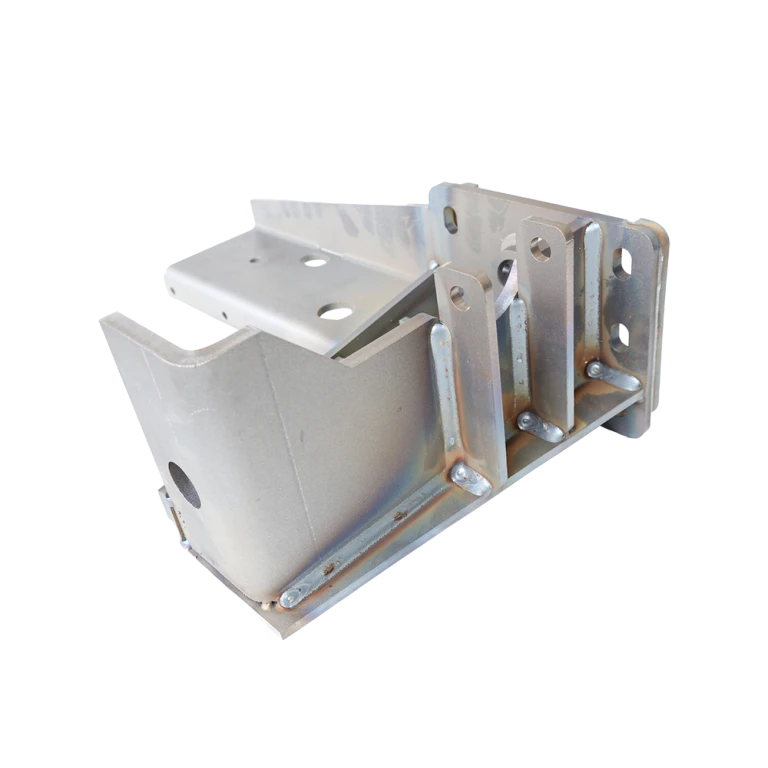
Assembled parts suit projects where several fabricated components must become one larger component or mechanical subassembly. We join parts made from different materials and produced through different techniques, using processes such as welding and riveting. The purchase decision rests on the drawing, material choices, joining method, finishing scope and inspection plan.
Start with the drawing and the assembly function
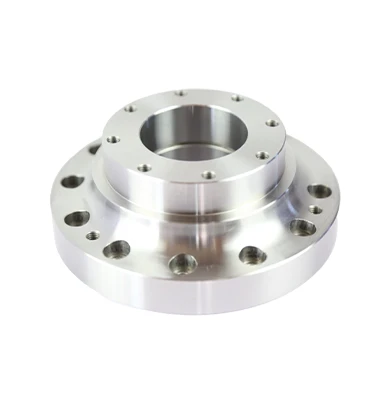
A drawing gives us the information needed to plan the work: component geometry, joining locations, machining requirements and final acceptance points. Send the latest revision with dimensions, tolerances, joint locations and notes about surfaces or inspection. We can carry out further machining when the drawing requires it, so the assembled component is prepared for its next manufacturing stage.
Picture a fabricated frame, bracketed housing or other larger component arriving ready for the next operation. The useful question is how much work should be completed before delivery. If the assembly needs additional holes, faces or other machined features, include them in the drawing instead of treating the assembly as a simple welded structure.
Match the material to the joining process
Material selection affects the process plan. We work with carbon steel, stainless steel, aluminum alloys and other materials through welding processes that include TIG, MIG/MAG and submerged arc welding. The suitable route depends on the material combination, joint design, section size and production requirements shown in the drawing.
Choose assembled parts when the required component combines multiple fabricated pieces and the joint design is already defined. For mixed-material assemblies, identify every material and its location. This lets us plan the joining sequence and any later machining or surface treatment around the complete component.
Riveting is another assembly process for suitable designs. Use the drawing to identify where a riveted joint is required, which parts are connected and which surfaces must remain accessible. Welding and riveting should be selected against the joint shown on the drawing.
Decide how much fabrication should be included
We can organize work from raw material processing through cutting, bending, welding, modular assembly, coating and inspection. Cutting options include flame cutting and laser cutting. Bending can be carried out with manual or CNC bending machines, depending on the required shape and angle control. This route fits projects where several operations need to remain coordinated around one finished component.
A buyer ordering only a joined group of parts should identify the operations that must be completed before assembly. A buyer preparing a component for immediate use should show the machining, coating and inspection requirements in the same manufacturing package. The choice affects the handoffs your team will need to manage after delivery.
For batch production, we can use automated welding workstations with welding robots and positioners. Certified senior welders are also part of our production capability. Tell us the expected quantity and repeatability requirements with the drawing so the process plan matches the order.
Specify the surface treatment and working environment
Surface treatment should follow the component's use and drawing requirements. We provide sandblasting, derusting, polishing, painting and powder coating. These processes can be selected for appearance, preparation or corrosion-related requirements, including projects intended for high-corrosion environments.
If a coating is required, identify the surfaces to be treated, the areas that must remain free of coating and the point in the assembly sequence where treatment should occur. This matters when machining, joining and coating are all part of one order. A clear coating instruction helps us keep the finish aligned with the component's next installation or assembly step.
Build inspection into the purchase specification
Inspection requirements should be tied to the risks and acceptance points in the drawing. We provide ultrasonic testing and X-ray inspection for quality control, along with customized acceptance protocols that can include load testing and airtightness inspections. Helium leak detection and non-destructive testing are also available for applicable requirements.
Select the inspection method by identifying the joint, surface or performance point that needs checking. For an airtight component, include the airtightness inspection in the acceptance plan. For welded areas where internal discontinuities matter, identify the relevant non-destructive testing requirement. For a component subject to a specified load, include the load-testing requirement and acceptance criteria.
This approach is useful when your receiving team needs a defined inspection record instead of a general visual check. Include inspection locations, test methods and acceptance requirements with the drawing package so the finished assembled component can be evaluated against the same purchase specification.
Use one process plan for a complex component
Our workflow can run from drawings to process planning, material procurement, machining, assembly, coating, inspection and delivery. That sequence suits a buyer who wants one coordinated route for a component made from multiple parts and processes. It also gives you a clear way to decide which operations belong in the purchase order.
For example, a component may begin with laser-cut or flame-cut material, move through bending, receive TIG, MIG/MAG or submerged arc welding, then undergo machining, coating and inspection. The actual route depends on the drawing and required acceptance points. Send the component drawings, material list and finishing instructions together so the production plan covers the complete assembly.
Our assembled parts suit industrial buyers who need a larger fabricated component made from joined parts, with machining, surface treatment or inspection coordinated around the finished unit. They fit projects that already have defined drawings and acceptance requirements. Before requesting a quote, prepare the drawing revision, material details, joint method, quantity, finish and inspection points.
Questions to settle before ordering
Should the order specify manual or CNC bending?
Specify CNC bending when the drawing makes angle control a defined requirement. Manual bending remains an available route for assemblies where the drawing and process plan allow it. Include the required shape and angles with the component drawing so we can assign the bending method before welding and later assembly operations are planned.
When should an automated welding workstation be considered?
Consider an automated welding workstation when the order is for batch production and repeatability is part of the requirement. Our workstations use welding robots with positioners. Give us the expected quantity together with the joint details, because those two pieces of information determine whether the batch should be planned around automated welding or senior-welder production.
Which cutting method should appear in the drawing package?
Name the cutting operation when it is part of your required process route. We provide both flame cutting and laser cutting, so the drawing package should identify the cut geometry and any downstream bending, welding or machining that follows it. This keeps the selected cutting stage connected to the complete assembly plan.
When should helium leak detection be included?
Include helium leak detection when the component's acceptance plan requires it. It is available alongside ultrasonic testing, X-ray inspection and other non-destructive testing options. Identify the relevant area and acceptance point in the purchase specification so the inspection stage is assigned to the finished component rather than left as a general quality request.
Prepare the package for a usable quote
Choose assembled parts when your component needs joined fabricated pieces with coordinated machining, treatment or inspection. We can plan the route around your drawings and produce a larger component for the next stage of your manufacturing process. Send the latest drawings, material list, joining method, quantity, finish requirements and inspection criteria for a quote.

About the author
The company
HEBEI WINDZONE TRADING CO., LTD.
HEBEI WINDZONE specialises in exporting mechanical components and related materials that demonstrate our professionalism and dedication in the field. Our team has over 20 years of experience in this field. Currently, our clients are spread across Europe, Southeast Asia, Oceania, North America, and Africa. Our professional supply control and cultivated relationships with different manufacturers assure a stable and reliable source of goods.
About Us ↗Visit company website ↗