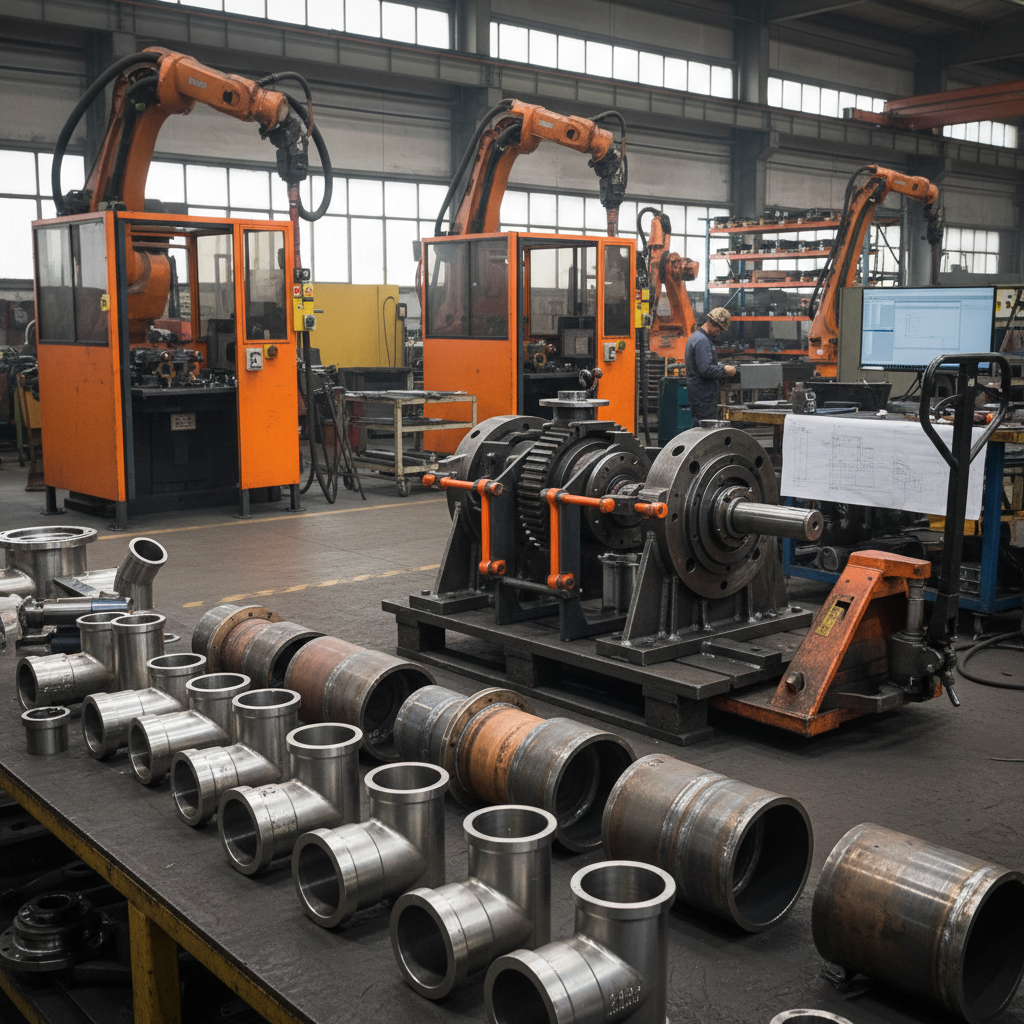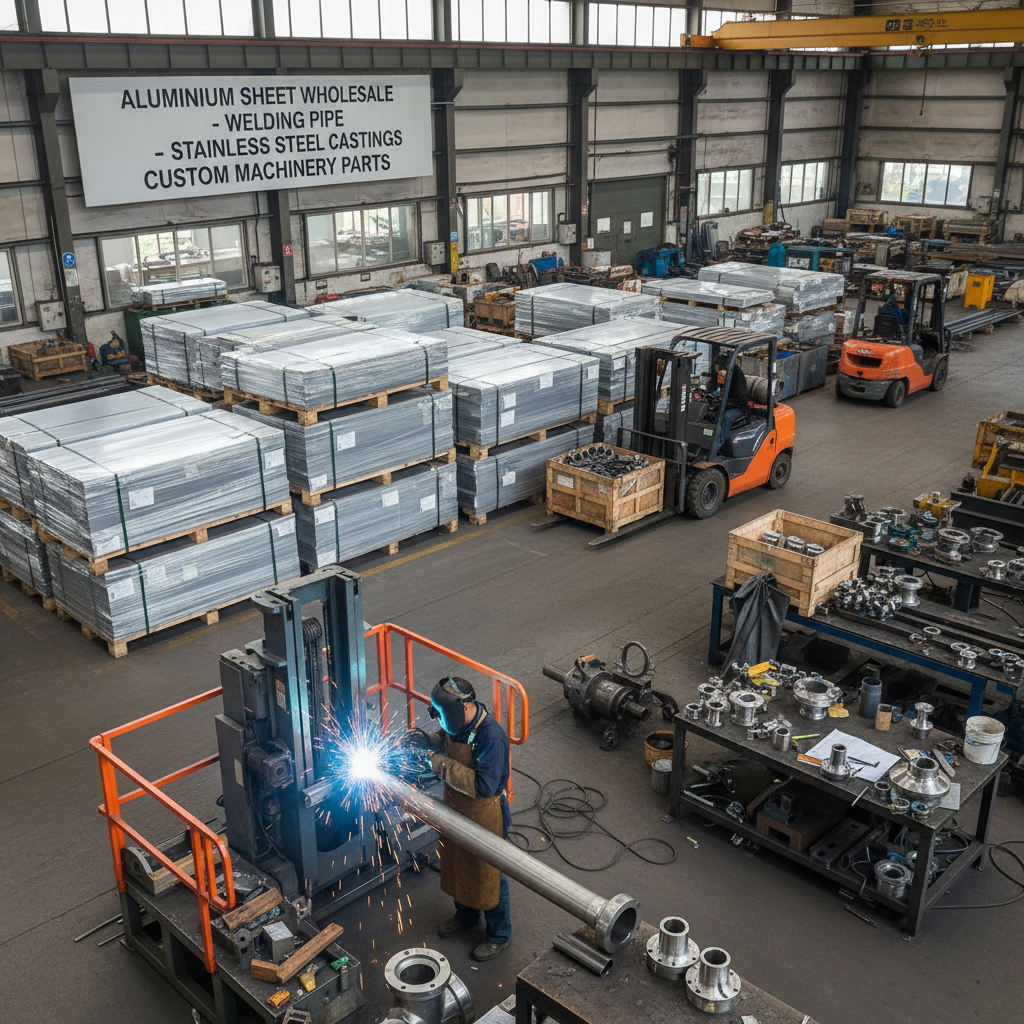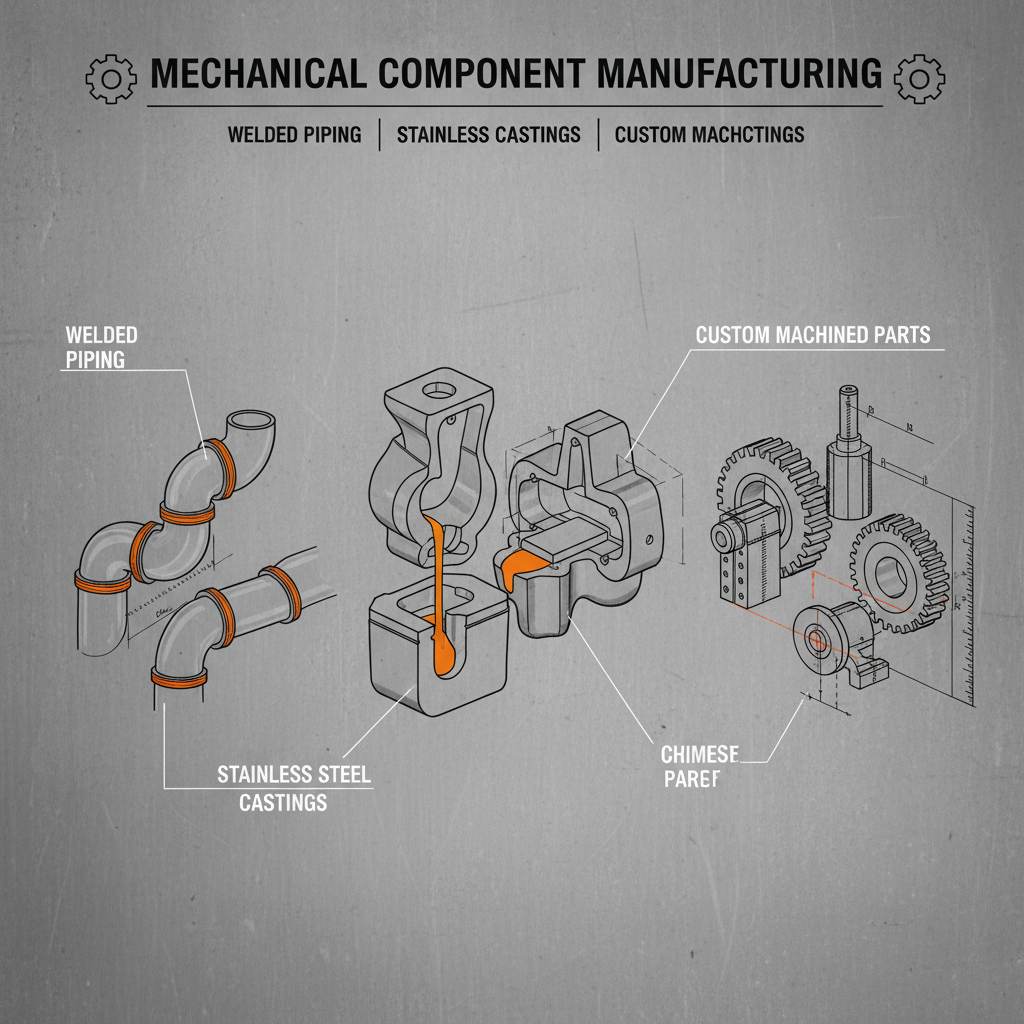






Machining parts suppliers are specialized industrial partners providing precision-engineered components through subtractive manufacturing processes. These suppliers utilize CNC milling, turning, and EDM technology to produce critical spare parts, ranging from simple mechanical fasteners to complex transmission assemblies, ensuring that industrial machinery operates with minimal friction and maximum accuracy.
For procurement managers in the metal products industry, the challenge lies in balancing tight tolerances with supply chain reliability. Inconsistent part quality or delayed deliveries can lead to catastrophic production downtime, increasing the total cost of ownership and eroding operational margins in high-stakes environments like automotive or oil and gas sectors.
This technical guide analyzes how to evaluate machining parts suppliers based on material traceability, certification standards, and manufacturing capabilities. By understanding the critical selection criteria, buyers can optimize their sourcing strategy and secure components that meet rigorous ISO and CE compliance requirements.

1Core Capabilities of Precision Machining Suppliers

Professional machining parts suppliers integrate various production methods to deliver a full spectrum of components. This includes CNC machining for complex geometries, casting for heavy-duty structural parts, and sheet metal forming for housings and brackets. The ability to handle multiple processes under one roof reduces the risk of dimensional deviations that occur when parts are moved between different vendors.
Modern suppliers also offer OEM/ODM engineering services, allowing them to collaborate with client teams on DFMA (Design for Manufacturing and Assembly) analysis. This ensures that the final part is not only precise but also optimized for cost-effective production, reducing material waste and machining hours.
Advanced capabilities often extend to specialized processes like Electrical Discharge Machining (EDM) for hard metals and precision buffing for high-surface-finish requirements, ensuring that components fit perfectly into legacy systems or new prototypes.
2Material Selection and Technical Specifications
The performance of a machined part is fundamentally tied to the raw material. Top-tier machining parts suppliers provide a wide array of materials, including Aluminium bars and sheets, Continuous Cast Iron, Copper alloys (Cr-Zr, Cu-ETP), and various grades of alloy steel. Each material is chosen based on the part's requirement for hardness, conductivity, or corrosion resistance.
Technical specifications usually focus on tolerances and surface finishes. For instance, EDM machine parts may require tolerances as tight as ±0.005mm, while larger casting parts may allow for ±0.10mm. Surface roughness (Ra) is another critical metric, especially for parts involving high-speed rotation or fluid seals.
Using the wrong material grade can lead to premature wear or structural failure. For example, using standard carbon steel where HSS or Carbide is required for threading dies will result in significantly shorter tool life and increased downtime.
3Critical Applications in Industrial Machinery
Machined components are the backbone of heavy industry. In arc welding systems, precision copper electrodes and cast iron fixtures are vital for maintaining weld quality. In EDM machines, graphite electrodes and Cu-W guides ensure the accuracy of the spark erosion process, directly impacting the final product's dimensional integrity.
Beyond specialized machinery, transmission parts and assembled components are used in automotive production lines and aerospace assemblies. These parts must withstand high cyclic stress and temperature fluctuations, requiring rigorous heat treatment and surface hardening processes.
In the oil and gas sector, custom threading machine parts—such as alloy steel dies—enable the processing of X80 high-strength pipes. The precision of these threads is critical for preventing leaks in high-pressure environments, where a deviation of a few microns can lead to safety hazards.
4Performance Metrics and Quality Control
Measuring the success of a supplier requires looking beyond the unit price. Key Performance Indicators (KPIs) include the CPK (Process Capability Index), the percentage of rework, and the on-time delivery rate. A CPK ≥1.67 on critical dimensions indicates a highly stable manufacturing process with minimal defect rates.
Quality control has evolved from manual caliper measurements to AI-powered vision inspection systems. These systems can detect micron-level defects and surface irregularities that are invisible to the human eye, ensuring that every batch of parts is consistent regardless of production volume.
machining parts suppliers Performance Metrics
By utilizing Statistical Process Control (SPC), suppliers can track trends in tool wear and machine drift, allowing them to make adjustments before parts fall out of tolerance. This proactive approach minimizes scrap and ensures that the final shipment meets all technical drawings.
5Procurement Strategies for Custom Components
Sourcing custom machining parts requires a strategic approach to avoid supply chain gaps. Procurement teams should evaluate whether a supplier can provide both the raw material (e.g., Continuous Cast Iron Bar) and the final machining. This vertical integration reduces the risk of material delays and ensures better quality oversight.
When requesting quotes, it is essential to provide comprehensive technical drawings including GD&T (Geometric Dimensioning and Tolerancing) symbols. Ambiguous drawings often lead to "standard" parts that do not fit the actual machine configuration, resulting in costly modifications.
Implementing a "Sample First" policy is highly recommended. Verifying a prototype's fit and function before committing to a large order prevents the risk of receiving hundreds of unusable components due to a misunderstanding of the design intent.
6Compliance Standards and Global Logistics
In regulated industries, compliance is not optional. Machining parts suppliers must adhere to ISO 9001 for quality management, CE for European market entry, and RoHS for hazardous substance restriction. These certifications provide an objective baseline for the supplier's internal controls and product safety.
Logistics for industrial parts often involve heavy weights and precise delivery windows. Experienced exporters offer a variety of terms including FOB, CIF, and DDP, and possess the expertise to handle customs documentation for various regions including Europe, the Americas, and Southeast Asia.
Efficient logistics management also involves strategic packaging to prevent oxidation and physical damage during transit. For precision-ground parts, vacuum sealing and anti-corrosion oil coatings are necessary to maintain the surface finish upon arrival at the client's facility.
7Selecting the Right Supplier for Your Needs
Choosing between suppliers requires a weighted analysis of cost, quality, and lead time. While low-cost quotes are tempting, they often hide costs related to poor fit, accelerated wear, and emergency freight. A comprehensive evaluation should prioritize the supplier's technical support and engineering capabilities.
The following table compares different supplier tiers to help procurement leaders determine the best fit for their specific project requirements, whether they need rapid prototyping or high-volume production.
| Supplier Type | Best Use Case | Main Strength | Primary Limitation |
|---|---|---|---|
| General Machine Shop | Simple Parts | Low Unit Cost | Low Quality Consistency |
| Specialized Factory | Precision Components | Tight Tolerances | Higher Lead Times |
| Integrated Supplier | Complex Assemblies | One-Stop Sourcing | Higher Initial Setup Cost |
| OEM Supplier | Exact Replacements | Guaranteed Fit | Highest Cost |
| ODM Partner | New Product Dev | Engineering Support | Longer Dev Cycle |
| Trading Agent | Diverse Sourcing | Broad Network | Indirect Quality Control |
Ultimately, the ideal machining parts supplier is one that views itself as a technical partner rather than just a vendor. This partnership is characterized by transparent communication regarding material limitations and a shared commitment to reducing the total cost of ownership through engineering excellence.
Frequently Asked Questions
Conclusion
Selecting the right machining parts suppliers is a critical decision that impacts the long-term reliability and efficiency of industrial operations. By focusing on material traceability, strict adherence to tolerances, and the supplier's ability to provide integrated engineering support, procurement teams can effectively mitigate supply chain risks and reduce operational costs.
For organizations seeking high-precision components with guaranteed compliance, reviewing detailed product specifications and sampling is the best path forward. Further technical information and available product solutions can be explored at www.hmiecmsp.com to ensure your machinery remains productive and compliant.