


wx
WeChat
email
tel
yun-21
up

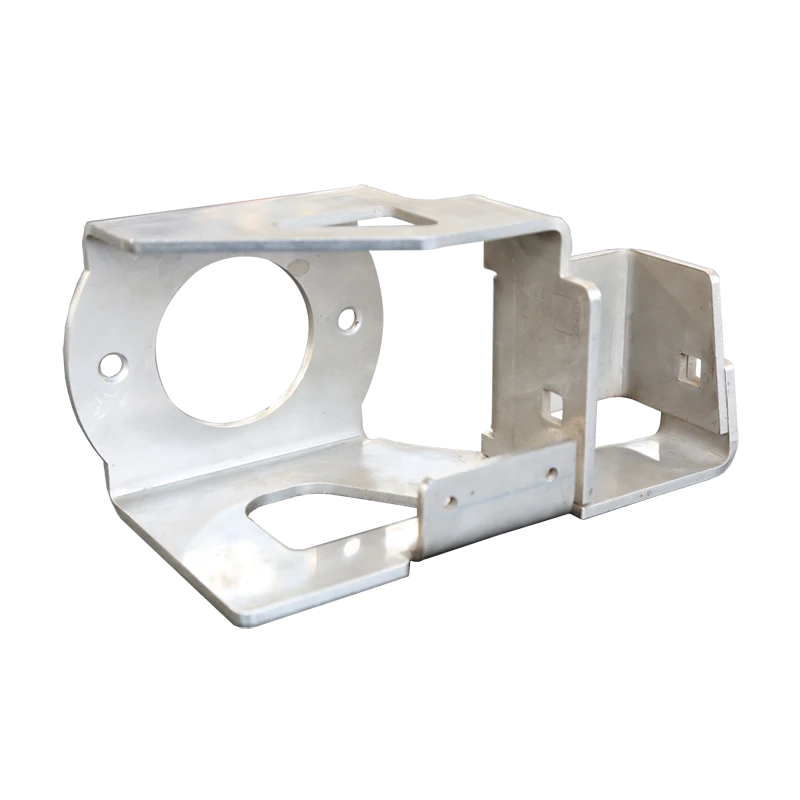
High-Precision extrusion machine parts Solutions for Canadian Industry

Engineering superior metal components tailored for North America's most demanding manufacturing environments, ensuring durability and operational efficiency.

High-Precision extrusion machine parts Solutions for Canadian Industry

Providing a comprehensive range of specialized metal components designed to withstand the rigorous operational cycles of the Canadian industrial sector.

The Current State of Metal Component Manufacturing in Canada

Analyzing the intersection of extreme climates and high-performance industrial requirements.

In Canada, the demand for industrial machine parts is heavily influenced by the country's vast geographic scale and extreme temperature fluctuations. Manufacturers in provinces like Ontario and Quebec require materials that can resist thermal contraction and expansion while maintaining tight tolerances, making high-grade alloy steel essential for operational stability.

The agricultural heartlands of the Prairies create a specialized niche for heavy-duty agricultural machinery parts. These components must withstand abrasive soil conditions and the corrosive effects of seasonal road salts and moisture, driving the shift toward advanced surface coatings and heat-treated metals to prevent premature wear.

Furthermore, the rise of high-tech biotech and pharmaceutical hubs in Vancouver and Toronto has increased the precision requirements for autoclave machine parts. These parts must meet stringent hygiene and pressure standards, necessitating the use of medical-grade stainless steels and vacuum-tight sealing technologies to ensure safety and compliance.
Evolution and Trajectory of Metal Fabrication

From traditional casting to AI-driven precision machining.

Market Development History

Historically, the Canadian metal industry relied on heavy casting and manual milling during the post-war industrial boom (1950s-1970s), focusing on bulk production of rugged components for mining and rail.

The 1990s marked a pivot toward CNC (Computer Numerical Control) integration, allowing for the mass production of complex grinder machine parts with significantly reduced lead times and improved repeatability.

Since 2010, the transition toward "Industry 4.0" has introduced additive manufacturing and real-time sensor integration, transforming how custom metal components are designed and validated for the North American market.

Future Development Trends

Additive Manufacturing Integration

The shift toward 3D metal printing will allow for the creation of lightweight, topologically optimized parts that reduce energy consumption in heavy machinery.

Smart Metallurgy

Implementation of self-healing alloys and nano-coatings to extend the lifecycle of wear-prone components in harsh Canadian winters.

Predictive Maintenance Ecosystems

Integrating IoT sensors into metal parts to provide real-time wear data, shifting the industry from reactive replacement to predictive servicing.

Industry Trends and Future Outlook

Driving competitiveness through technological innovation and sustainability.

Eco-Friendly Materials
Adopting recycled alloys and low-carbon smelting processes to meet Canada's strict environmental regulations.
Precision Automation
Implementing AI-driven quality control to achieve micron-level accuracy in all metal fabricated parts.
Hybrid Manufacturing
Combining subtractive milling with additive layering to optimize strength-to-weight ratios.
Supply Chain Localization
Reducing lead times through regional distribution hubs and JIT (Just-In-Time) delivery models.

Industry Outlook

Based on Google search trends for "precision engineering Canada," there is a surging interest in customized metal solutions that reduce downtime. The market is shifting toward high-durability components that can operate in autonomous systems.

Over the next 3-5 years, we expect a significant increase in the adoption of smart metal components that integrate sensors for self-diagnosis, particularly in the energy and aerospace sectors of North America.

Localized Application Scenarios in Canada

Real-world deployment of precision metal components across diverse Canadian industries.

01. Prairie Province Grain Harvesting

Deployment of reinforced agricultural machinery parts in Saskatchewan to handle high-volume canola and wheat harvesting during peak seasons.

02. Ontario Automotive Assembly Lines

Integration of high-tolerance industrial machine parts for robotic welding arms, ensuring 24/7 operational consistency in Windsor's auto plants.

03. Alberta Oil Sands Extraction

Utilizing wear-resistant grinder machine parts for the processing of bitumen-rich sands, focusing on abrasion resistance in extreme cold.

04. Quebec Aerospace Component Fabrication

Applying specialized extrusion machine parts for the production of lightweight aluminum frames for aircraft wings and fuselage.

05. British Columbia Biomedical Sterilization

Supply of high-pressure autoclave machine parts for university research labs in Vancouver, ensuring absolute sterility and vacuum integrity.

Brand Story

Global Development History of Hebei Yunzong Trade Co., Ltd.

Foundation and Vision

Established with a mission to bridge the gap between raw metal fabrication and high-precision industrial requirements, focusing on durability.

Technical Breakthroughs

Invested heavily in CNC and heat-treatment technologies to solve the chronic failure of parts in corrosive environments.

Market Expansion

Successfully entered the North American market by tailoring components to meet CSA and ANSI standards for safety and precision.

Sustainable Innovation

Launched a green-manufacturing initiative to reduce waste and introduce recyclable alloy options for global clients.

Global Leadership

Now recognized as a trusted partner for complex metal fabrication, providing end-to-end solutions from design to delivery.

Comprehensive Metal Component Portfolio for Canada

A curated selection of high-performance parts designed for North American industrial standards.

Industrial Metal Parts FAQ - Canada

Addressing common technical queries from our Canadian partners.

How do your industrial machine parts handle extreme Canadian winter temperatures?

We use low-temperature impact-resistant alloys and specialized coatings that prevent brittle fracture at temperatures as low as -40°C.

Are the agricultural machinery parts compatible with North American standards?

Yes, all our components are engineered to meet or exceed SAE and ANSI standards, ensuring seamless integration with major equipment brands.

What materials are used for autoclave machine parts to ensure sterilization?

We primarily use 316L surgical-grade stainless steel, providing exceptional corrosion resistance to steam and chemical agents.

Can you customize extrusion machine parts for specific alloy profiles?

Absolutely. We offer full custom CAD design and rapid prototyping for extrusion dies and liners tailored to your specific material requirements.

What is the expected lifespan of your grinder machine parts in high-abrasion settings?

Through advanced carburizing and nitriding heat treatments, our parts typically offer a 30-50% increase in wear life compared to standard components.

Do you provide certification for metal parts used in Canada's energy sector?

Yes, we provide full material mill certificates and quality inspection reports (ASTM/ISO) to ensure complete traceability and compliance.

Request a Custom Engineering Consultation

Get professional technical support for your metal fabrication needs in Canada. Our engineers are ready to optimize your operations.

Contact Us Now
Whatsapp email to up

If you are interested in our products, you can choose to leave your information here, and we will be in touch with you shortly.