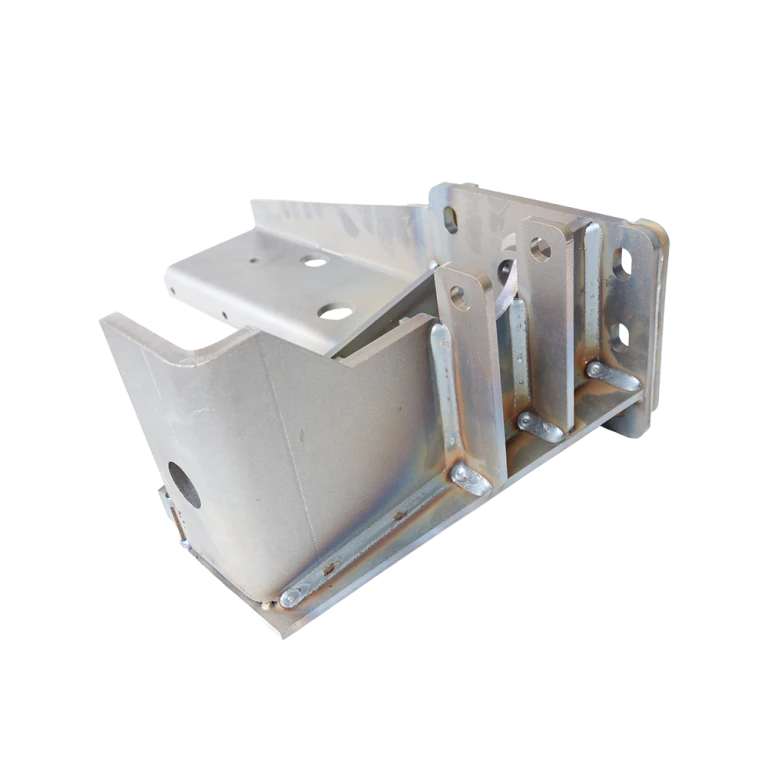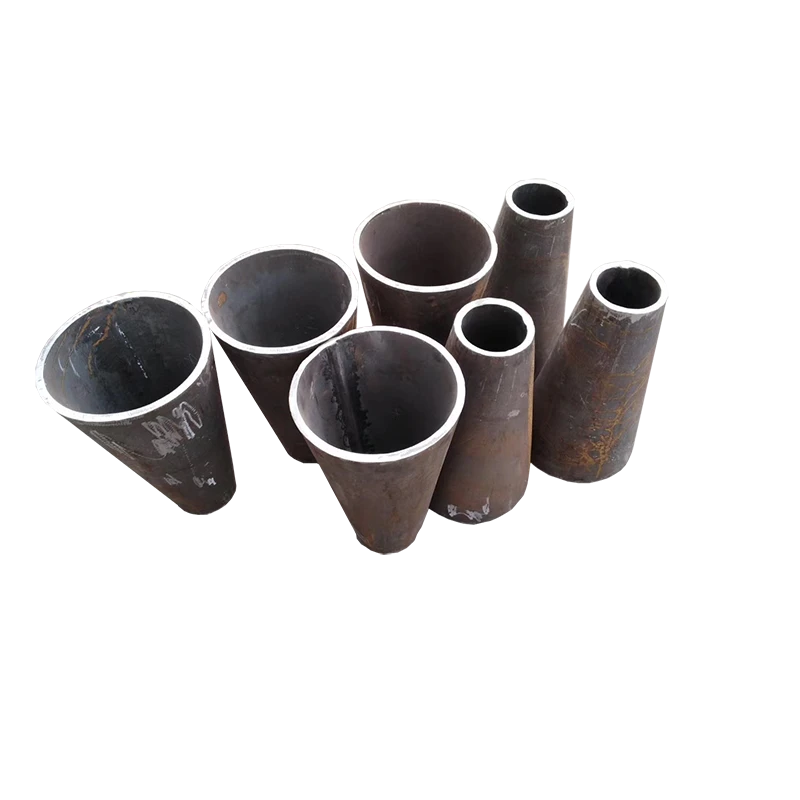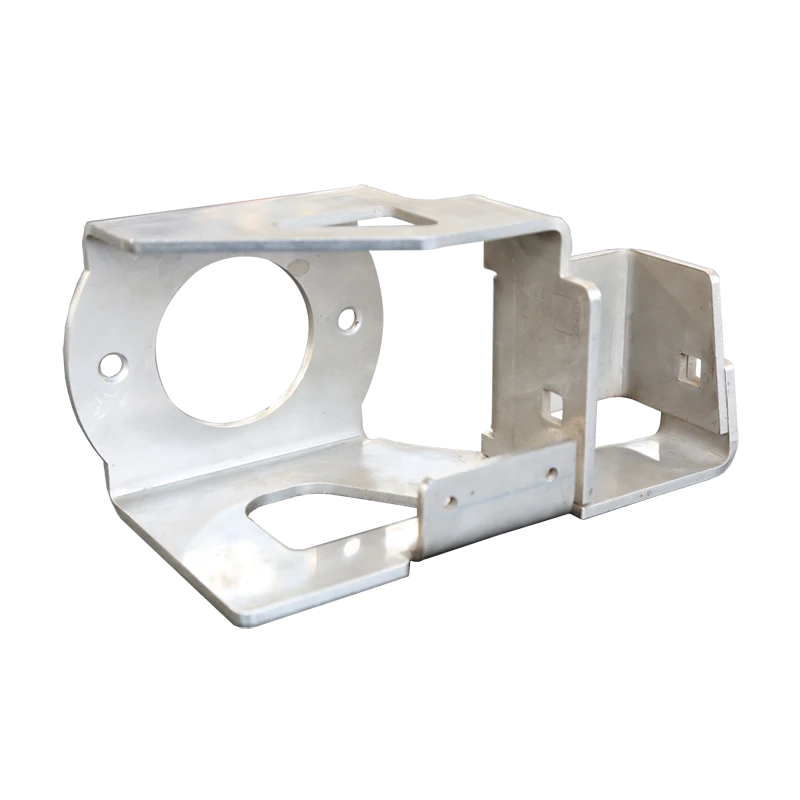






The industrial landscape in Nigeria currently faces a significant gap between the demand for high-performance industrial machine parts and the local fabrication capacity. With a tropical climate causing accelerated corrosion and high humidity, standard metal parts often fail prematurely, leading to costly unplanned downtime in factories across Lagos and Kano.
The agricultural sector, a backbone of the Nigerian economy, struggles with the scarcity of specialized agricultural machinery parts. Many farmers rely on outdated equipment or improvised repairs, which reduces efficiency and crop yield, highlighting a critical need for standardized, durable metal components that can withstand the rigors of local soil conditions.
Furthermore, the healthcare and food processing industries are seeing a rise in the use of sterilization equipment, yet the availability of high-grade autoclave machine parts remains limited. This dependence on long-lead-time imports creates a bottleneck for critical sanitation and medical processing capabilities within the region.