





Comprehensive Guide to Mechanical Spare Parts Manufacturing and Sourcing Solutions
Mechanical Spare Parts Manufacturing: A Comprehensive Guide
In today’s global industrial landscape, the reliable supply of high-quality mechanical spare parts is crucial for maintaining operational efficiency and minimizing downtime. This article delves into the intricacies of mechanical spare parts manufacturing, exploring the processes, materials, quality control, and key considerations for businesses sourcing these critical components. We will cover everything from initial design to final delivery, highlighting best practices and emerging trends within the industry. Efficient mechanical spare parts manufacturing ensures uninterrupted production and reduces overall operational costs.
The Manufacturing Process: From Design to Delivery
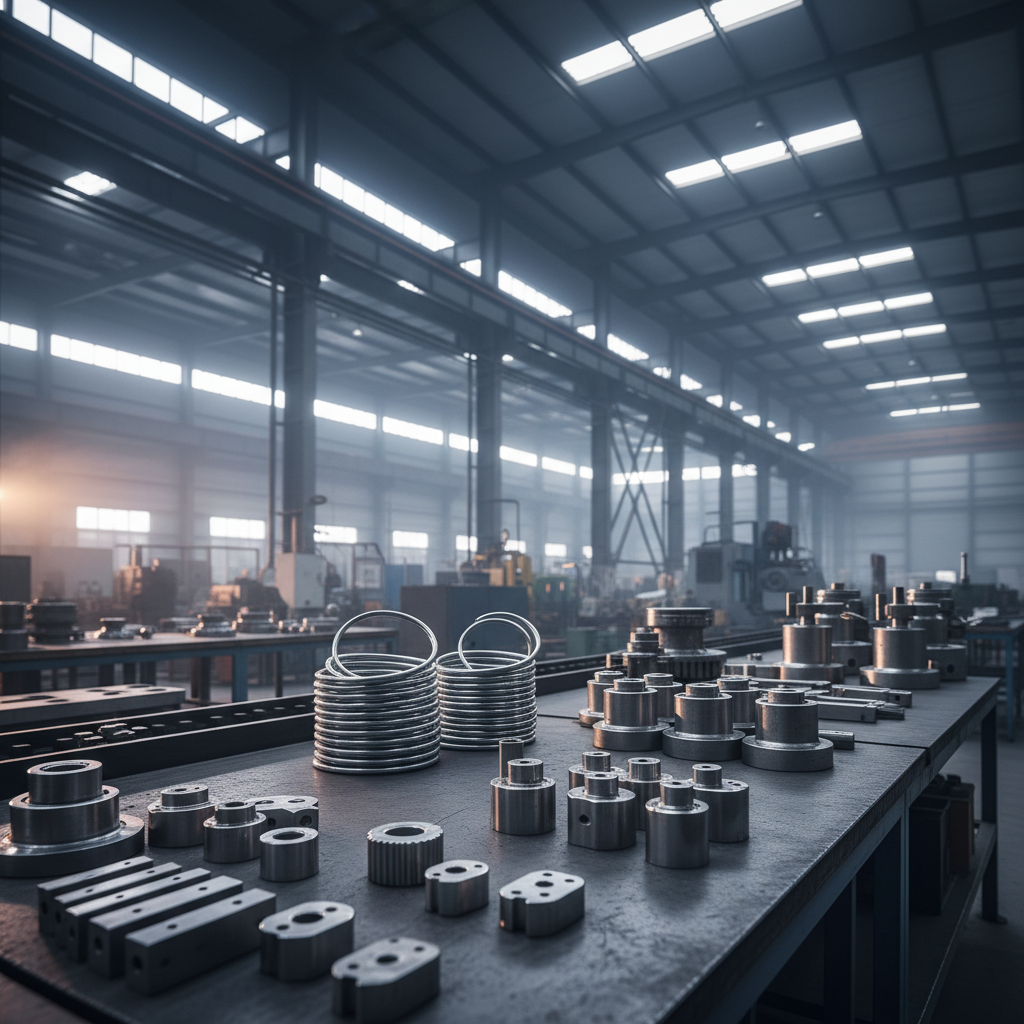
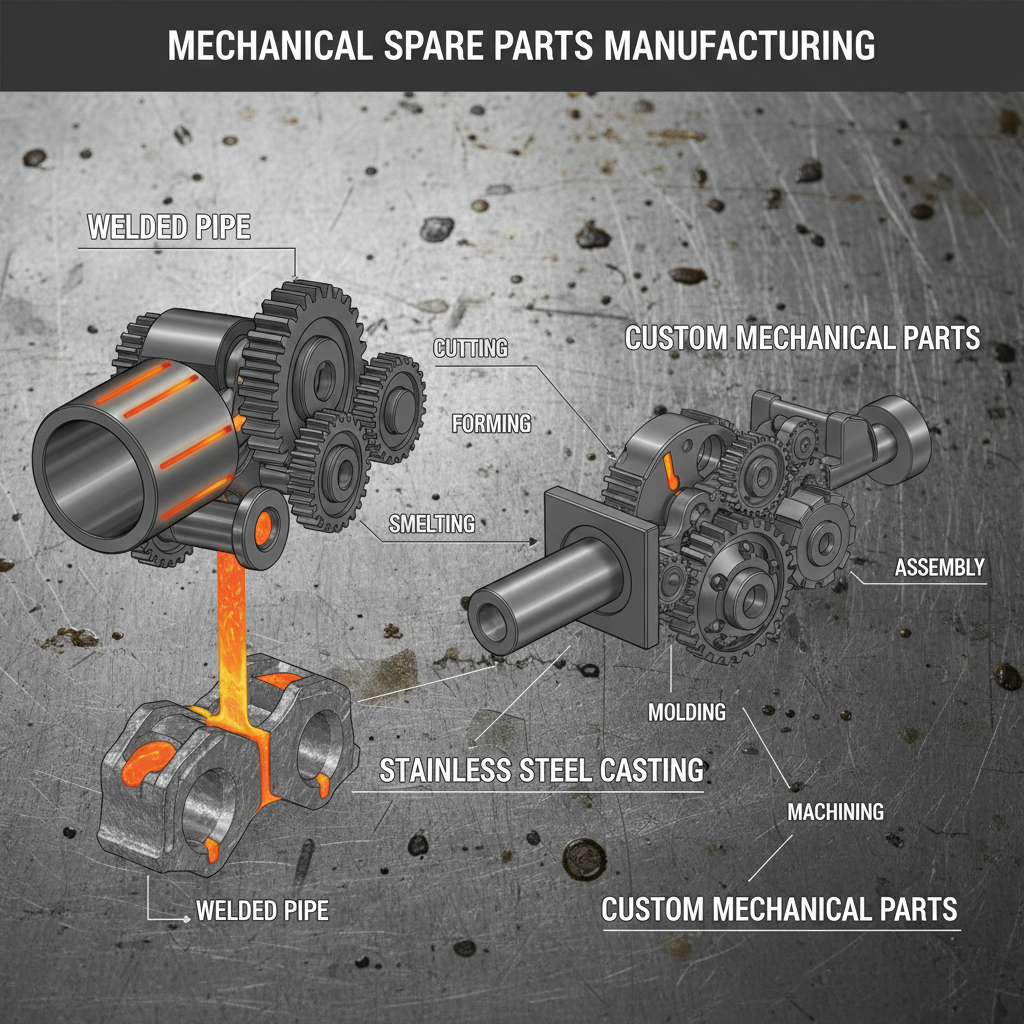
The journey of a mechanical spare part from concept to completion involves a series of meticulously orchestrated steps. It typically begins with engineering design, often utilizing CAD/CAM software to create precise blueprints. Next, material selection is critical, considering factors like strength, durability, and resistance to wear and tear. Manufacturing techniques employed range from CNC machining and casting to forging and stamping. Following production, rigorous quality control inspections ensure adherence to specifications. Finally, packaging and logistics handle the safe and efficient delivery of the finished parts. HMIE CMSP specializes in streamlining this entire process, delivering consistent quality and timely delivery.
Key Processes: Engineering Design, Material Selection, CNC Machining, Casting, Forging, Quality Control, Packaging, and Logistics.
Materials Used in Mechanical Spare Parts Manufacturing
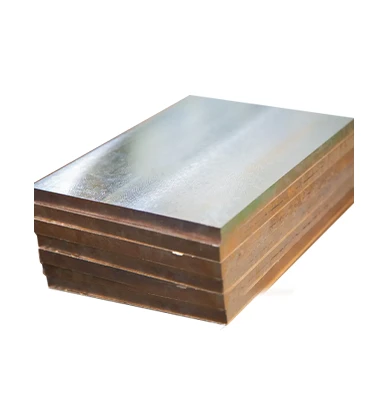
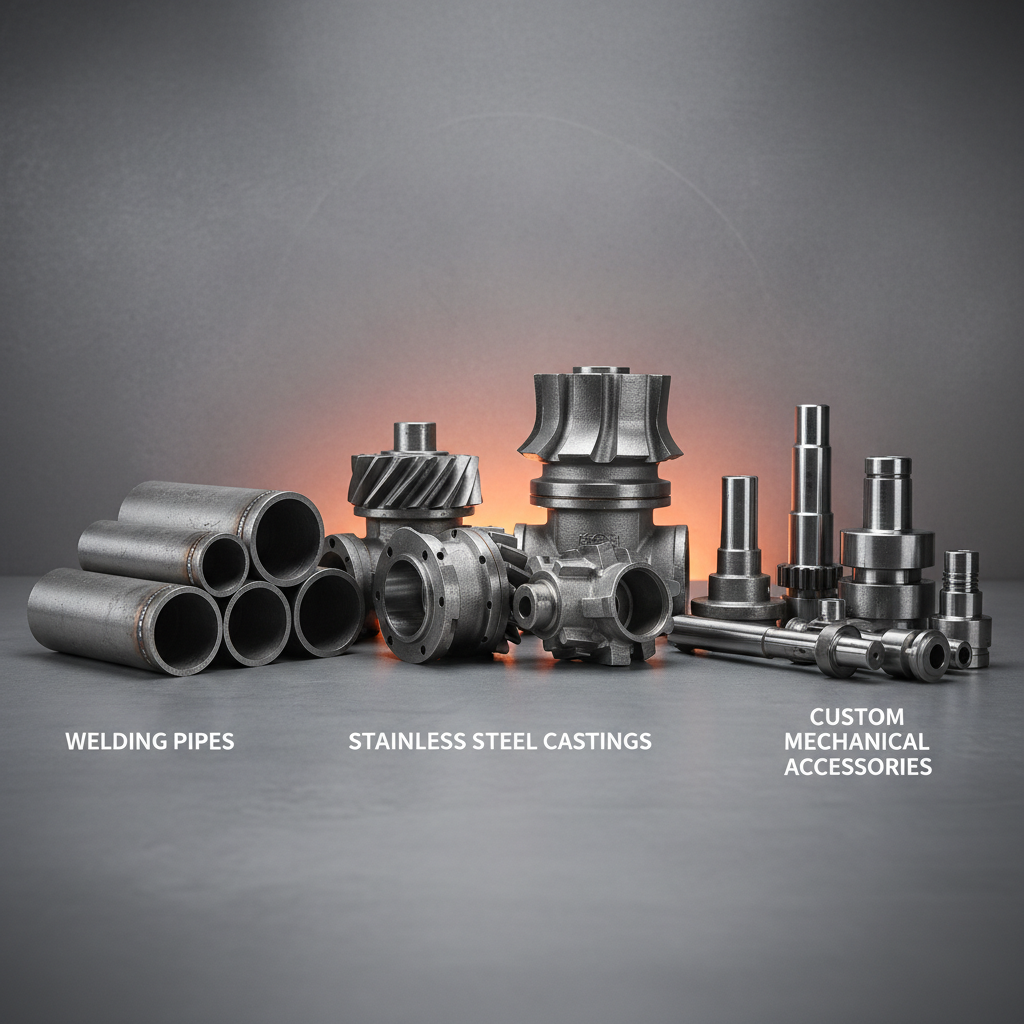
The choice of material significantly impacts the performance and longevity of mechanical spare parts. Common materials include various grades of steel (carbon steel, stainless steel, alloy steel), aluminum alloys, brass, bronze, and polymers. Each material offers unique characteristics suited for specific applications. For instance, stainless steel provides excellent corrosion resistance, making it ideal for marine or chemical processing environments. Aluminum alloys are favored for their lightweight properties and high strength-to-weight ratio. Polymer materials offer vibration dampening and electrical insulation. Understanding these material properties is paramount in ensuring the part's functionality and durability. HMIE CMSP offers expertise in material selection to optimize performance and cost-effectiveness.
Common Material Properties:
• Strength & Durability
• Corrosion Resistance
• Weight
• Temperature Resistance
Mechanical Spare Parts Manufacturing Processes: A Comparison
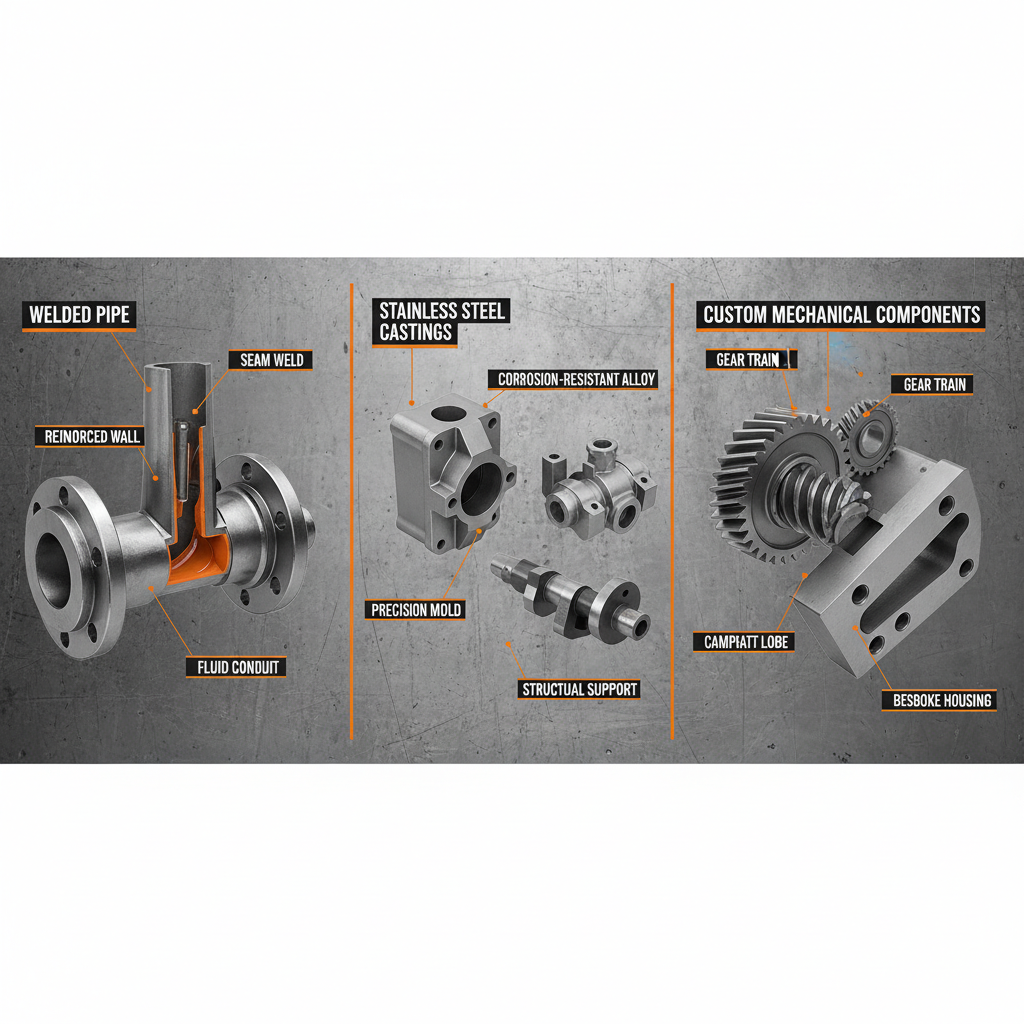
Different manufacturing processes are suited for creating various types of mechanical spare parts. CNC machining is highly precise and versatile, ideal for complex geometries and tight tolerances. Casting is cost-effective for high-volume production, particularly for intricate shapes. Forging offers superior strength and durability, making it suitable for critical components. Stamping is efficient for producing large quantities of thin-walled parts. Selecting the appropriate manufacturing process is crucial for optimizing cost, quality, and production time. Here’s a quick comparison:
Quality Control and Assurance in Manufacturing
Maintaining stringent quality control is paramount in mechanical spare parts manufacturing. This involves a series of inspections at each stage of the process, from raw material verification to final product testing. Techniques like dimensional analysis, non-destructive testing (NDT), and material hardness testing are commonly employed. Statistical Process Control (SPC) is used to monitor production processes and identify potential issues before they escalate. Effective quality assurance ensures that parts meet specified standards and perform reliably in their intended applications. HMIE CMSP implements a robust quality management system to guarantee consistently high-quality products.
Trends and Future of Mechanical Spare Parts Manufacturing
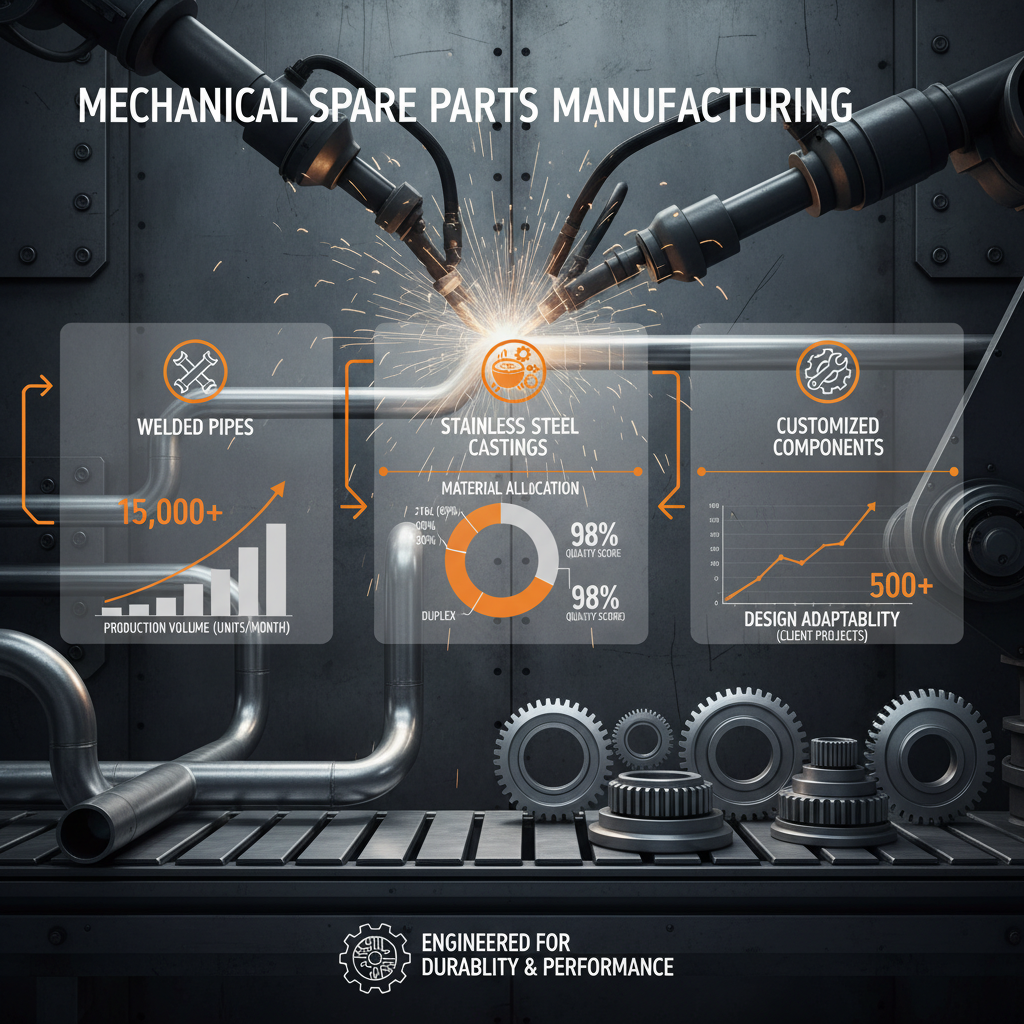
The industry is undergoing significant transformations driven by technological advancements. Additive manufacturing (3D printing) is gaining traction for prototyping and producing complex geometries. Automation and robotics are increasing efficiency and reducing labor costs. Digital twins are being used to simulate and optimize manufacturing processes. Furthermore, the demand for sustainable manufacturing practices is growing, leading to the adoption of eco-friendly materials and energy-efficient processes. HMIE CMSP is committed to embracing these innovations to deliver cutting-edge solutions to our clients.
Conclusion: Partnering for Reliable Mechanical Spare Parts
Choosing the right partner for mechanical spare parts manufacturing is critical for success. HMIE CMSP offers a comprehensive suite of services, from design and prototyping to full-scale production and quality control. With a commitment to innovation, quality, and customer satisfaction, we are dedicated to providing reliable and cost-effective solutions for all your mechanical spare parts needs. Don’t settle for less – choose HMIE CMSP.
Frequently Asked Questions (FAQs)
What are the typical lead times for custom mechanical spare parts?
Lead times vary depending on the complexity of the part, the material used, the manufacturing process, and the order quantity. Generally, for standard parts, lead times can range from 2-4 weeks. For custom-designed parts, it can take 6-12 weeks, including design verification, tooling, and production. HMIE CMSP strives to provide accurate lead time estimates and expedite production whenever possible while maintaining quality standards. We offer project management services to keep you informed throughout the entire process.
Do you offer reverse engineering services?
Yes, HMIE CMSP provides comprehensive reverse engineering services. We can accurately replicate existing parts based on samples or drawings. Using advanced 3D scanning and CAD/CAM technologies, we create precise digital models to facilitate manufacturing. This is particularly useful when original documentation is unavailable or obsolete. Reverse engineering allows us to create functional replacements or improve upon existing designs.
What industries do you serve?
We serve a diverse range of industries, including automotive, aerospace, oil and gas, medical, industrial machinery, and more. Our capabilities extend to manufacturing spare parts for various applications, from heavy-duty equipment to precision instruments. HMIE CMSP is equipped to handle the unique requirements of each industry, adhering to relevant standards and regulations.
What quality certifications do you hold?
HMIE CMSP is committed to maintaining the highest quality standards. We are ISO 9001 certified, demonstrating our dedication to quality management systems. We also adhere to industry-specific standards and regulations as required by our clients. Our quality control processes are rigorously monitored to ensure consistent product quality and customer satisfaction.