





Comprehensive Guide to High Precision Mechanical Component Manufacturing Processes
Mechanical Component Manufacturing: A Comprehensive Guide
In today’s global marketplace, the demand for high-precision mechanical component manufacturing is constantly growing. From automotive and aerospace to medical devices and consumer electronics, reliable and expertly crafted components are the foundation of successful products. This article will delve into the intricacies of this field, exploring key processes, materials, quality control, and the benefits of partnering with an experienced manufacturer like HMIE CMSP. Understanding the nuances of mechanical component manufacturing is critical for businesses seeking a competitive edge.
What is Mechanical Component Manufacturing?
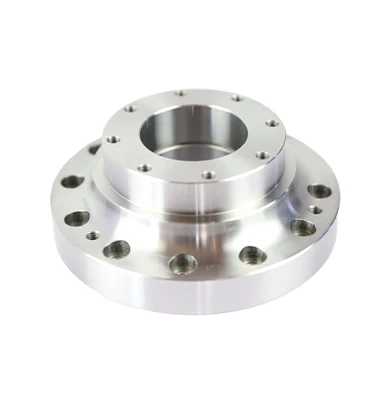
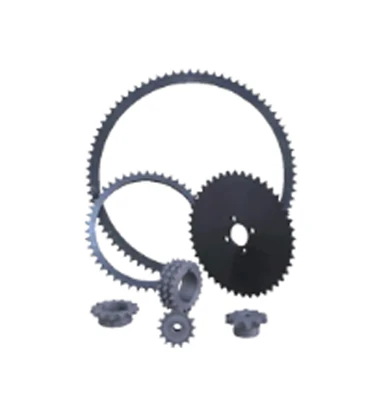
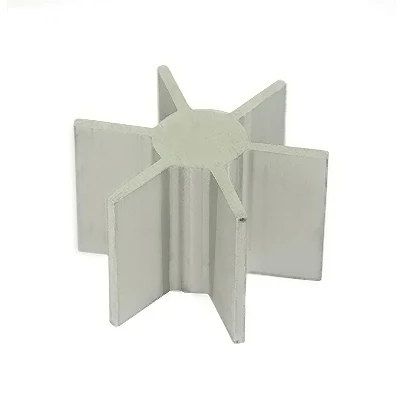
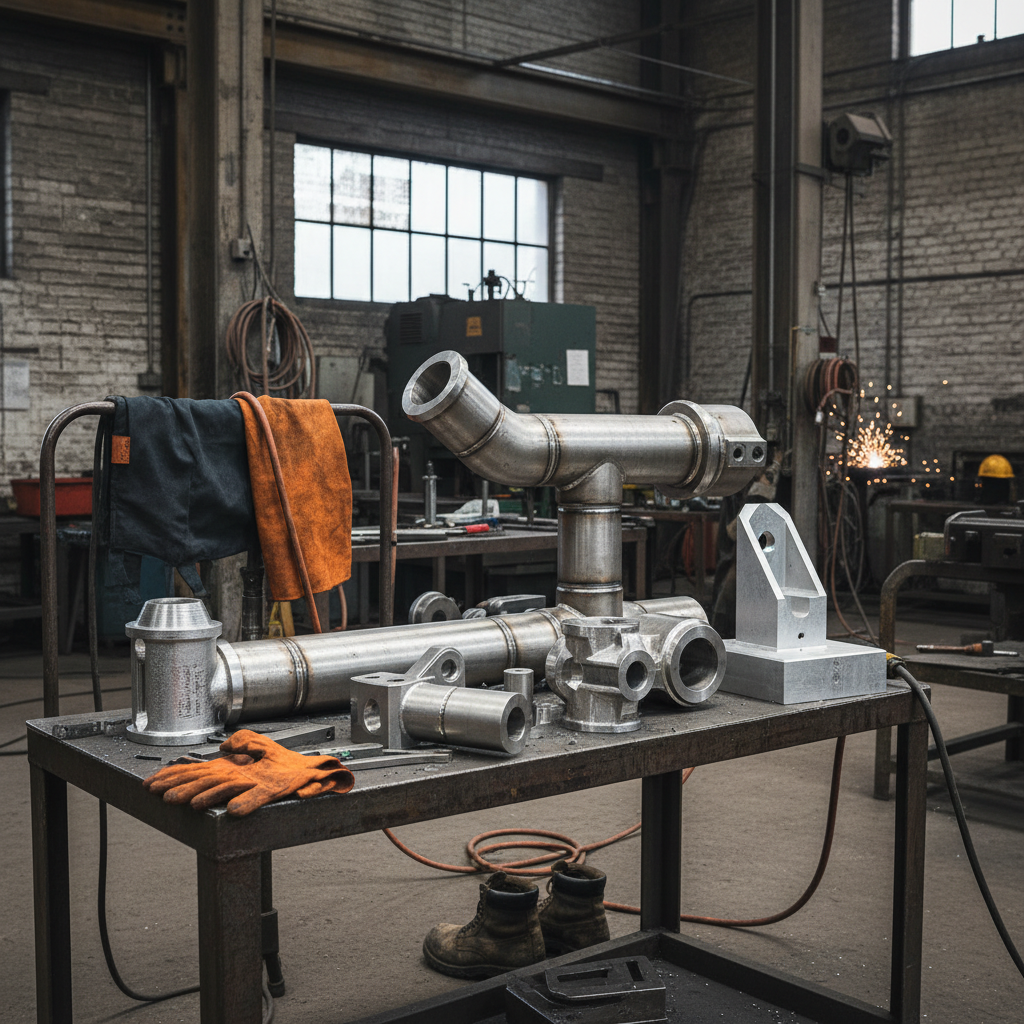
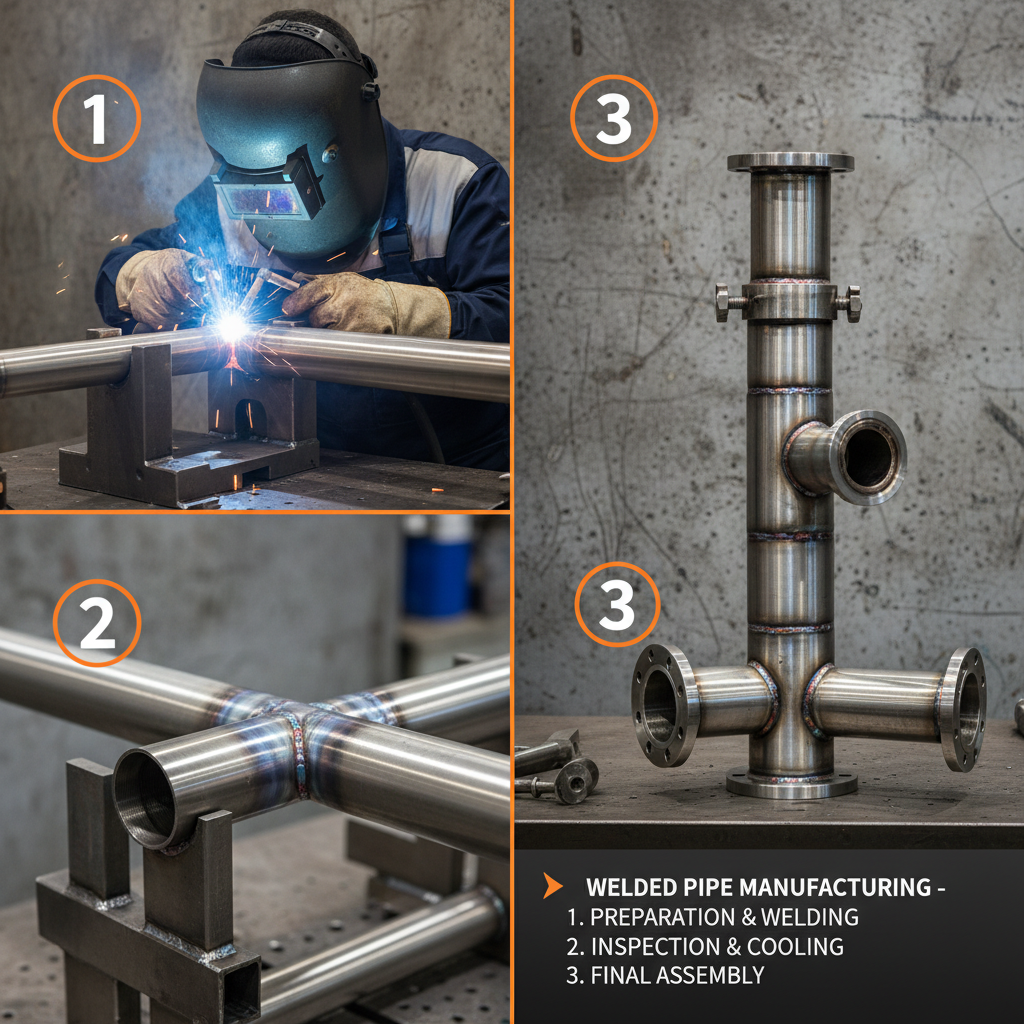
Mechanical component manufacturing encompasses a wide range of processes used to create parts and assemblies that perform mechanical functions. These components are the building blocks of larger machines and systems. The processes involved can include machining (CNC milling, turning, drilling), casting, forging, stamping, and more. The selection of the appropriate process depends on factors such as material, component geometry, production volume, and required precision. A core focus is on ensuring dimensional accuracy, surface finish, and material integrity to meet stringent engineering specifications. The goal is to reliably produce parts that function as intended, contributing to the overall performance and longevity of the final product.
Key Manufacturing Processes for Mechanical Components
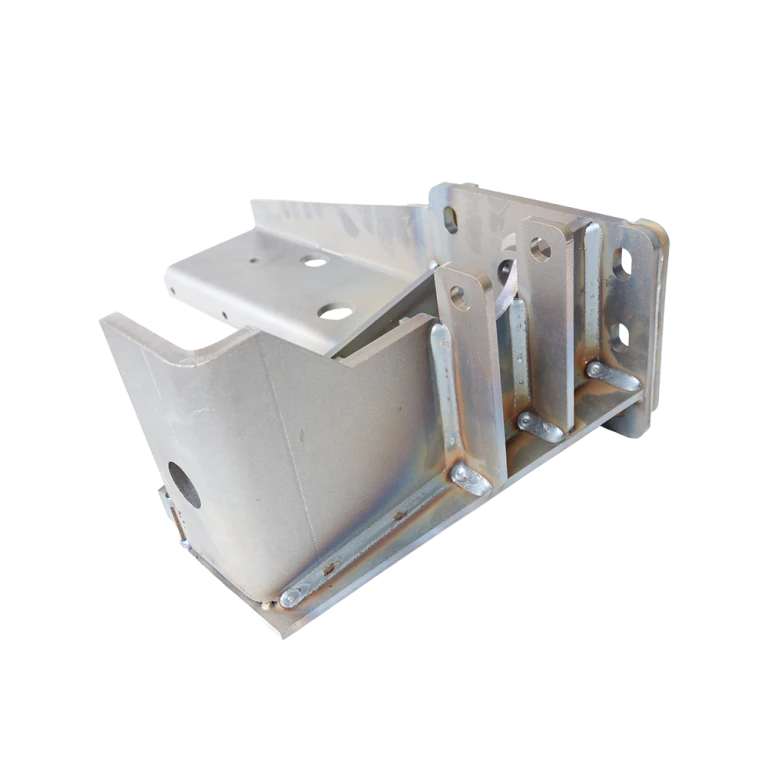
Several key manufacturing processes are widely utilized for mechanical component manufacturing. CNC machining is a dominant technique, offering high precision and versatility for creating complex shapes. Casting (investment casting, sand casting) is suitable for producing parts with intricate designs, while forging offers superior strength and durability. Sheet metal stamping is ideal for high-volume production of thin-walled components. Each process has its advantages and disadvantages concerning cost, lead time, and material limitations. Choosing the right process is crucial for optimizing efficiency and quality. HMIE CMSP leverages a diverse range of capabilities to provide tailored solutions for a wide variety of component requirements.
Materials Commonly Used in Mechanical Component Manufacturing
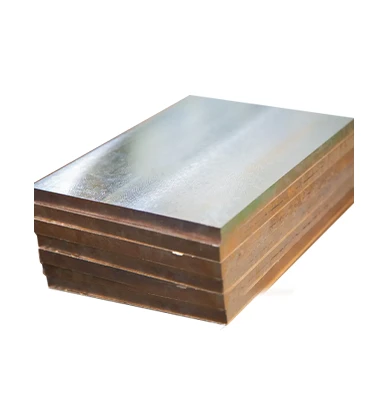
The selection of materials is paramount in mechanical component manufacturing. Common materials include various grades of steel (carbon steel, stainless steel, alloy steel), aluminum alloys, titanium alloys, brass, and plastics. The choice depends on the component’s intended application, operating environment, and required properties like strength, corrosion resistance, and weight. For instance, aerospace components often require high-strength, lightweight titanium alloys, while medical devices may necessitate biocompatible stainless steel. HMIE CMSP works with a broad spectrum of materials, ensuring we can meet the diverse needs of our clients.
Quality Control in Mechanical Component Manufacturing
Rigorous quality control is essential throughout the mechanical component manufacturing process. This includes dimensional inspection using coordinate measuring machines (CMMs), non-destructive testing (NDT) methods such as radiography and ultrasonic testing, material certification, and visual inspection. Statistical process control (SPC) is often implemented to monitor process stability and identify potential issues early on. Adherence to industry standards like ISO 9001 is crucial for ensuring consistent quality. HMIE CMSP is committed to maintaining the highest quality standards, utilizing advanced inspection techniques and a robust quality management system.
Comparing Manufacturing Processes: A Quick Reference
Different manufacturing processes excel in different scenarios. The table below provides a comparison of some common methods:
Conclusion: Partnering for Success in Mechanical Component Manufacturing
Selecting the right partner for mechanical component manufacturing is a critical decision. HMIE CMSP offers a comprehensive suite of services, from design assistance and material selection to precision manufacturing and rigorous quality control. We are committed to delivering high-quality components, on time, and within budget. Let us help you streamline your supply chain and achieve your manufacturing goals.
Frequently Asked Questions (FAQs)
What industries do you serve for mechanical component manufacturing?
We serve a diverse range of industries including automotive, aerospace, medical, industrial automation, electronics, and consumer products. Our expertise in various manufacturing processes and materials allows us to cater to the specific needs of each sector. We have experience producing components for everything from high-precision instruments to heavy-duty machinery. Whether you require small-batch prototypes or large-scale production runs, we can deliver tailored solutions.
What file formats do you accept for component designs?
We accept a wide range of file formats, including STEP, IGES, DXF, DWG, and SolidWorks files. We also work with 2D drawings in PDF or other standard formats. Our engineering team can assist with file conversion if needed. To ensure smooth processing and accurate manufacturing, we recommend providing designs in a neutral format like STEP or IGES.
What is your typical lead time for mechanical component manufacturing?
Lead times vary depending on the complexity of the component, the material used, the quantity ordered, and our current production schedule. For standard components, lead times can range from 2-4 weeks. More complex or custom parts may require longer lead times. We prioritize clear communication and strive to provide realistic delivery estimates. We also offer expedited services for urgent projects.
Do you offer design for manufacturability (DFM) services?
Yes, we do! Our experienced engineering team provides DFM services to optimize your component designs for efficient and cost-effective manufacturing. We analyze your designs to identify potential manufacturing challenges and suggest modifications to improve producibility, reduce costs, and enhance quality. This proactive approach can save you time and money in the long run.