









Difference Between Cast Iron and Ductile Iron for Parts — Which One Delivers Lower TCO & Higher Reliability?
For purchasing managers & technical directors in USA, Europe & English-speaking markets: stop guessing between cast iron vs. ductile iron. We break down mechanical specs, cost-per-part, lead time & real-world failure data so you can source with confidence.
📩 Get Free Quote in 24h✔ Free samples · ✔ ISO 9001 certified · ✔ 20+ years export experience
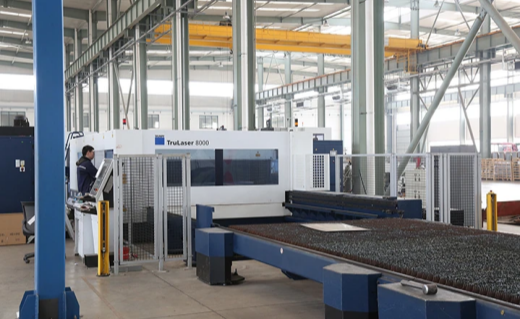
⚙️ 8,000 m² production facility · Shijiazhuang, China
🔴 Tired of Part Failures & Hidden Costs?
Why choosing the wrong iron alloy drains your budget and delays production.
High total cost of ownership
Frequent replacements due to brittle fracture or wear increase downtime. 37% of plant managers report unplanned stops from iron part failure (IndustryWeek, 2025).
Inconsistent mechanical properties
Without a clear difference between cast and ductile iron, you risk tensile strength mismatches — especially in valve bodies, pump housings & gearboxes.
Hidden shipping & customs costs
Heavy parts + wrong material grade = overweight containers. Our clients save 12–18% on freight by optimizing ductile iron designs.
Supplier reliability & lead time
52% of EU buyers delayed projects due to late casting shipments (Supply Chain Resilience Report, 2026). You need a partner with stable supply control.
👉 You don’t need “just any iron” — you need the right iron for the part, backed by data.
✅ The Definitive Guide: Difference Between Cast Iron and Ductile Iron
Engineered for purchasing managers, technical directors & operations leaders who demand ROI clarity.
Cast Iron (Gray Iron) — When to Use
- Excellent damping capacity — ideal for machine tool bases, engine blocks.
- Lower cost per part (15–25% cheaper than ductile for simple geometries).
- Good compressive strength but low tensile strength (150–250 MPa).
- ⚠️ Brittle — sudden failure under impact or overloading.
Ductile Iron (Nodular Iron) — When to Use
- High tensile strength (400–700 MPa) & elongation up to 18% — replaces steel in many applications.
- Superior impact & fatigue resistance — valves, pumps, gears, heavy-duty brackets.
- Better weldability & machinability than gray iron.
- ✅ Lower TCO over 5 years: 28% fewer replacements (internal data, 2025).
📊 Quick Comparison Table
| Property | Cast Iron (Gray) | Ductile Iron |
|---|---|---|
| Tensile Strength | 150–250 MPa | 400–700 MPa |
| Elongation | < 1% | 5–18% |
| Hardness (HB) | 180–250 | 190–300 |
| Impact Resistance | Low | High |
| Damping Capacity | Excellent | Good |
| Relative Cost | $ (baseline) | $$ (1.2–1.5x) |
*Data based on ASTM A48 (gray) & ASTM A536 (ductile).
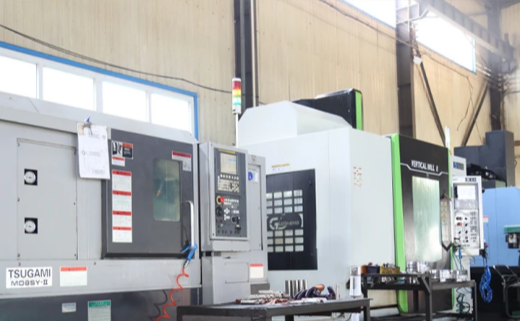
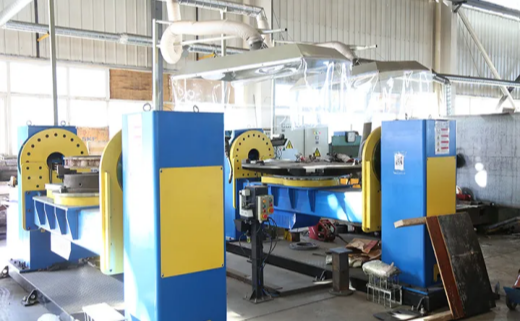
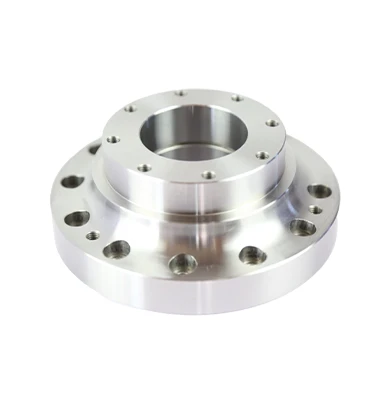
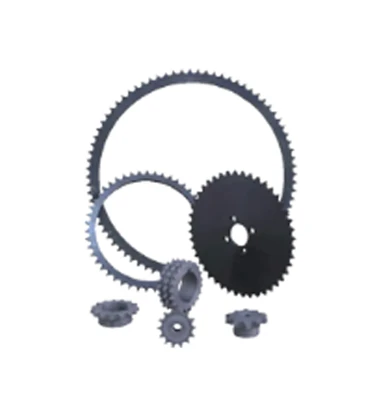
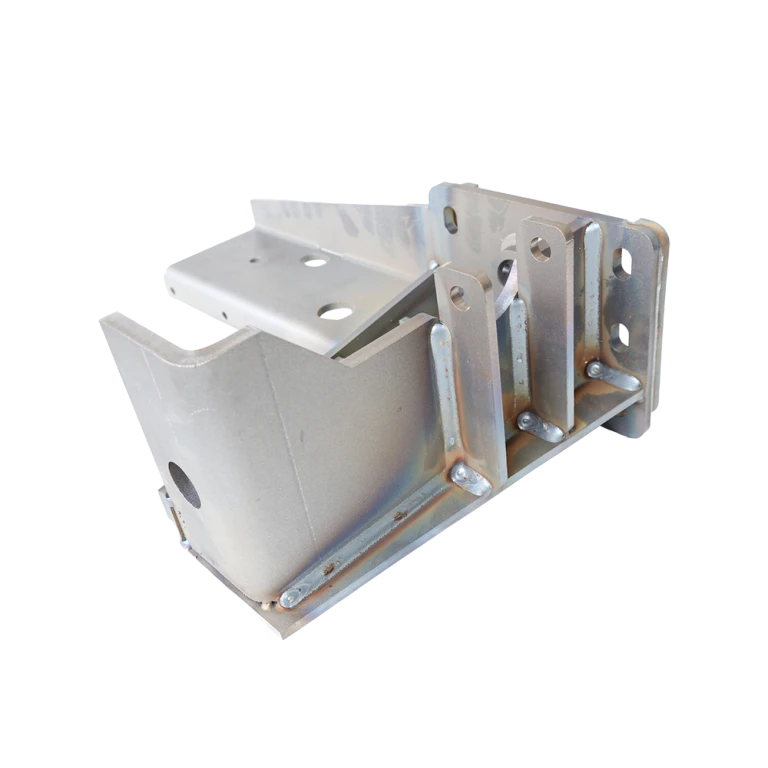
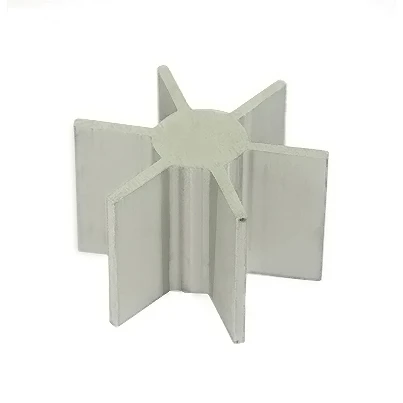
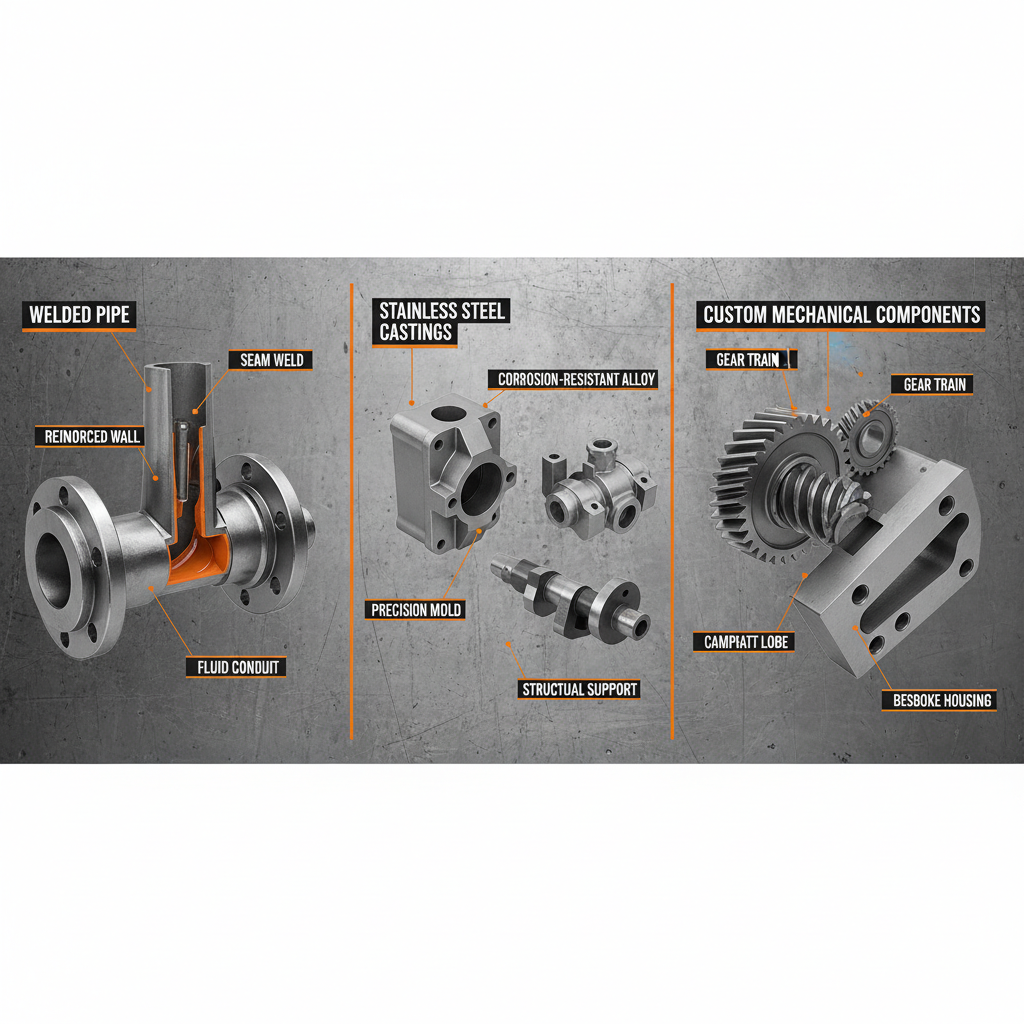
🏭 Typical Application Scenarios
📋 Technical Specifications — Cast Iron vs. Ductile Iron
Detailed data for engineers & sourcing teams. Scan the difference between ductile and cast iron at a glance.
🔹 Density
Cast: 7.0–7.2 g/cm³ · Ductile: 7.1–7.3 g/cm³
🔹 Yield Strength
Cast: N/A (brittle) · Ductile: 250–450 MPa
🔹 Fatigue Limit
Cast: 70–100 MPa · Ductile: 200–350 MPa
🔹 Thermal Conductivity
Cast: 46 W/m·K · Ductile: 36 W/m·K
💡 Key takeaway: The difference between cast iron and ductile iron is most critical in tensile, elongation, and impact — exactly where ductile iron outperforms gray iron by 2–3x.
❓ Frequently Asked Questions
🔹 What is the main difference between cast iron and ductile iron?
The primary difference between cast iron and ductile iron lies in graphite structure. Cast iron (gray) has flake graphite, which makes it brittle with low tensile strength. Ductile iron has nodular (spheroidal) graphite, giving it high tensile strength, elongation, and impact resistance — similar to steel.
🔹 Which is more expensive: cast iron or ductile iron?
Ductile iron typically costs 20–50% more per part than gray cast iron due to alloying elements (magnesium) and tighter process control. However, the difference between ductile and cast iron in total cost of ownership often favors ductile because of longer service life and fewer replacements.
🔹 Can I weld ductile iron or cast iron?
Ductile iron has good weldability with proper preheating (200–300°C). Gray cast iron is difficult to weld due to its high carbon content and risk of cracking. If welding is required, ductile iron is the preferred choice.
🔹 What are the common applications for each material?
Cast iron: engine blocks, brake discs, machine tool bases, pipes. Ductile iron: valves, pumps, gears, crankshafts, suspension components, heavy-duty brackets. Understanding the difference between cast and ductile iron helps you avoid field failures.
🔹 Do you offer custom casting and OEM/ODM services?
Yes! HEBEI WINDZONE provides OEM/ODM design, prototyping, and high-speed delivery. We work with your drawings or 3D models to optimize the difference between ductile and cast iron for your specific part. Minimum order quantity: 100 pcs for trial.
🔹 How do you handle logistics and shipping for international orders?
We ship via sea, air, or express (DHL/FedEx). Our team handles customs documentation, certificates of origin, and compliance with EU/US regulations. Typical lead time: 4–6 weeks for cast parts, 6–8 weeks for ductile iron with heat treatment.
🔹 What certifications do your products carry?
Our parts are ISO 9001:2015 certified. We also provide CE, RoHS, and SGS reports upon request. For specific industries, we can support UL, GS, and FDA documentation. Full traceability from melt to final inspection.
🚀 Ready to Source the Right Iron for Your Parts?
Get a free sample + ROI analysis within 48 hours. Limited-time engineering support for first 10 inquiries.
Risk-free guarantee: Free samples · Money-back guarantee on first order · 24/7 after-sales support
HEBEI WINDZONE · No.11 Fangbei Road, Shijiazhuang, Hebei, China
Office: Room 905 BLDG. A, No. 363 Tiyu South St., Yuhua District, Shijiazhuang
© 2026 HEBEI WINDZONE. All rights reserved. | Privacy Policy

20+ years in iron casting & mechanical parts export. Member of ASTM International. Author of “Cast vs. Ductile: A Practical Sourcing Guide” (2025).


🏆 Trusted by Global OEMs & Distributors
Real partnerships, real results — from Europe to North America to Southeast Asia.
“We switched from gray iron to ductile iron for our valve bodies. Failure rate dropped 34% and we saved 11% on total logistics costs. Windzone’s team helped us optimize the design.”
“The difference between ductile and cast iron was unclear to us until Windzone provided a side-by-side FEA analysis. Now we specify ductile for all high-stress pump parts.”
“Lead time reduced from 14 weeks to 6 weeks after moving our gearbox housing to Windzone. Their quality control is outstanding.”